The first rule of stormwater drain maintenance is to let the rainwater get on with it before it turns into an issue for you. By making it a habit to look over your gutters, downpipes, underground pipes, catch basins and drain grates you can do much to stave off flooding, water pooling and the kind of property damage that leads to costly emergency call-outs.
I am Aurelia Smith from Melbourne. As a writer I have little time for the sort of language found in a glossy brochure; I like my advice to be of use. There is nothing glamorous about a stormwater system but then again, no one relishes the sight of a summer downpour turning their backyard into a minor inland sea. Here I put forward what a homeowner can do of his own accord, when to put in a call to the professionals and what Australian homeowners are likely to be charged for drain maintenance. We also cover the reasons behind blocked drains.
Know Your Home Drainage System
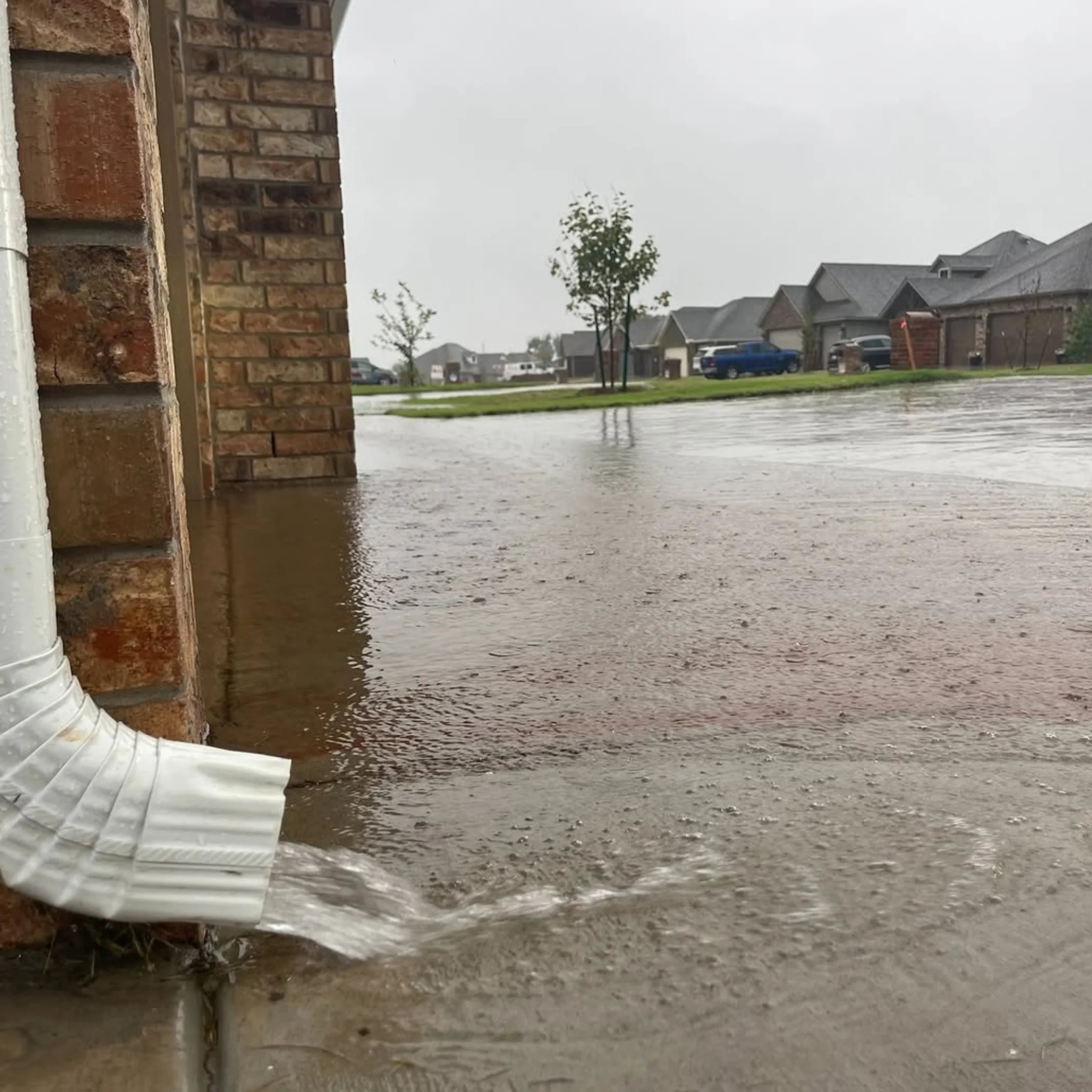
In most cases residential stormwater drains will take you in a line from the roof to the street or some other lawful discharge point, or to an area on site for drainage. If you know the path the water takes, spotting where it might back up or make an escape is part of good maintenance and preventing gutter overflows at home.
You will find a mix of surface channels, soakaways or overland flow on some properties, others are served by pit and pipe systems. The set up is dictated by the age of the building, the soil, the size of the block and which state or council area one is in.
Follow The Water Path
Go to the roof and trace the way rainwater comes down the gutter downpipe. Make note of any inspection openings, catch basins and drain grates in the vicinity and see where the pipe ends at ground level. A light rain is a good time to put this to the test and see if water is kept at bay from the foundations and walls.
To appreciate the significance of even a minor blockage, do the maths: 10mm of rain on a 100-sq-m roof equates to some 1,000 litres. All that water has to go somewhere and a tangle of leaves can put up an effective dam.
Responsibility And Rules
As a rule of thumb the local council will have public street drains and its own assets under management, but stormwater infrastructure on private land is the homeowner’s concern. Local rules, easements and the connection point will determine the line between the two.
Any new work or alterations to drainage connections are subject to conditions laid down by the National Construction Code, the state and the council. One should refer to the guidance from the Australian Building Codes Board for the latest on building matters. Standards Australia may have a say too, depending on the nature of the work.
Flooding Prevention
Then there is the matter of protecting the home. Proper maintenance of the stormwater drainage does more for the pipes than anything else; it keeps moisture from becoming a long-term annoyance at low points, around retaining walls, garages or footings.
It is also an early warning system. What appears to be nothing in dry weather, a gurgling pipe or wet patch of earth, can develop into a major blockage with the onset of the wet season or a hard hit of thunderstorm rain.
Nip Problems In The Bud
Grates and pits can be clogged by loose mulch, sediment and leaves. When the water slows down so does the material, and you have a dull cycle of diminished flow and increased sediment.
Tree roots are another matter. They will find their way into a poorly joined or cracked pipe if there is moisture to be had, leading to leaks or the displacement of the pipe. Put in a blockage removal and leave the pipe in poor repair and you can expect it to happen again.
Limiting Damage To Property
Allowing water to pool next to the house will see external walls, gardens and paving suffer. Erosion and dampness are the result of persistent moisture. It is not done to channel stormwater to an unsafe place, a building slab or over to the neighbour.
Make sure a drainage specialist or plumber has unimpeded access. Do not put garden equipment on a drainage pit or pave over a lid and trim back any plants at an inspection opening. An access cover left to be buried is just a headache in waiting.
Inspections And The Weather
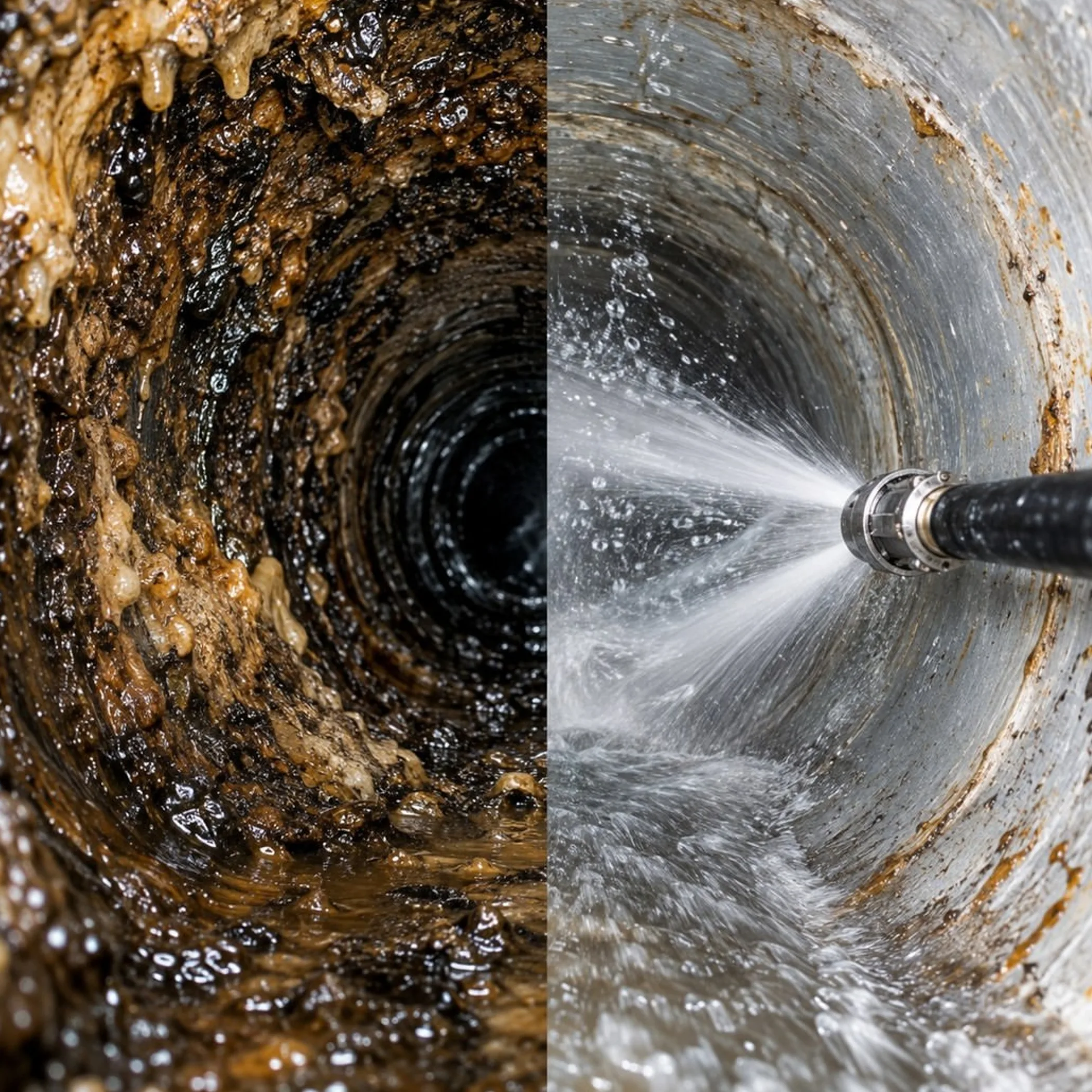
What works for a leafy place in Melbourne will not for a steep site in Brisbane or a cyclone zone in the Top End, nor a sandy block in Perth. There is no one size fits all. Twice a year is a sensible minimum for looking at what is in plain view, and you would be wise to add an inspection ahead of any forecast heavy rain or the start of the wet or cyclone season. If the property is home to mature trees, has had flooding in the past, or if one has put in recent building work and is seeing blockages come back, it is wise to have a professional stormwater drain inspection done at an earlier date.
A Seasonal Routine
Autumn should see leaves taken out of the grates, downpipes and gutters. Up north before the wet season sets in, one would do well to look over the discharge points, surface channels and pits. In northern Australia planning is often dictated by cyclone alerts from November through to April, so basic checks are not something to put off until a warning is on the books.
Where bushfire is a risk, dry leaves and like debris about drainage openings need to be dealt with in the course of preparing the property. And when the weather turns, there is no substitute for safety: do not go into floodwater or up on a roof to make an inspection.
When To Escalate
Routine care will suffice for a drain that is easily put right with a little cleaning. But a closer examination is called for if a drain gurgles, has a foul odour, backs up or overflows time and again. Many overlook the fact that repetition is telling.
With CCTV one can find root intrusion, pipe joints, collapsed sections or cracks without having to dig up the garden. High-pressure water jetting is good for getting at intractable sediment and organic matter, provided the operator has an appreciation of what he is dealing with in terms of the condition of the pipe.
Common Blockage Causes

There is seldom any mystery as to why a stormwater drain is blocked. It is usually because of a discharge point that cannot handle the flow, material making its way in, a lack of fall or some damage to the pipes. A bucket of water might tell you a surface grate is slow but it is no way to diagnose a crushed pipe underground; optimism has its price.
Debris At The Source
Roof grit, sediment, twigs and leaves will clog a stormwater drain. Add to that concrete slurry and offcuts from a construction site, or soil and mulch from a garden reno and the surface drains will be affected. Make sure the guard on a downpipe or the opening of a grate does not impede the flow. A guard left unattended and full of leaves is more of a maintenance headache than none at all.
Structural Damage
Underground systems can be compromised by ground movement, the weight of vehicles, bad installation or simply age. Tree roots are a problem for stormwater pipes where joints have separated or there are cracks. Sinkholes, subsidence by the pipe run, unexplained dampness and blockages in the same spot are indicators that a professional repair is warranted instead of yet another surface clean.
Home Checklist
The following is for the safe and visible side of stormwater drain upkeep. It is not a stand in for a proper inspection of a fault that is persistent, hazardous or below ground.
- Make sure drain covers are not buried, loose or cracked and sit firm.
- Clear catch basins, grates, downpipe openings and the gutters of any debris.
- See if there is pooling of water near the garage, paths, walls or any retaining structure.
- Visible pipes should be checked for sagging, breaks, leaks or anything out of the ordinary.
- Downpipes must be discharging to the correct or lawful point.
- Trim vegetation away from inspection openings without damaging pipes or covers.
- Put a little clean water to the test to check the flow, but not in a flood.
- Photograph and note the date and conditions of any recurring issue.
Tradespeople require access to their work area. If a contractor is to be inspecting a side passage then put away the bins and stored items ahead of time. On a busy suburban street or in a Melbourne laneway one should enquire as to where the service vehicle can put in safely, the crew will want space for the hoses and equipment.
DIY Tasks
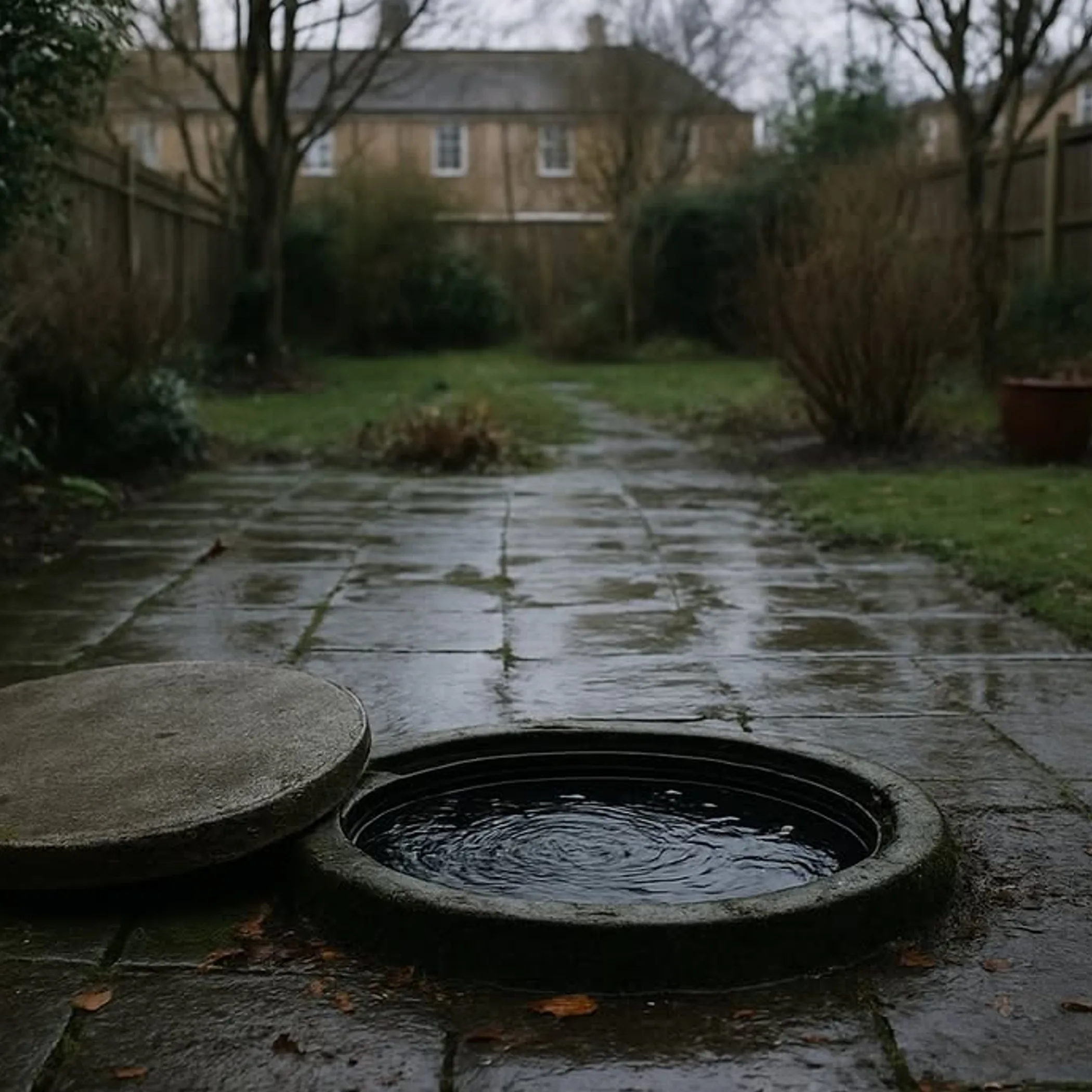
An astute homeowner can do some simple cleaning of the stormwater drain to get at the obvious and improve access, there is no need to put on a display like one sees on a plumbing show to get at something hidden.
Sturdy shoes, eye protection and gloves are in order. Keep pets and children from open pits and wash up after coming in contact with the material. Under no circumstances enter a confined space, a stormwater pit or any standing water.
Restrictions in view
Hand or a scoop will do for the removal of loose material and leaves; put them in the bin, do not just wash them to another drain. A heavy or damaged grate is best left alone and a call made for assistance.
Provided there is no electrical hazard, sewage or flooding, a gentle flush of a downpipe outlet with clean water is fine. Should the water make quick work of backing up, seep from a joint or turn up where it ought not, desist.
Avoid Risky Shortcuts
Chemical drain cleaners have no place in stormwater systems. Aside from being a hazard to the next person to put his hand in the drain, they can do damage to the pipes and the waterways.
Refrain from using a pressure washer at random on a pipe you are not familiar with; an ageing system may have weak joints that will be exposed or further damaged by a high-pressure jet. Should a blockage reassert itself after you have done some basic clearing, put in a call to a licensed plumber or drainage specialist.
The Right Professional
When you have water in the house, a suspected underground problem or a recalcitrant blockage, a licensed plumber is the sensible option. For anything more involved such as difficult access, a CCTV investigation, major pipe work or site grading, a drainage specialist is of service. The same goes for any matter involving council connections, building work, easements or compliance. Be sure to get written scope, licence details and find out if there will be photographs or CCTV footage to go with it.
Urgent Signs
If a pit is running over near an electrical source, the driveway is subsiding, stormwater has made its way into a building or a cover has given way, do not delay in getting help. In the event of severe weather and moving water, keep your distance and ring emergency services should there be any danger. Public kerb inlets or other council assets are to be reported to the local council; one is not to be making repairs in the road or taking public drain covers off.
A Word to the Contractor
Before the visit, set out the facts: what has been attempted, the frequency of the problem and when it began and whether it is rain related. Point out any new landscaping, extensions or tree planting and mark where you think the pipes run. To make things easier for the contractor and avoid superfluous digging, focus on the lowest visible drain, where water has a habit of pooling and the area closest to the building.
Costs
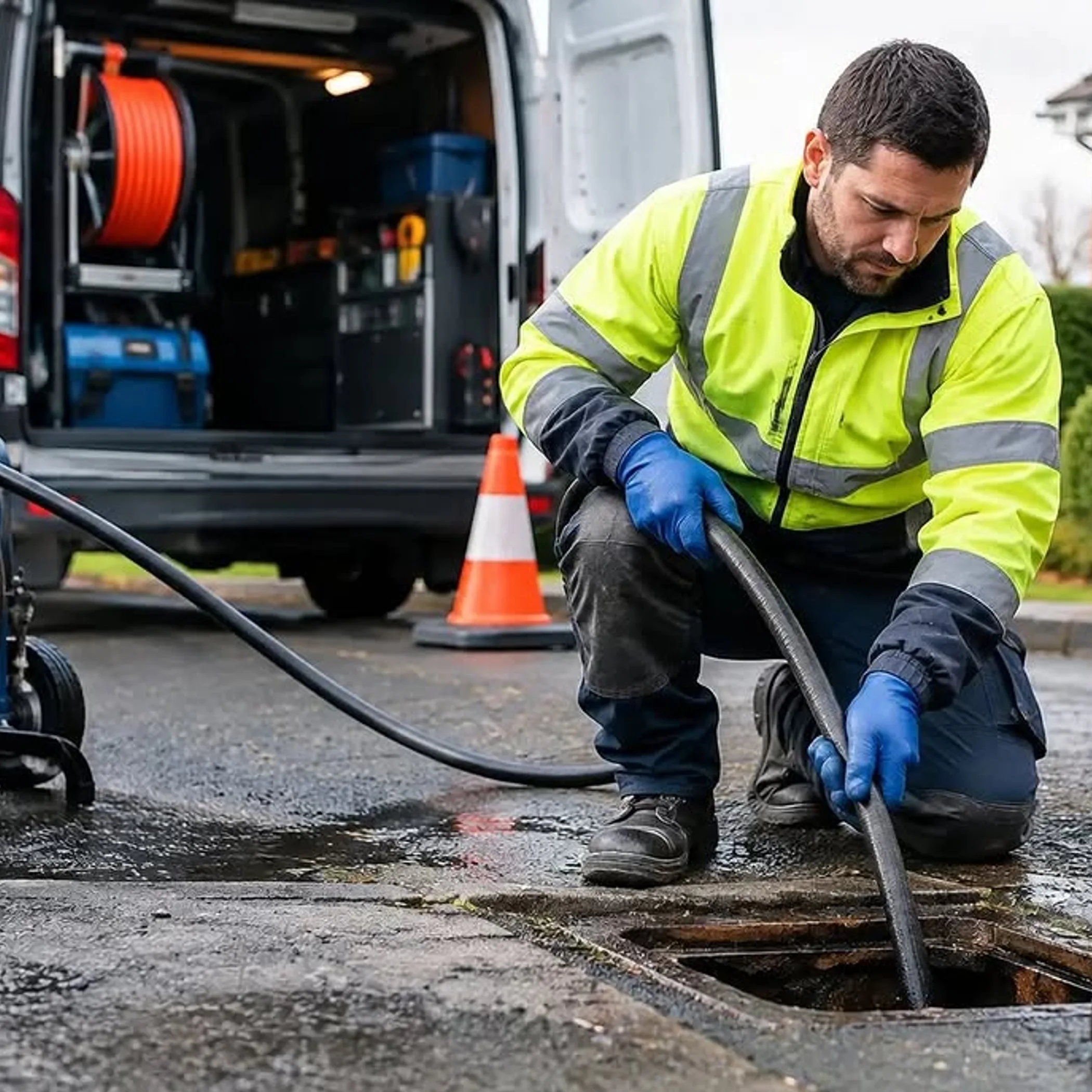
There is no set figure for what Australian homeowners will pay for drain maintenance; it is a question of the fault, the depth of the pipe, the equipment needed and how urgent it is. A surface clean is not in the same league as having to excavate and put right a stormwater drain. When booking, enquire as to what is covered in the quote: attendance, disposal, jetting, reinstatement, inspection and so on. Do not be surprised if an emergency job in the wake of a big storm runs up a higher bill due to the demand and difficulty of access.
| Service | Typical Scope | Main Price Factors |
|---|---|---|
| Visible cleaning | Gutters, downpipe openings, grates and pits within reach | Volume of debris, property size and access |
| Stormwater drain inspection | To check the flow, do a camera run or investigate | Equipment, length of pipe and access points |
| High-pressure water jetting | For sediment, roots and the like | How bad the blockage is, condition of the pipe and hose access |
| Stormwater drain repair | Excavation, replacement or repair of the pipe | Soil, tree roots, depth and the need to restore the surface |
Take the table as something to compare rather than a price list. Put in for a written quote on any planned work and see what the contractor’s position is should he come across an unsafe access point or a pipe that has collapsed.
Preventative Maintenance
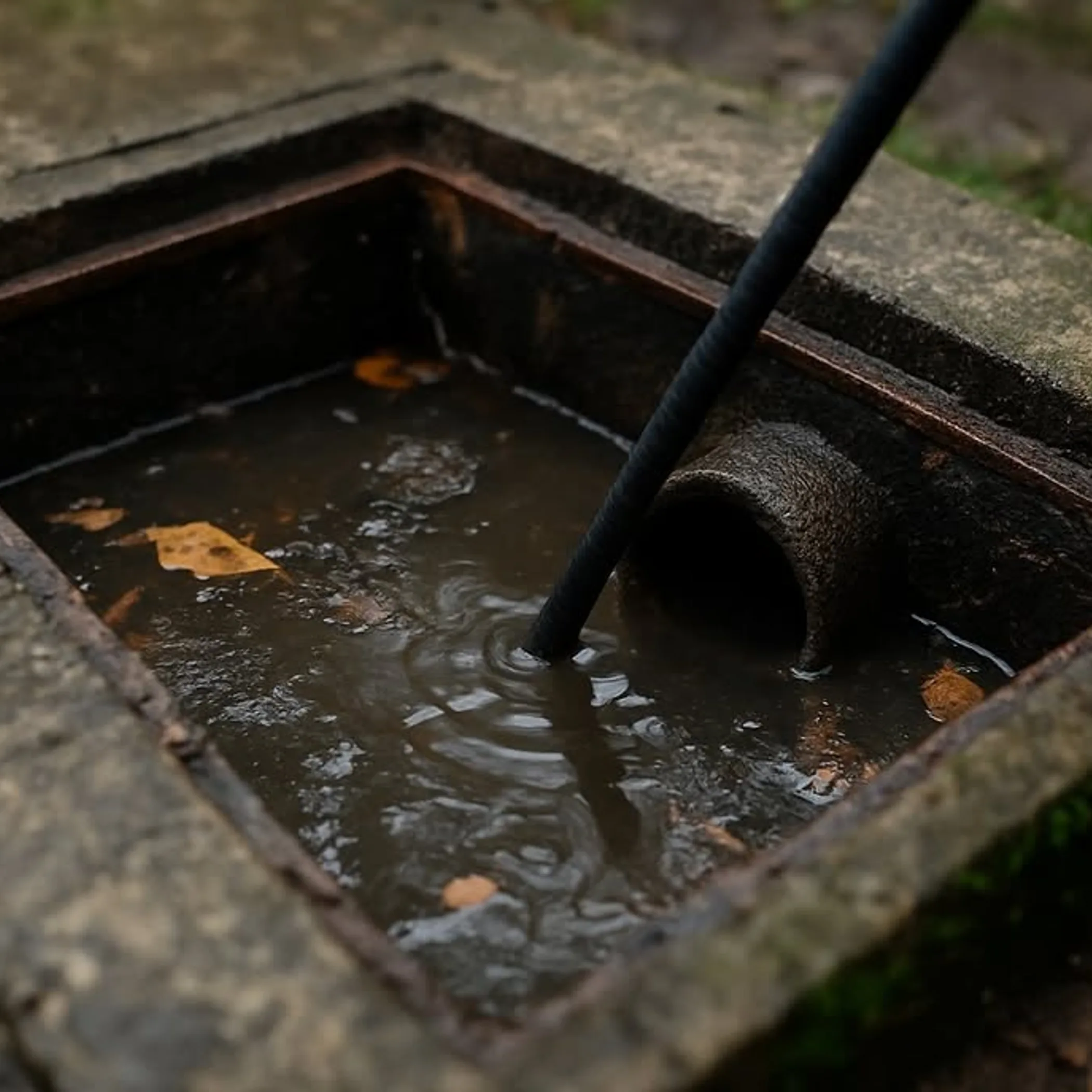
Make it a regular part of household routine, not a last minute scramble before a storm. If the property is at the foot of a slope or the trees are heavy shedders, put an inspection on the calendar. And have a word with neighbours if overland flow is going over boundaries in hard rain; you cannot redirect water to the detriment of another property and good maintenance will only do so much for a design flaw.
Expectation Versus Reality
One might think to clear the grate and the system is sorted. More often the opening is fine but you will find the pipe below is obstructed by a collapse, roots or sediment. One might assume that with the new landscaping in place, drainage will take care of itself. In fact, you will find that runoff is often re-routed by retaining walls, paving and raised garden beds. Make sure to check your discharge points and falls prior to putting any covers over existing access.
Maintenance rather than panic
There is no call for a professional to be on hand at all times for most homes; what is called for is some common sense in the way one observes things, keeps entryways clean and does not put off dealing with old problems. That is how one avoids an emergency bill come storm time.
If the aim is to stave off gutter overflows at home, there is a straightforward way to go about it: ensure the roof drainage is unimpeded, give the downpipes a look before any heavy rain and see that water can get away from the building in an unobstructed and lawful manner.
Stormwater Maintenance Questions Answered
Before one puts a ladder up or has a contractor on the books, these are the questions to consider. While the answers below are practical enough, the right course of action can be dictated by council rules and the like.
How Often Should Stormwater Drains Be Cleaned In Australia?
Twice a year is the minimum for a visual inspection of components and to clear them of debris. Put in some extra checks ahead of the wet or cyclone season or if the forecast is for hard rain. More of a hand may be required where there have been past flooding or large trees on the property.
Who Is Responsible For Stormwater Drains On Private Property?
As a rule the owner is responsible for private pits, pipes, gutters and downpipes. Public assets are the local council’s concern but the demarcation is a matter of the connection and local regulations. When in doubt as to where one’s responsibility lies, get in touch with the council.
How Do You Unblock A Stormwater Drain?
Clear the grate or pit of any visible debris and see if the water runs as it should. If there is still a blockage, leave the chemical cleaners alone. Let a licensed plumber or drainage specialist put in the proper equipment, be it high-pressure jetting or a CCTV inspection.
How Much Does Stormwater Drain Cleaning Cost In Australia?
You will not find a national going rate. It is a function of pipe length, the state of the debris, the equipment and access needed and any repairs. Get a quote in writing and make sure it breaks down the cost of excavation, surface reinstatement, jetting, cleaning and inspection.
What Causes Stormwater Drains To Overflow?
An overflow could be due to intense rain that is beyond what the system can handle, or tree roots, poor falls, undersized or broken pipes, sediment and blocked grates. The fact the grate is clean is no guarantee of the same for the pipe below.
Can Tree Roots Damage Stormwater Pipes?
They certainly can. Getting into a crack or a joint they will impede flow and compound the damage. Merely removing the roots on a regular basis is a stopgap measure if the pipe is not fixed.
Do Stormwater Drains Need Regular Maintenance?
Yes, to head off any damage or flooding. How often will be determined by the slope of the site, the soil, rainfall and the drainage system itself.
When Should You Call A Professional For A Blocked Stormwater Drain?
Under no circumstances should one wade in floodwater or enter a pit. Engage a professional if you suspect roots, the ground is subsiding, the work pertains to council infrastructure or the pipe is out of reach. And if the blockage is a recurring issue.
Keep Water Moving
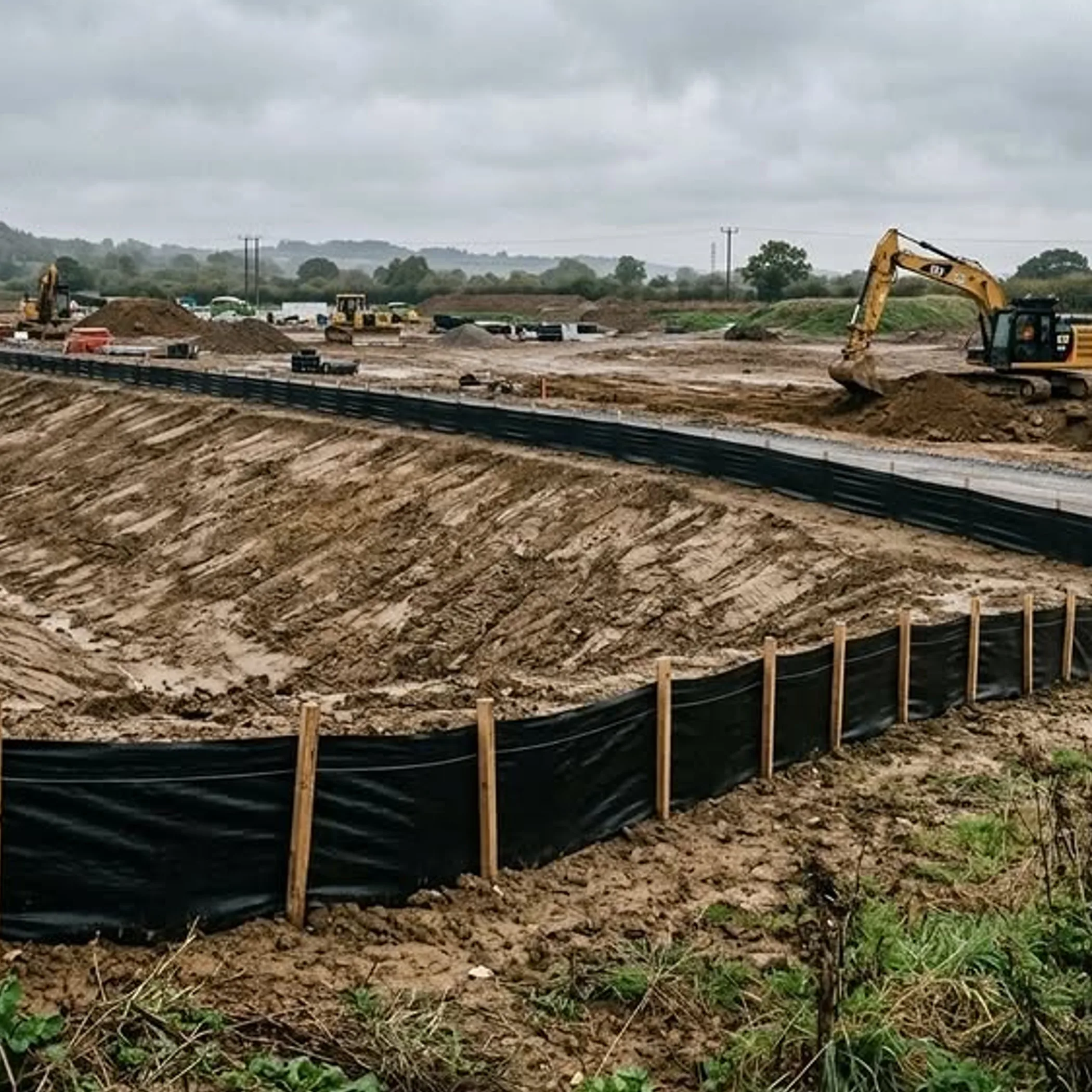
For the most part, maintaining stormwater drains in Australia is unremarkable work: protect the access points, check the flow and remove debris. Not as thrilling as having to do an emergency dig, which is why it is done.
Take this guide for what it is and adhere to what the local council stipulates. If the problem is persistent, unsafe or underground, a licensed plumber is in order. Then you can rest easy with a dry garage and a well run drainage system, a fair reward for a few sensible checks now and then.
