2026 regulations for working at heights in Australia oblige duty holders to put in place suitable equipment and make sure their workforce is competent and trained, as well as to identify any fall hazards and do away with or mitigate them. These obligations flow from the Work Health and Safety Act and WHS Regulations of the day, the codes of practice and any guidance the regulator in a given state or territory puts forward.
One will not find an across-the-board height limit in Australia that renders a task lawful or otherwise. While the 2-metre mark is much talked about in the context of high-risk construction work, the onus to prevent falls can be present at lower levels if there is an opening to step through, an edge to fall from, or dangerous equipment below. Aurelia Smith has put together this guide in no uncertain terms for the householder, the worker and the business to peruse before putting anyone up on a ladder.
What Changed For 2026?
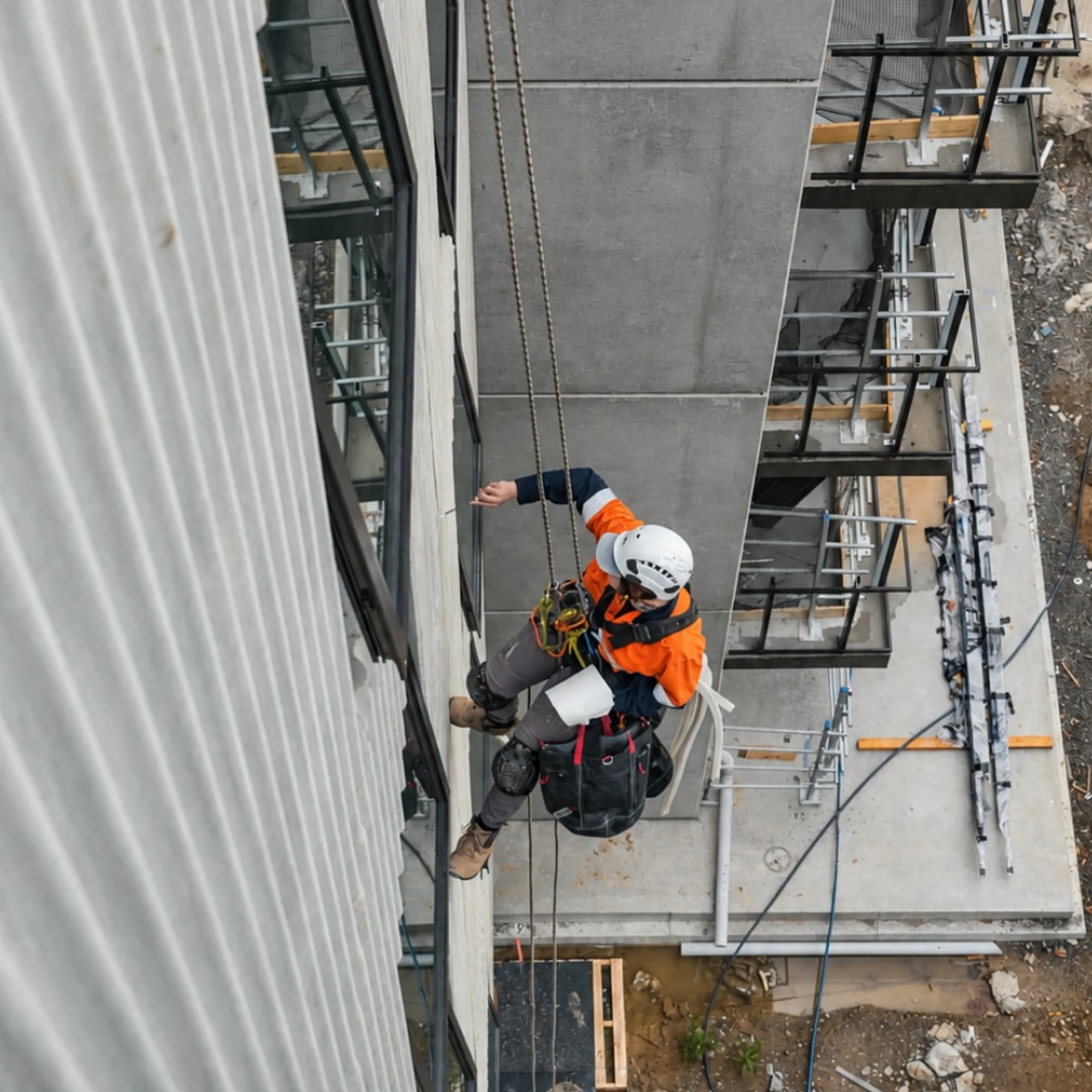
The law is still fundamentally risk-based. It is not a matter of fixating on one figure or sitting back until something happens; employers, PCBUs and other duty holders have to manage what is reasonably foreseeable, such as a fall from height.
Any compliance efforts ought to start with the local regulator. Safe Work Australia may set out the model WHS laws and national direction but every jurisdiction is free to administer or alter those laws as they see fit. In a suburban backyard a ladder is of little concern, but ladder use on home roofs next to an unguarded roof edge and you have a legal problem on your hands. There is more to plan for than the mozzies.
For a national view, Safe Work Australia’s working-at-heights guidance is hard to beat, though for any given job one should check with the state or territory regulator first rather than depend on a summary.
Defining Height Work
If there is a possibility of harm from a fall between levels, it is considered work at heights. The hazard could be a mezzanine, scaffold, platform, roof, trench edge, an open penetration or a fragile surface.
The legislation is concerned with the hazard of falling, not merely how high the work area is. Land on concrete, some reinforcing steel or a sharp object from under 2 metres and the injury can be severe. Then there is the danger of overreaching or moving between levels.
Fall Hazards To Expect
You will come across unprotected edges, skylights, brittle roofing, floor openings, ladders not properly put in place and things being dropped from above. Add in wind, heat, glare or fatigue and a routine task is no longer safe.
Roof conditions can turn in a hurry with the wet season or a cyclone warning in northern WA or the Top End. Down in the south-east you have to factor in the summer heat, strong winds and bushfire closures when it comes to outdoor work and emergency plans. The fact the job is of short duration is no excuse for shirking the legal duty.
On Whom Do Duties Fall?
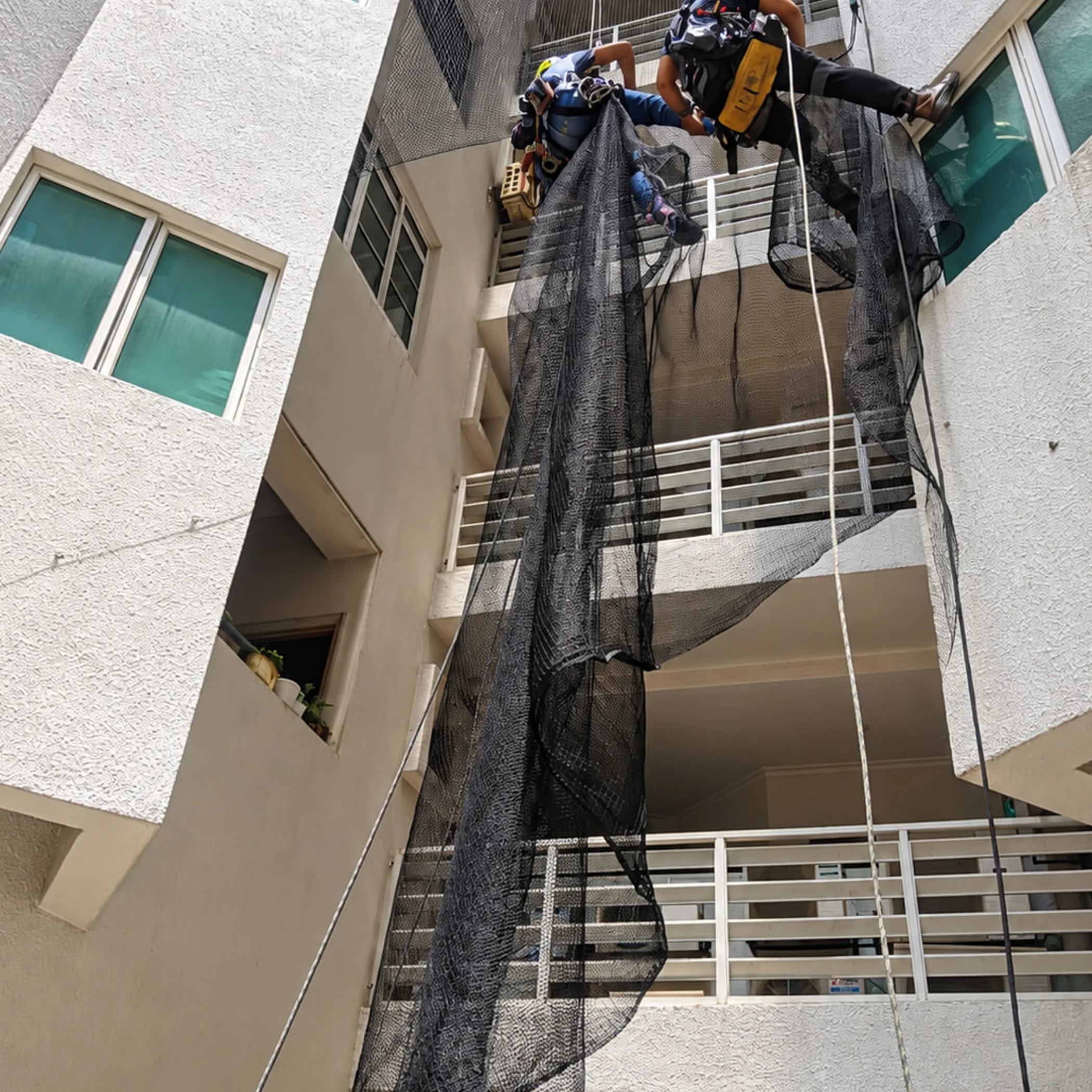
At any workplace there can be a number of people with duties. The PCBU will have the principal responsibility; be it a company, organisation, self-employed individual, employer or principal contractor. An officer has to show due diligence. Workers are expected to use their safety gear as they should and heed reasonable instruction. Designers, manufacturers, suppliers and property owners can have duties too, as can installers. They are not going to let you off the hook by abdicating to another.
A Checklist For Duty Holders
- Make a point of identifying all fall hazards, be it an edge, an opening, a fragile surface or the way in and out.
- Have a word with the workers and any contractors involved prior to commencing.
- Where it is practicable, opt for controls that preclude a fall.
- See that there is adequate maintenance, supervision, training and equipment.
- Revisit the controls if the weather or the method of work changes, or after an incident.
Paperwork is good for showing you are in compliance but it is no replacement for a guardrail or a work area that is being properly supervised.
The 2-Metre Rule
In model WHS laws, a person who might go over 2 metres is generally deemed to be engaged in high-risk construction work, which in turn can mean a safe work method statement is called for. But the rule is a trigger for certain obligations in construction, not a carte blanche to overlook a 1.9 metre drop, nor does it vouch for the safety of a 2-metre task. One will find a 3-metre threshold in the material of some states or in older guidance and industry procedures; do not be under the impression that this is in lieu of the WHS requirement that applies to your business.
In the case of construction, make sure you know if the work is high-risk, if there is a fall of over 2 metres to contend with and what additional rules the principal contractor has for the site. Where the work is not of a construction nature, let the risk assessment be your guide instead of making 2 metres a rule of thumb.
The Control Hierarchy
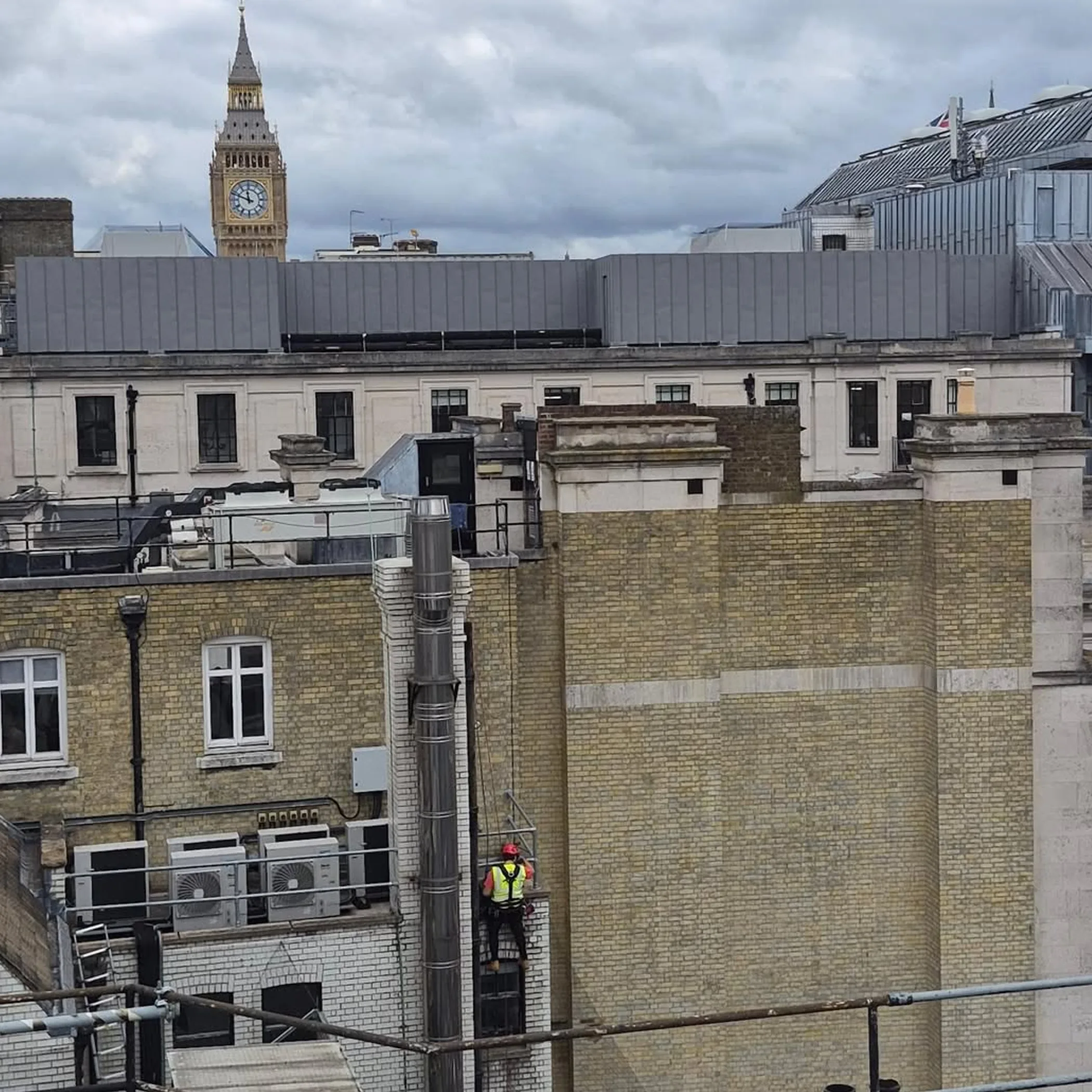
For fall prevention the hierarchy of controls offers a logical sequence. See first if work at height can be put aside. If it is unavoidable, put in place controls that do not have to depend on people behaving flawlessly.
While personal protective equipment is of some importance, a harness by itself will not stop a fall. Only with the right selection, fitting, inspection and a rescue plan in support will it mitigate the consequences.
Order of Controls
- Eliminate the need to work at height from the ground with an appropriate tool.
- Opt for a more secure physical set up, be it a permanent platform or prefabrication on the ground.
- Put engineering controls in position: guardrails, scaffolding, safety nets, edge protection or an elevating work platform as is suitable.
- Administrative measures like safe work procedures, weather checks, exclusion zones and proper sequencing are also controls.
- Should higher-order ones not be reasonably practicable, resort to travel restraint, work positioning or fall arrest systems.
The two are not one and the same. A travel restraint keeps a person from the edge of a fall; a fall arrest system does not, but will contain what follows. They call for anchor points, compatible gear, inspection and a means of rescue that is realistic.
A SWMS
Under the model WHS framework any high-risk construction work, including where a fall of more than 2 metres is a possibility, will generally call for a working at heights SWMS. This is no blanket permission slip. It has to be true to the site and should set out the hazards, the work, who is responsible and how the controls are to be put in place and then monitored and reviewed. Should the method of work or access equipment change, or the weather turn, a review of the document and the controls may be in order.
Planning for Risk and Rescue
Your risk assessment must take into account the full scope of the work area: fragile surfaces, overhead services, public access, falling objects, egress and access, equipment failure, the weather and the capabilities of the worker. And what happens if someone falls?
“Call emergency services” is not enough of a rescue plan. There has to be a plan with trained personnel, communication, first-aid response and access for responders, and the equipment and method for the rescue identified. Given the danger of being left suspended in a harness, this is something to have in place beforehand.
Check the State Rules
Australia has a national model for working at heights legislation but the regulators in each state and territory are the ones who enforce local laws. Expectations, licensing, notifications and codes of wording are not uniform. Verify the current situation in the location of the work.
What follows is a table to get you started, though it is no replacement for regulator advice or the law.
| Jurisdiction | What To Check Before Work |
|---|---|
| New South Wales | NSW WHS legislation and SafeWork NSW guidance, requirements for a site-specific SWMS and high-risk construction work. |
| Victoria | Duties under Victorian occupational health and safety, plant controls, construction requirements and guidance on the prevention of falls. |
| Queensland | Guidance from the regulator, high-risk work licensing, construction risk controls and Queensland WHS. |
| South Australia | Construction documentation, local WHS and the working at heights guidance from SafeWork SA. |
| Western Australia | WorkSafe WA and Western Australian WHS legislation, duties in construction and fall-prevention. |
An internet search for working at heights regulations in Victoria or NSW, or for SafeWork SA and WA legislation will turn up some good material, provided the page is up to date and relevant to the task. Do not forget Northern Territory, Tasmania and the ACT have their own requirements and regulators.
On Training and Competency
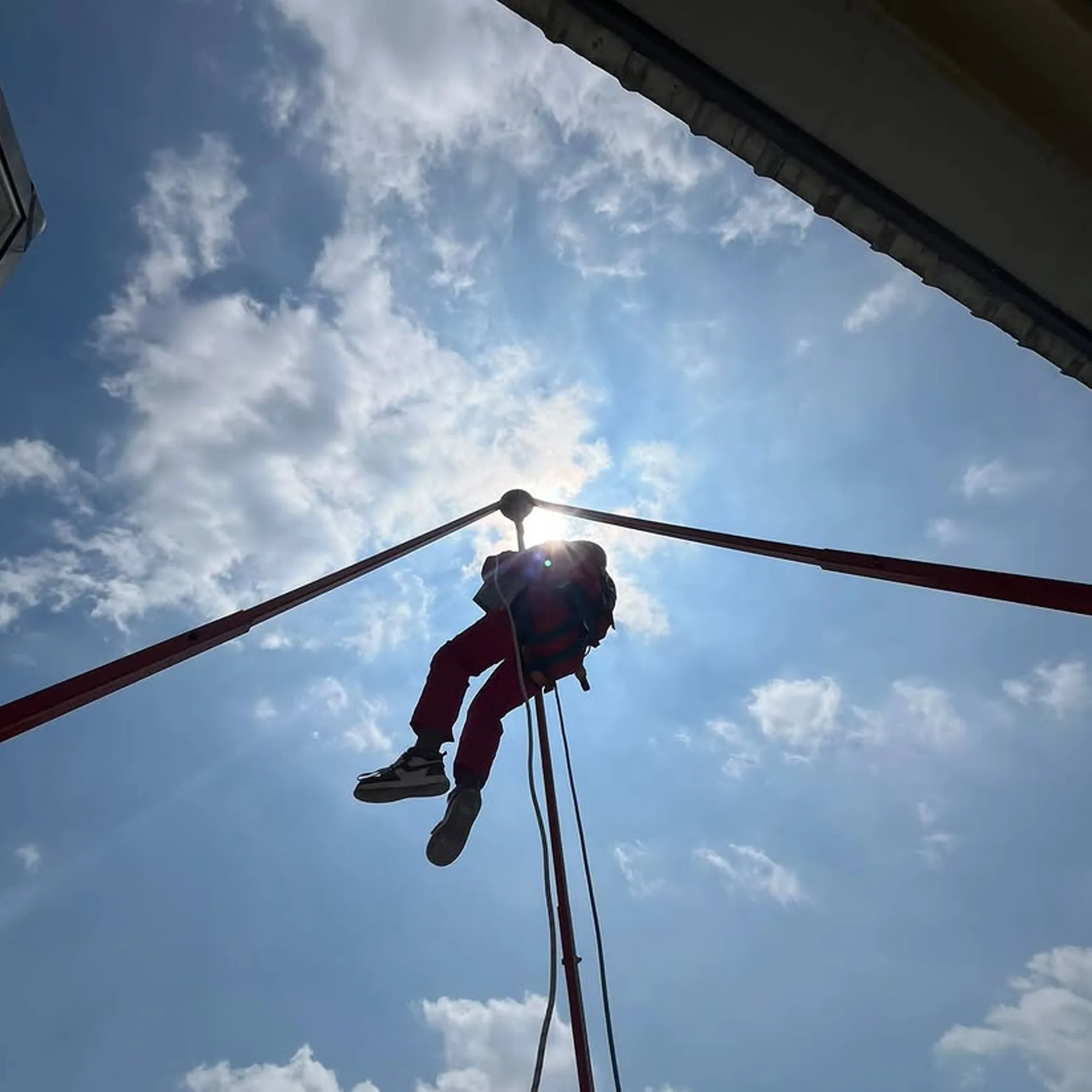
Do not think a certificate in working at heights training in Australia is a universal thing that renders a worker competent for all tasks. The training has to be commensurate with the hazards, the level of supervision, the method and the equipment.
There may be a need for instruction on the use of ladders, harnesses and anchor systems, on how to inspect them, on travel restraint and fall arrest and on what to do in an emergency. A licence is called for with certain plant or high-risk work. An online module of a general nature will not qualify a person to do a rescue or to look over a fragile roof.
What Competency Looks Like
A competent worker will be able to spot a hazard, put the right controls in place, inspect his equipment and adhere to procedure. He can also voice any concerns and act in an emergency. When assessing this, employers would do well to take into account such things as the individual’s experience, physical aptitude, literacy and language skills, as well as any need for supervision or refresher courses.
It is a common error to view training as something that is done once and then forgotten. One might be at ease on scaffolding but not up to the task of an elevating work platform; being able to don a harness does not mean one has the competence to judge if the anchor point is fit for purpose.
Roof Work Needs Extra Care
There are fall edges, materials that are fragile, the vagaries of the weather, awkward movement and the prospect of a difficult rescue all rolled into roof work. An older sheet may give way with little notice, skylights are not always easy to make out and metal roofing has a tendency to be slippery.
Safe access and egress must be put in order before work commences, as must the identification of any fragile spots and the securing of tools. Openings are to be protected, the edge controlled and unauthorised persons kept at bay. Do not be under the impression a roof is safe just because someone else has made it across without trouble. That is no evidence, only luck in work boots.
Ladders On Domestic Roofs
Using a ladder on a home roof calls for some thought as to its angle, footing, condition and how it is secured, not to mention the weather and what the job entails. Ladders are for light work of short duration or for access, not to be used as a standard platform for carrying bulky items or drilling.
In the case of a domestic repair, the prudent course is to hire a roofing contractor who is competent and has the access equipment to match. A homeowner should not be making do with a chair, an unsecured ladder or a wet roof. Should the work present a sizeable fall hazard or involve electrical services and the like, then leave it and get some expert counsel.
One-Day Compliance Plan
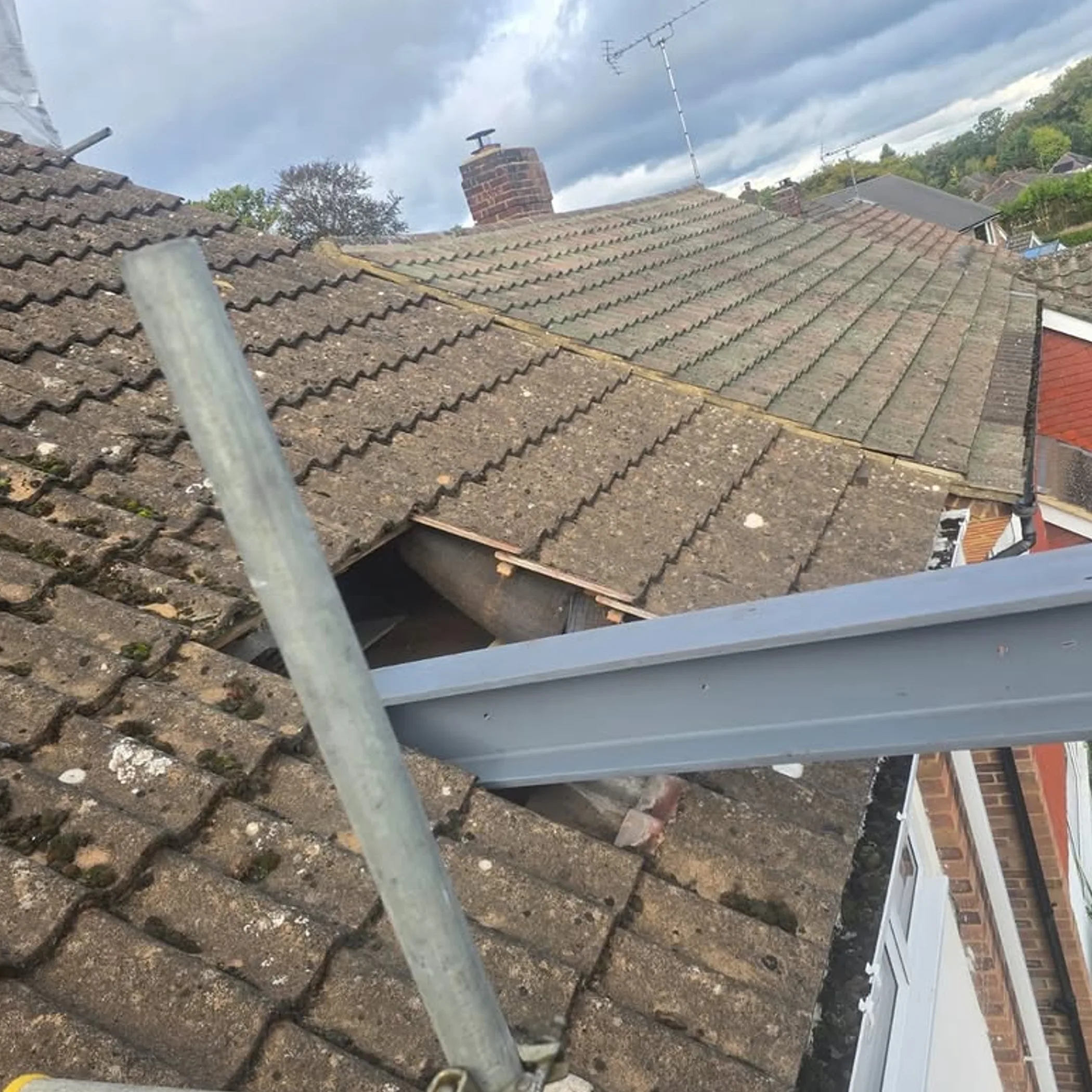
With only a day to go, put your efforts into the site walk-through and the rescue arrangements. There is no point in spending the morning putting the finishing touches to a SWMS when workers are still to be crossing an unprotected edge.
See to it that you have confirmed the location, the weather, the state of the roof, the distance of a potential fall, the exclusion zone and the competency of those doing the work. Brief the team and put any changes on record after inspecting the controls. If the resources on hand cannot make the work safe, either put it off or call in the people and equipment to do it by the book.
Who Should Avoid The Task?
Height work is not for the untrained, for children, for anyone under the influence of alcohol or drugs, or for those lacking the requisite physical ability or oversight. Nor should a person be cajoled into climbing a ladder if he is not comfortable with it. Confidence has its place but it is no substitute for a fall-arrest system.
Frequently Asked Questions
What Are The Legal Requirements For Working At Heights?
Duty holders are obliged to identify where the fall hazards are and to provide safe systems of work and suitable equipment, consulting with workers and seeing to their training and competence. Risks must be eliminated or minimised so far as is reasonably practicable. In construction, a possible fall in excess of 2 metres could make it high-risk work and bring SWMS obligations with it.
Which Two Places Are Not Usually Height Work?
You would not normally classify as working at heights any ordinary work on a level surface or within a fully enclosed space where there is no realistic danger of a fall. But the facts are what they are; an open edge or a low platform next to machinery can pose a risk even if it seems close to the ground.
Do You Need A Permit For Height Work?
There is no catch-all permit for every height task under Australian WHS law. Be that as it may, the site procedure, a building owner or principal contractor may call for one, or some other form of authorisation. Your WHS duties remain whether or not a permit is called for.
What Are The Main Do’s And Don’ts?
Assess the task and plan for rescue, use the hierarchy of controls and see that ladders and edges are secure. Stop if the conditions warrant it. For your part, do not treat the 2-metre mark as a guarantee of safety, work with damaged gear or think a harness means you can dispense with rescue planning.
Is A Harness Enough For Fall Protection?
Not on its own. It is a component of a system that requires a good anchor, proper fitting and inspection, as well as clearance and a rescue plan and the training to go with it. Where you can, give consideration to guardrails or another control of a higher order first.
Takeaway For Safer Work
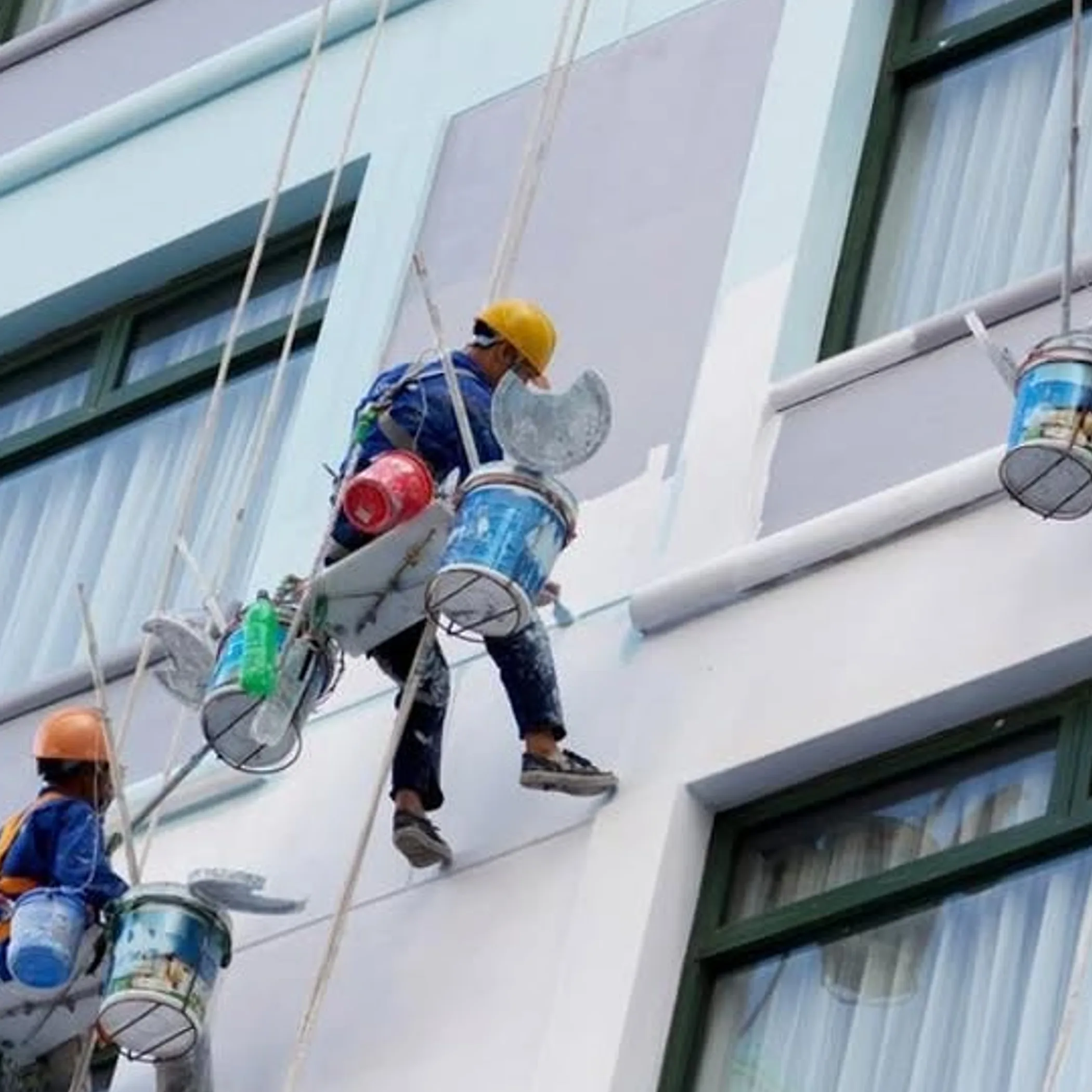
The 2026 regulations for working at heights in Australia come down to this: find the actual fall hazards and control them in the proper sequence, document it and have the right people and equipment. The 2-metre threshold is relevant but it does not give one carte blanche to overlook lower falls.
Before starting, look over the site requirements, regulator guidance and the WHS Act and Regulations. A bit of forethought in the form of a sound access and rescue plan will save you from a protracted recovery or an unpleasant visit to hospital, let alone a prosecution.
