For the most part, a Verdelho from the Hunter Valley is a dry white of the fruit-driven sort, with tropical notes, good acidity and a finish to refresh. Here in New South Wales one will find it has an approachability that puts it in competition with Chardonnay; expect rockmelon, guava, passionfruit and pineapple along with citrus, musk and a touch of spice.
Aurelia Smith here. I put pen to paper on the kind of small choices that improve your day. There is something of a conundrum in picking a wine when the label is full of talk of fortified styles, ABV, vintage and ageing. This guide is designed to put an end to that. You will be told what to make of a Hunter Valley Verdelho, if it is sweet or not, the cost of a bottle and who to look for among the producers, so there is no need to prowl the bottle shop as though you are a tourist without a map.
What is on offer from Hunter Valley Verdelho
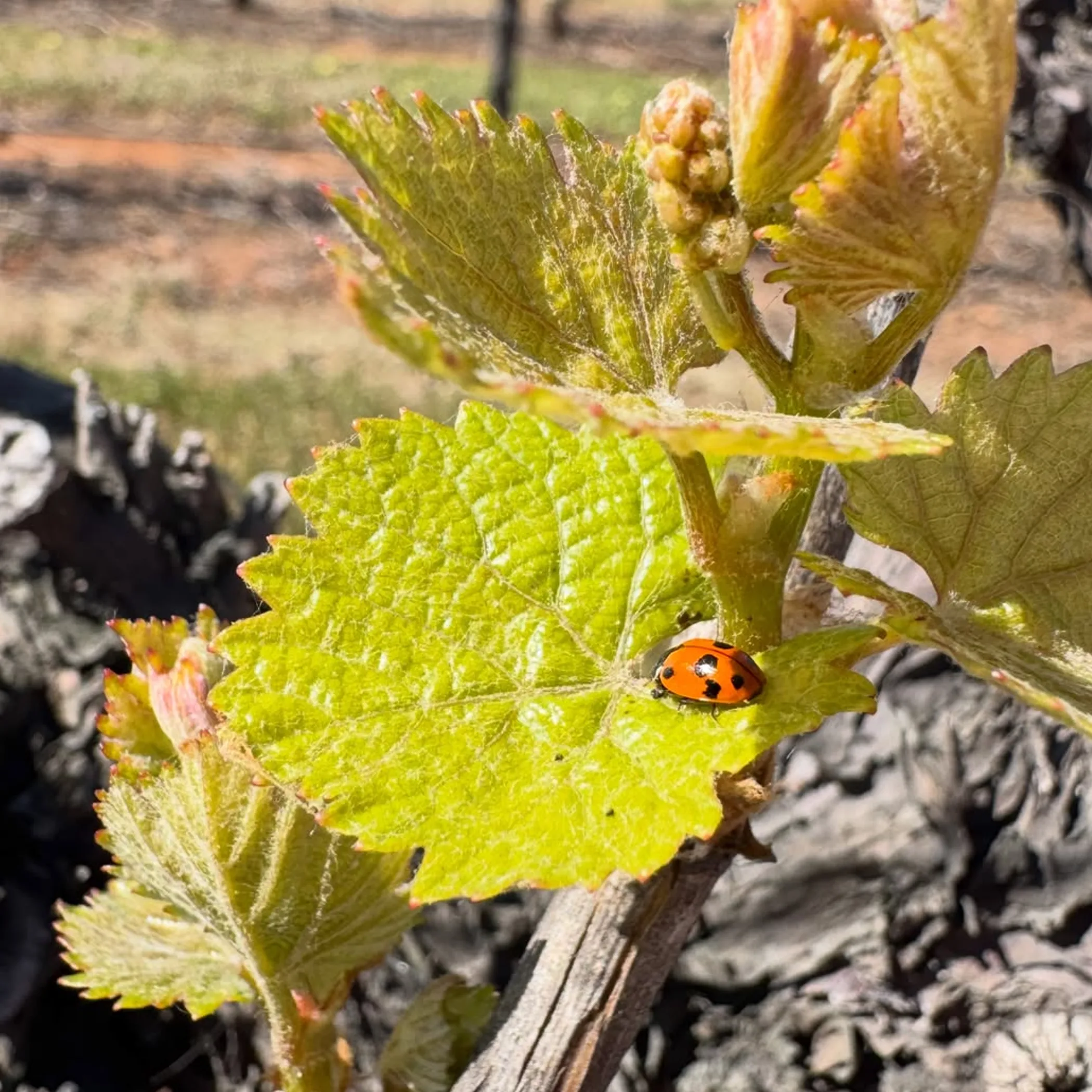
The grape is of Portuguese and Madeira origin, where the name is used for table and fortified wines alike. In Australia the norm is a fresh, still white, though you can come across a liqueur or fortified version. The climate of the Hunter Valley lends itself to ripe fruit in the glass but also useful acidity. That is important for balance; a wine should be full-bodied and generous and not leave you flat or syrupy after a glass or two.
Table wine in the Hunter
Still table wine is what most are after. Typically it is pale or straw in colour, unoaked or only lightly so, and more suited to being drunk while it is in its prime than put away in the cellar. The Hunter has a storied wine past and Verdelho is found in company with the likes of Semillon and Shiraz. It might not be afforded the same notoriety as the local Semillon but for those with a taste for an aromatic white it is a rounder, more forthright choice. For more detail, see verdelho hunter valley wine.
Bear in mind that retail ranges and labels have a way of changing. Before you commit to a purchase, see what the producer has to say and check the ABV and vintage, especially for a low-alcohol or very dry style.
The Taste of it
Fruit is the first thing you will encounter. With some vintages and winemaking hands there is lemon or grapefruit, guava, rockmelon and passionfruit. A hint of floral lift or subtle spice and musk may be present in some.
In texture it is broader than a lean Sauvignon Blanc which gives it the heft to handle a strongly flavoured dish. The fruit is sufficient for chilli and aromatic sauces, yet the acidity is there to make a clean finish.
A guide to flavour and texture
| Feature | What you may notice | How it presents in the glass |
|---|---|---|
| Aroma | Musk, citrus, guava, passionfruit and pineapple | Welcoming and aromatic |
| Body | Medium to full | Some weight to it, unlike a light white |
| Acidity | Ripe fruit rounds out the crispness | Good for the palate and for food |
| Oak | Lightly oaked or none at all | The fruit is what it is about |
| Typical ABV | 11.5% to 13.5% is common | Varies, so check the bottle |
| Finish | Fruity and refreshing, an occasional spicy note | For meals and easy drinking |
Take these as guideposts rather than hard and fast rules. The producer and the vintage will have their effect. One at 11.5% ABV will seem lighter than a 13.5% that is warmer and broader.
Dry or sweet?
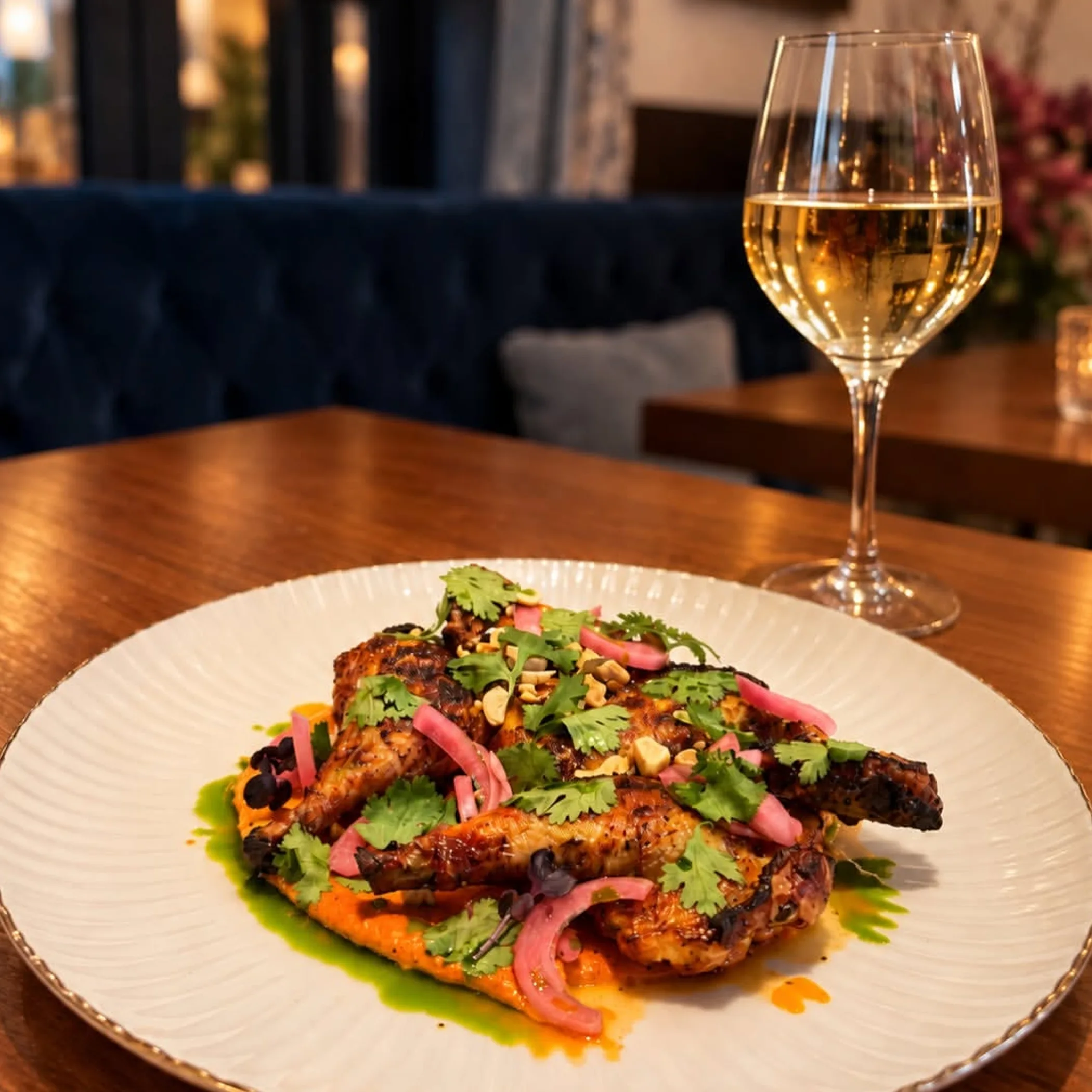
One could be forgiven for thinking otherwise given the tropical flavours, but the bulk of Australian Verdelho is dry. The aromas of pineapple and passionfruit are not residual sugar. Should you want to be sure of a less sweet wine, “unoaked”, “crisp” or “dry” are words to seek. For a softer texture and richer fruit then a fuller-bodied number or a ripe Hunter Valley style from the retailer is the way to go.
Make of the label what it is
The grape name is no indication of sweetness. Look at the alcohol level and the serving recommendation and any tasting note from the producer. Something “fruit-driven” can be entirely dry. Then there is the matter of fortified and liqueur Verdelho; by virtue of the process they are a different animal, higher in alcohol and with a more concentrated and sweeter fruit character. A light lunch calls for a table wine, not something of the dessert variety.
Verdelho vs Chardonnay
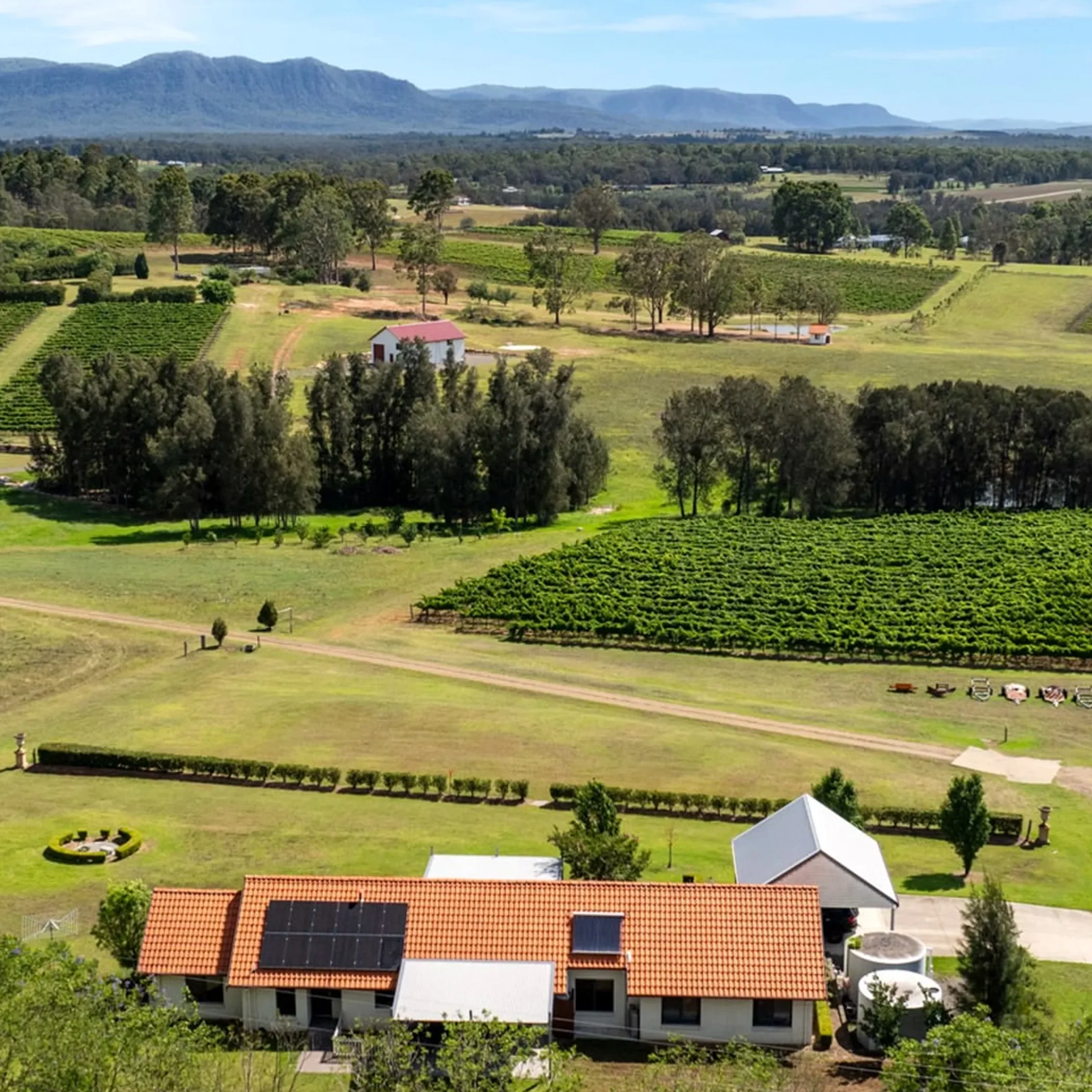
One will find the distinction between Verdelho and Chardonnay in the winemaking, the texture and the aromas. Verdelho is apt to put forward musk, citrus and tropical fruit. With Chardonnay it is a matter of how and where it has been made; it can be all of creamy and oaked with some nuttiness or as lean and citrusy as you like.
Those in want of a fresh finish and no-nonsense fruit will generally go for a Hunter Valley Verdelho. But if stone fruit and cashew are more to your liking, along with mineral texture, toast and a bit of oak, then Chardonnay is the one.
Drinking Style
For warm weather or to accompany seafood and anything spicy, an aromatic and food-friendly white such as Verdelho is the way to go. Opt for Chardonnay when you are after a wine with some textural variation or one that has had the benefit of lees work, time in bottle or oak.
There is no automatic superiority in either grape. The question is do you prefer the freshness and tropical notes or the savoury, oaked and creamy end of the spectrum. One does not need to have a wine argument over it.
Food Pairings
The combination of fruit, acidity and a moderate weight makes Verdelho very serviceable at the table; it will stand up to dishes that would put a finer point on a delicate white yet are not heavy enough for a red. Thai, Vietnamese and Malaysian fare are a natural fit. Herbs, lime, chilli and coconut feature in the sauces and the tropical profile of the wine is in keeping with them, the acidity will see to refreshing the palate in between.
Make it simple
Grilled prawns, oysters, salt-and-pepper squid or a seafood salad pair well with a Hunter Valley Verdelho. So too will roast chicken, spring rolls, pork with a fruit sauce or a noodle dish of mild spice. Do not put a delicate bottle up against very hot chilli unless there is sufficient body and fruit to it; the alcohol will seem to run hotter and the fruit thinner from the spice. Put it in the ice but not so cold as to stifle the aromas, 8-10°C is a good rule of thumb, though a full bodied bottle can be left to come up a little in the glass.
Some Producers

Variety is not the only consideration, style is. What separates two Verdelho bottles can be the residual sugar, the use of oak, fermentation temperature and harvest timing. If you are making a trip to a cellar door in the Hunter Valley, look into what Tulloch Wines, Tyrrell’s, Margan Wines, De Iuliis Wines, Pepper Tree Wines and Audrey Wilkinson have to offer. Best to verify their current range beforehand as availability is not constant.
Questions to ask
You will get more out of a cellar door by inquiring on the vintage, if the wine is unoaked or off-dry, its drinking window and whether they put out a fortified version than by asking what is popular.
If your time in the Hunter Valley is limited to a day, be realistic about your route. Pick two or three cellar doors in close proximity, have a sober driver and make time for lunch. The roads are fine but there is no virtue in putting the wind up yourself as if you were late for a gate. Should everyone be tasting, employ a rideshare or a private transfer. You will usually find parking at the cellar doors but opening hours and fees are not uniform, so a word with the venue is in order before leaving Sydney or Newcastle.
Purchasing and Price
When it comes to buying, first put your mind to whether a reserve bottling or a fortified is what you are after, or a straight table wine. Look at the ABV, the producer, the vintage and delivery terms, not just the discount.
Australian Verdelho is for the most part priced accessibly at retail, though you will pay for a premium from the cellar door. Take the below as a guide.
| Style | Indicative Price Range | Best For |
|---|---|---|
| Entry-level table wine | $12-$20 for a 750 ml | Casual entertaining, weeknight meals |
| Mid-range from the Hunter Valley | $20-$35 per 750 ml | A gift or for the cellar door |
| Reserve/limited release | $35+ for a 750 ml | Special occasions and comparing producers |
| Fortified or liqueur | Substantial variance with age and size | To be sipped slowly with cheese or for dessert |
Liquorland, Wine Selectors and Dan Murphy’s are among those stocking Australian Verdelho but what is on the shelf is subject to the season and state. A retailer will facilitate a price comparison, a cellar door will have the latest from the producer.
What A Good Review Includes
Any worthwhile review of a Verdelho will put forward an account of its sweetness, acidity and body as well as the fruit, any oak, the vintage and how it fares with food. In the absence of that kind of detail a score is of little use when one has to decide on a dry white for prawns or something more opulent for Malaysian fare.
One would be wise to find a review that also notes the drinking window and the right temperature to serve it at. The fruit and acidity in a good Hunter Valley wine are at their most lively and should be treated as such. While there are some fortified or fuller styles made for the cellar, do not put every bottle in a cupboard by the microwave and expect it to get better.
Fresh Table Wine Or Fortified
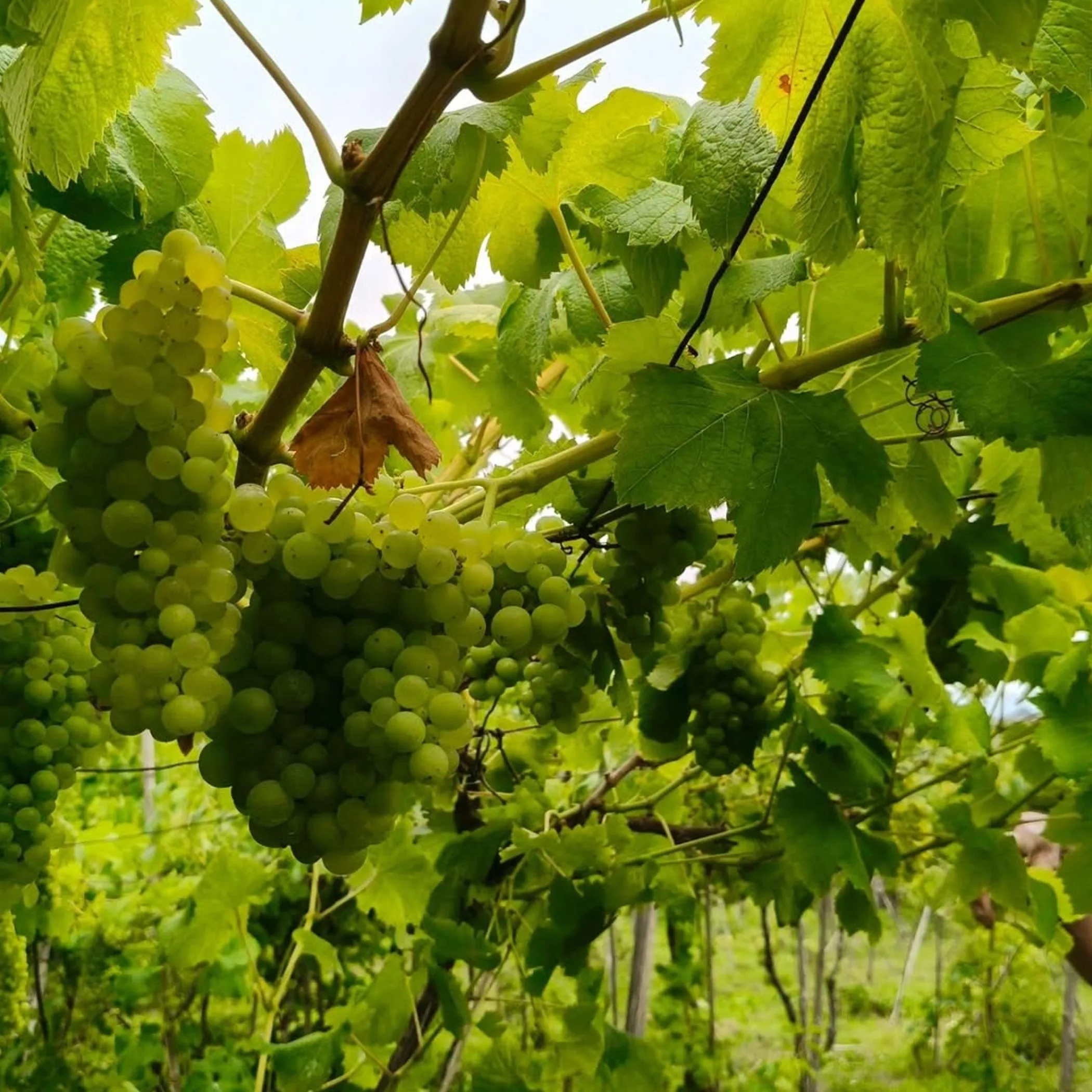
For lunch, a bit of entertaining outside, seafood or an informal tasting, fresh table wine is the way to go. It is lighter in alcohol than the fortified sort and lets you see the grape’s acidity and fresh fruit.
Then there is the fortified Verdelho, which is of a more concentrated and warmer disposition. A liqueur version pairs well with blue cheese, caramel or a fruit dessert, or can be had in small measure after dinner; it is no replacement for a proper chilled table white.
Occasion And Bottle
- When the menu calls for Thai, Vietnamese or Malaysian food, or for salads and warm-weather sipping, go with a fresh Verdelho.
- For a richer, sweeter style to accompany cheese or a dessert, or to be sipped slowly, the fortified or liqueur is called for.
As for cellaring, that is up to the individual wine. Heed what the producer says and keep the bottle in a cool, dark place, free from any change in temperature. An inexpensive, fruit-forward bottle is best put to use sooner rather than later.
Who is this wine for?
The aromatic quality of a Hunter Valley Verdelho, with its tropical fruit and a moderate body underpinned by crisp acidity, will appeal to many. Those who think a lean wine is too much of an edge or a heavily oaked Chardonnay overdone will find it an apt entry into Australian whites.
Not so if the desire is for a bone-dry, mineral style or a buttery Chardonnay. Nor will it please those who take the hint of pineapple in the nose as an indication of a sweet wine; in that case the label and the tasting note are more to be believed than the sunny reputation of the grape.
Frequently Asked Questions
What is Verdelho?
A white grape variety that makes for a dry table wine but is also put to use in fortified and liqueur forms. You will find the Australian table version to be refreshing, medium to full-bodied and driven by fruit and aroma.
The Hunter Valley’s most famous offering?
Semillon is perhaps the best known from the region for the flavours it acquires with age in the bottle, and Shiraz is no less so. Verdelho is of another order, more overtly tropical and to be had while young.
Is it like Chardonnay?
They are both white wines yet the taste can be worlds apart. Where a Chardonnay may have cream, oak, stone fruit and savoury elements, Verdelho is all about the citrus, musk and tropical fruit.
Dry or sweet?
In Australia the table Verdelho is for the most part dry. There is no residual sugar to speak of despite the ripe guava or passionfruit one might smell. The fortified and liqueur types are another matter, being sweeter and with more alcohol.
Serving Hunter Valley Verdelho
Chill it to 8 to 10 degrees, allowing a fuller wine to pick up a degree of warmth in the glass. Have it with some poultry, an aromatic Asian dish or seafood. Should you intend to put it away, ask the producer.
Some final thoughts on buying

Verdelho from the Hunter Valley is a sound choice of Australian white, food-friendly and with a finish to refresh. It is dry in most cases and occupies a nice middle ground between a delicate white and a Chardonnay of some heft.
To be sure of your purchase, make it a current release from a name you know in the Hunter Valley and see what the ABV and description have to say about the sweetness before you pair it with your meal. If you are making the trip, book the cellar doors and put in the time to do the region justice. Tasting ought to be a day out, not an exercise in bad logistics.
For information on responsible purchasing and the latest alcohol rules in New South Wales, the NSW Liquor & Gaming website is the place to look.
