If one were to plan a summer festival in Cairns it is not the same as putting on a winter market in Hobart, and that is the first thing to bear in mind when doing 2026 event planning in Australia. The country is home to everything from alpine and Mediterranean to arid, temperate, subtropical and tropical climes; where you are will dictate your choice of date, staffing, shelter and any emergency protocols.
In this guide I set out the Australian climate zones by way of region and what they mean in practical terms for an organiser. I am Aurelia Smith of Melbourne. Here a morning might call for a jumper, by lunch you are in T-shirt weather and before long the wind has the signage making its way down the street. You do not want to be caught unawares by such abrupt shifts in temperature, which is why a cursory look at the year’s forecast will not do for an outdoor event in Australia without Australian festival weather planning.
Making Decisions Based on Climate
A climate zone is indicative of the pattern over time rather than the day of the event itself. It is there to let you know what to expect in the way of heatwaves, cold nights, wind or seasonal risks of all kinds prior to parting with a ticket or locking in a venue.
The framework put forward by the Australian Building Codes Board is a good place to start for event infrastructure. But for the operational side of things, let the Bureau of Meteorology observations and warnings be your guide. A map of the zone has its uses but a live warning is worth more.
Eight Zones In Practice
When asked to name the 8 climate zones in Australia, one can point to the Australian Building Codes Board system which numbers them from the most warm and humid to alpine. The demarcations are technical and may not hold up over a few kilometres so a broad city label is no substitute for an official map if you are assessing a site.
| Climate zone | Typical conditions | Event planning focus |
|---|---|---|
| Zone 1: Tropical | Summer humidity and warm winters | Cyclone procedures, hydration, storm drainage, shade and airflow |
| Zone 2: Subtropical | Milder winters, summers that are warm and humid | Rain and storm response, slippery surfaces and heat management |
| Zone 3: Hot dry | Warm winters, hot dry summers | Dust control, cool storage, water, shade and night-time temperatures |
| Zone 4: Hot dry with cool winter | Very hot in summer and cooler come winter | Daytime heat protection, heating and warm clothes after dark |
| Zone 5: Warm temperate | Seasonal and warm in summer | Wind checks, shoulder-season and flexible wet-weather cover |
| Zone 6: Mild temperate | Cooler winters, moderate otherwise | Heating options, rain protection and layered clothing |
| Zone 7: Cool temperate | Cold in winter, cool generally | Shorter daylight, weather-resistant flooring, marquees and heating |
| Zone 8: Alpine | Frost, snow, rapid shifts and cold | Shelter, access, sudden changes in temperature and emergency transport |
Do not mistake these for a guarantee of good weather, they are merely a lens for planning. A proper brief will take into account the terrain, the month, the forecast and the attendees as well as the zone.
Flexibility in the Tropical North
The wet season in the north of Australia, say in Darwin or Cairns, is apt to produce intense rain, thunderstorms and ground that is hard to work with, not to mention the humidity. The dry season is easier on the crowds but still demands you be on top of sun exposure, dust and bush access.
With regard to northern locations, November through April should be seen as a time for robust cyclone and storm procedures. Check the Bureau of Meteorology often in the run-up as dates are not fixed.
Measures for Cairns and Darwin
Any site in Cairns must have adequate drainage and a sensible approach to waterlogged grass. Equipment and people alike are better off under a covered stage or on raised walkways and flooring that can stand up to the elements. Do not be fooled by a marquee in a catalogue, in the wind it could become a sail unless a professional has verified the anchoring and limits.
In the Top End of Darwin high humidity is oppressive. Hydration stations should be placed where the queues form, not some remote corner near the dunny block. Have rest areas and shade and first-aiders who know their way around heat illness. Misting is fine in the right circumstances but can make for a slippery surface, so keep an eye on the ground.
Then there is the matter of getting about in the wet season. Some roads are short on paper until the rain comes and then they are not, and certain routes will be closed. Take stock of road conditions, parking surfaces and return routes as well as when the suppliers are due to arrive. A remote track for an event means one has to factor in delays; do not make out as though the Stuart Highway is present in every paddock.
Brisbane And The Red Centre
There is a world of difference between the two. Brisbane’s subtropics bring with them hot summers, humidity, rain and the odd severe thunderstorm. Then you have Alice Springs in its arid inland setting: punishing heat by day and a cold that is all too apparent in the evening.
Such is why “summer” is an insufficient guide for planning. In Brisbane one will want shade and storm contingencies; in Alice Springs there must be water, sun protection, a way to deal with dust and some accommodation for the temperature swing from day to night.
Heat, Storms And Dry Air
In Brisbane it is prudent to have covered stages and good drainage about the food, ticketing and toilet facilities. See if the rain makes for slippery ground. Temporary structures and power can be at the mercy of a thunderstorm putting on a show of lightning and gusty winds.
Do not put the schedule in Alice Springs to rights for the sake of a printed programme, plan for the heat instead. An early start or late finish will limit exposure. Make sure there is no queue for drinking water at the hydration stations and that staff have first-aid, sunscreen and a reserve of water to hand.
Zone 3 covers much of inland Australia with its warm winters and hot, dry air, Alice Springs being a case in point. But one should check the venue address against the climate-zone boundaries. Local wisdom that it is in the desert is no replacement for a map.
Temperate Cities Need Layers
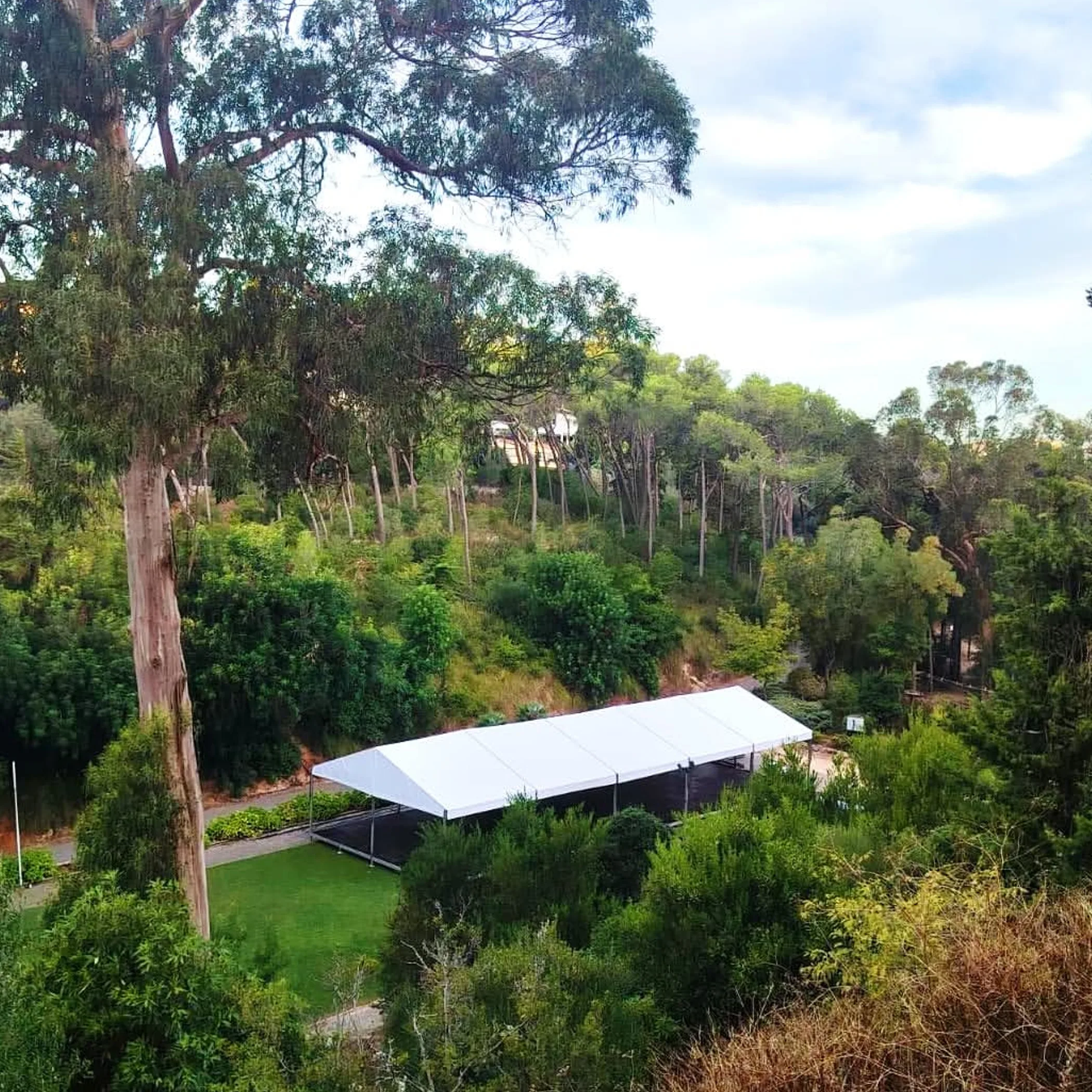
Sydney, Melbourne, Adelaide and Hobart are temperate but their risks are not the same. Sydney runs to the warm and humid side, Melbourne is known for its quick shifts, Adelaide for dry heat and wind, Hobart for being exposed and cold come spring. A sound plan in these cities is one that is adaptable: provide for rain and afternoon shade, see to dry storage and warm clothing for your staff and have a communication plan ready to be altered.
Sydney To Hobart Planning
With Sydney, keep an eye on the coastal winds, humidity and any transport snarls. Rain will alter the crowd’s disposition and those who were ambling across the lawn will be crammed under an awning like sardines, so build in time for pedestrian movement.
Melbourne is best approached in layers. One can have a nice morning give way to a cold, wet afternoon and the unprepared will be left with nothing but umbrellas and regret. Advise attendees what they should have with them, put up some cover and shield electricals from the wind and rain.
Adelaide’s dryness is a fire hazard in places near the bush or grassland. In Hobart and around Tasmania the winter daylight is short and the weather cold and windy; a daytime inspection may seem mild but heating could be called for. For all four, put down weather-resistant flooring where there is heavy foot traffic or mobility access is required and check the surface after any rain.
Perth Rewards Seasonal Timing
The Mediterranean climate of Perth, with its cooler, wetter winters and hot, dry summers, lends itself to scheduling outdoor events in the milder temperatures and less rainfall.
Yet risk remains. Organisers in Perth have to contend with dust, strong winds, total fire-bans and the threat of heatwaves and bushfires. What appears an ideal spot for a picnic on a dry grass venue ceases to be so once the fire plan is put to paper.
Western Weather Realities
Suppliers coming in from regional Western Australia on long routes such as the Gibb River Road will not always find what their map estimate suggests, given seasonal closures. For a large event, verify access for them and the emergency services.
Rain in the cooler months in Perth will affect the flow of pedestrians and parking as well as the grass. Have marquees over queues and a firm place to park, and install drainage at the entrances. Come summer, do not relegate water and shade to the sidelines but put them where the activity is.
Alpine Areas Change Quickly
Frost, snow, a cold rain and a sudden change in temperature are part of alpine and sub-alpine life in the Snowy Mountains and Victoria’s High Country. Small events can be well served here if they are properly put together, but casual planning is not tolerated.
Access is more of a physical undertaking than some would have you think. Consider the car park: if it is some distance from the stage, older guests or those with mobility aids will find the walk all the more arduous on ground that is wet or under ice, to say nothing of children.
Snowy Mountains And High Country
Before one puts tickets on sale in such an area, make sure road access and emergency routes are in order, as are tyre specs and parking capacity. Put in place a definite plan for getting guests back should the weather turn. Where public transport is not an option, put out sound travel advice; do not count on a rideshare materialising in a remote mountain car park come closing time.
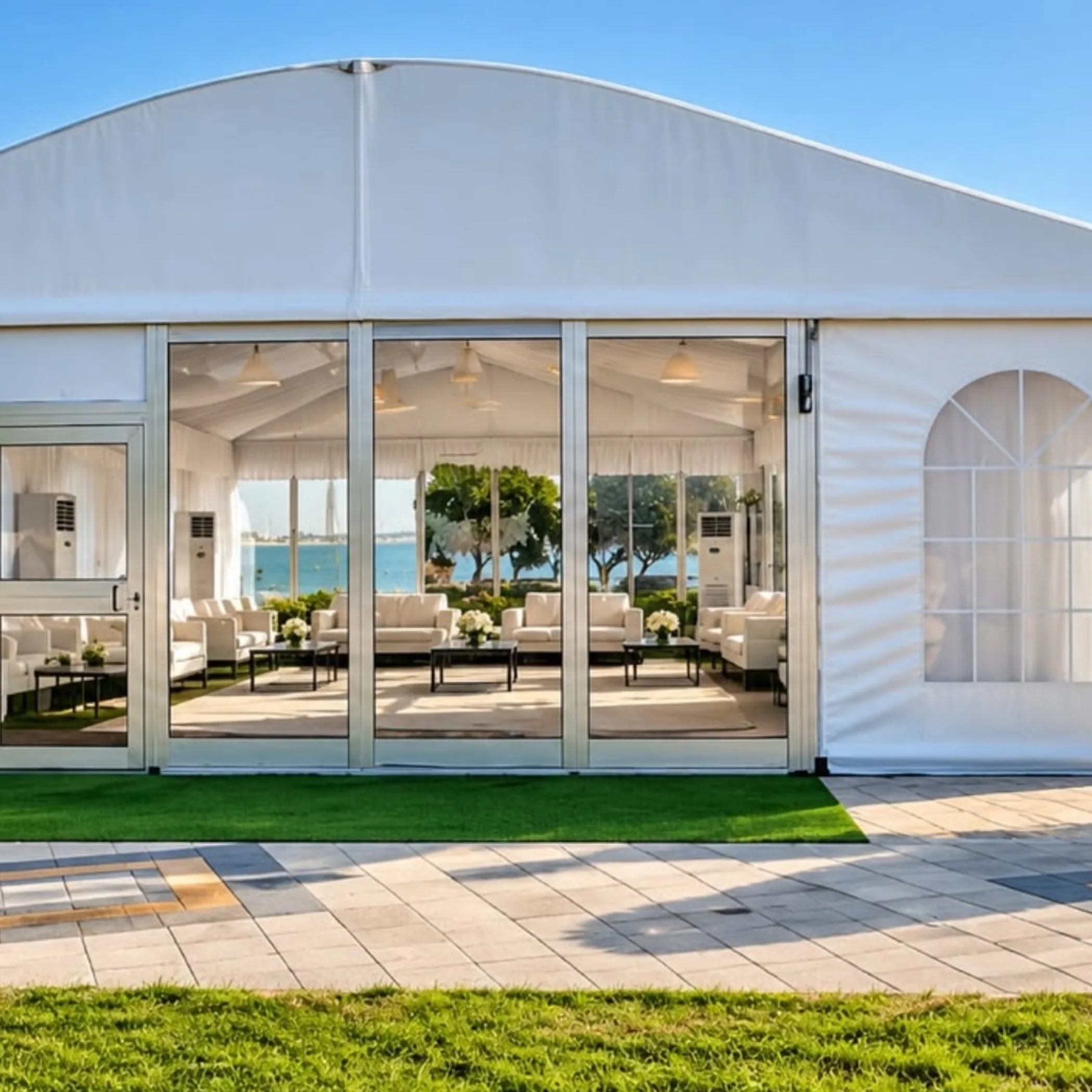
For an event of a day’s duration, one would do well to put shelter, safe access, heating, warm food and toilets ahead of any decorative frills. The environment is no place for a novice without the means to get people inside, a communications backup or any kind of weather protocol. An indoor venue to fall back on is worth having when the site is so exposed.
Choose Months With Evidence
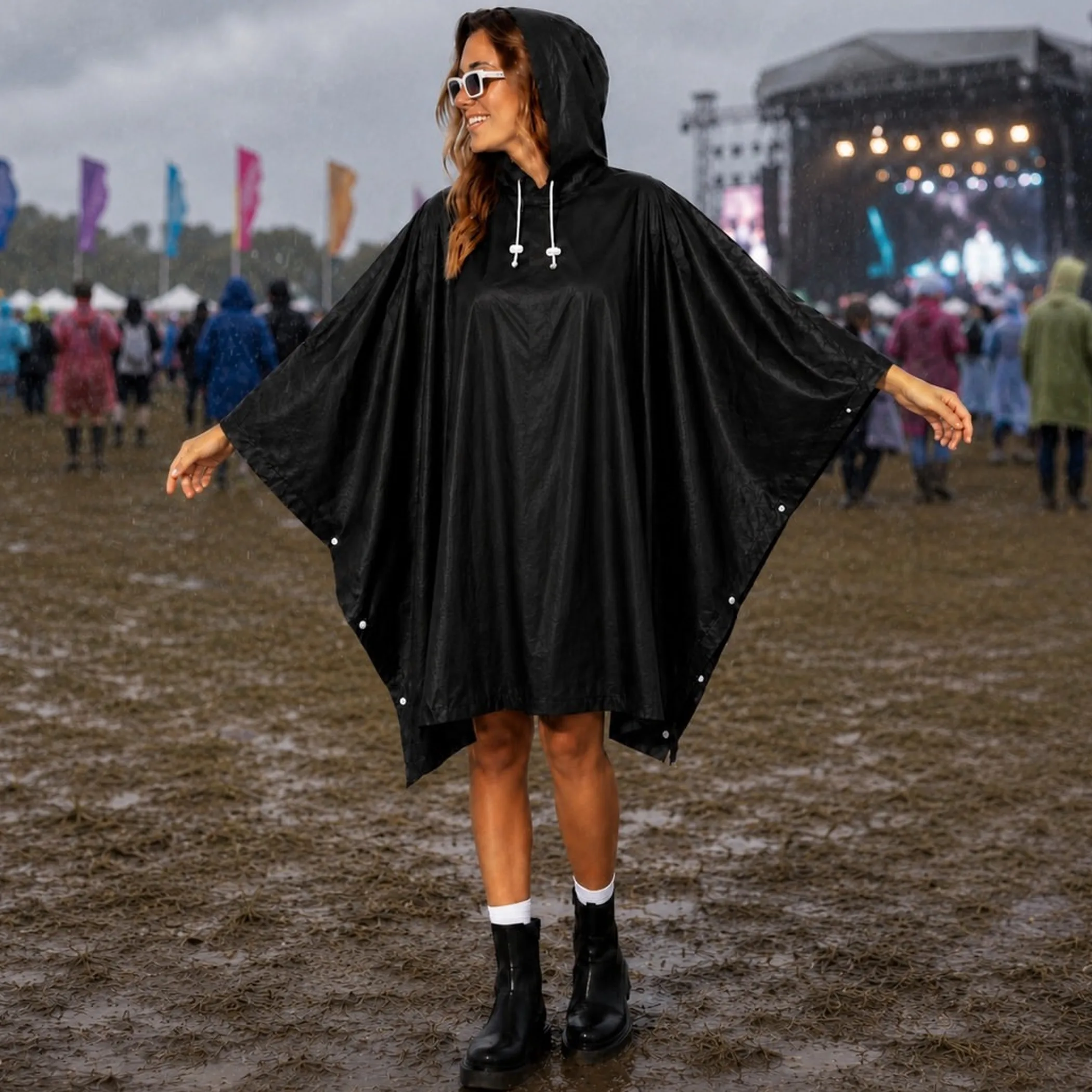
What makes for a good time to hold an outdoor event in Australia will be dictated by the city, the audience and what the event is for. A summer concert has different comfort limits to a winter food market or a festival for children during the day.
The 2026 seasonal weather guide for Australia can serve as your framework for planning, but check the forecasts and warnings as the date nears. You may be guided by the seasonal averages but they will not put a stop to a cyclone or heatwave.
Seasonal Planning Guide
| Season | Often suitable for | Main controls |
|---|---|---|
| Summer | Southern evening events and certain coastal programmes | Wind limits, bushfire checks, shade, hydration and heatwave thresholds |
| Autumn | Daytime community affairs and many southern festivals | Ground conditions, daylight changes, cooler evenings and rain cover |
| Winter | Indoor-outdoor programmes in milder climes, food events and markets | Warm transport, lighting, heating, flooring for the wet weather |
| Spring | In most cities, though local wind and rainfall are factors | Strong winds, storm plans, pollen and the odd rapid change in temperature |
In the north of Australia the dry season is generally more accommodating for outdoors than the wet, if the timing is right. Down south autumn and spring are comfortable enough yet can bring a surprise cold snap or storm. One should pick a date and have a workable alternative at hand.
Build A Weather Contingency
Do not wait for the first warning to start improvising a contingency for the festival; have it in writing before the suppliers show up. It must set out who is making the call and on what evidence, how staff and attendees are informed, and the disposition of power, food, transport and performances. Rely on the Bureau of Meteorology for climate data and forecasts, and on professional engineering and local emergency advice for any temporary structures.
Operational Risk Checklist
- Establish your thresholds for fire, rainfall, wind, lightning and heat.
- Have someone designated to cancel or move activities if need be.
- A change in the weather calls for an inspection of the power, fencing, signs, marquees and stages.
- See to it there are shaded places to rest, first aid, staff welfare breaks and hydration.
- Look over the drainage, accessible and emergency vehicle routes, parking, flooring and toilets.
- Be ready with clear wording on re-entry, refunds, relocation and delays.
- If the risk warrants it, an indoor or covered fallback is advisable.
An event manager of competence will have controls on paper, have briefed his contractors and made a note of inspections. The risks in Australia go beyond mere discomfort: poor visibility, smoke, slippery surfaces, flooding or falling branches are safety matters in the making. Good safety planning should be something people see and not be put off by. Set out for people what is to be done and what to bring, where the water is, how to make their exit and the protocol should the programme be altered. A spreadsheet will not spot a shortcoming as quickly as the parents or disabled guests, the performers, older attendees or casual staff will.
Be straightforward in your messaging. “Bring a warm layer and closed shoes” has more value than “variable conditions may occur”. Staff must be aware of the first-aid point, the procedure for a child or group that has been separated and the most accessible route on hand.
Expectation Versus Reality
A covered stage is thought to put an end to wet weather. In fact you will still have to provide dry paths, seating, food queues, safe transport and toilets for your guests.
It is assumed a hot climate equates to warm nights. But in Alice Springs or the alpine regions it can get very cold once the sun goes down.
One might think a dry forecast precludes any trouble. The reality is that heatwaves, dust, fire danger and strong winds present enough risk without any rain at all.
Frequently Asked Questions
You will come across these in event and climate searches. While the answers are brief and to the point, they do not obviate the need for an assessment of the venue; local weather is highly variable and climate zones are broad.
What Are The 8 Climate Zones In Australia?
The Australian Building Codes Board delineates eight: tropical, subtropical, hot dry summer with either a warm or cool winter, warm temperate, mild temperate, cool temperate and alpine. Useful for environmental and building planning, they are no substitute for a site risk assessment or up to date forecast.
Will 2026 Be A Wet Year In Australia?
Without current climate outlook data one cannot in good conscience offer a national answer for the entire year. What is wet in one region does not mean the same for Cairns, Hobart, Perth or Sydney. Have a look at the Bureau of Meteorology’s latest before you finalise your event plans.
Where Is Zone 3 In Australia?
For the most part it is found in hot, dry parts of inland Australia with warm winters, of which Alice Springs is a case in point. Other areas will fall into different zones. Boundaries are not so easily drawn from state to state so consult the official map for your venue.
What Are The Different Garden Hardiness Zones In Australia?
This is a horticultural system in its own right, distinct from the Building Codes Board climate zones. It is for the gardener to judge if a plant will survive the minimums. Do not rely on a garden zone when you are putting together festival safety.
What Is The Safest Season For An Outdoor Event?
There is none. The dry season may be fine for a northern affair, autumn and spring are often comfortable in the southern cities, but you still have to contend with wind, storms, bushfires and the like. A tested contingency plan, a realistic date and some monitoring are what make for the safest option.
Plan For The Place
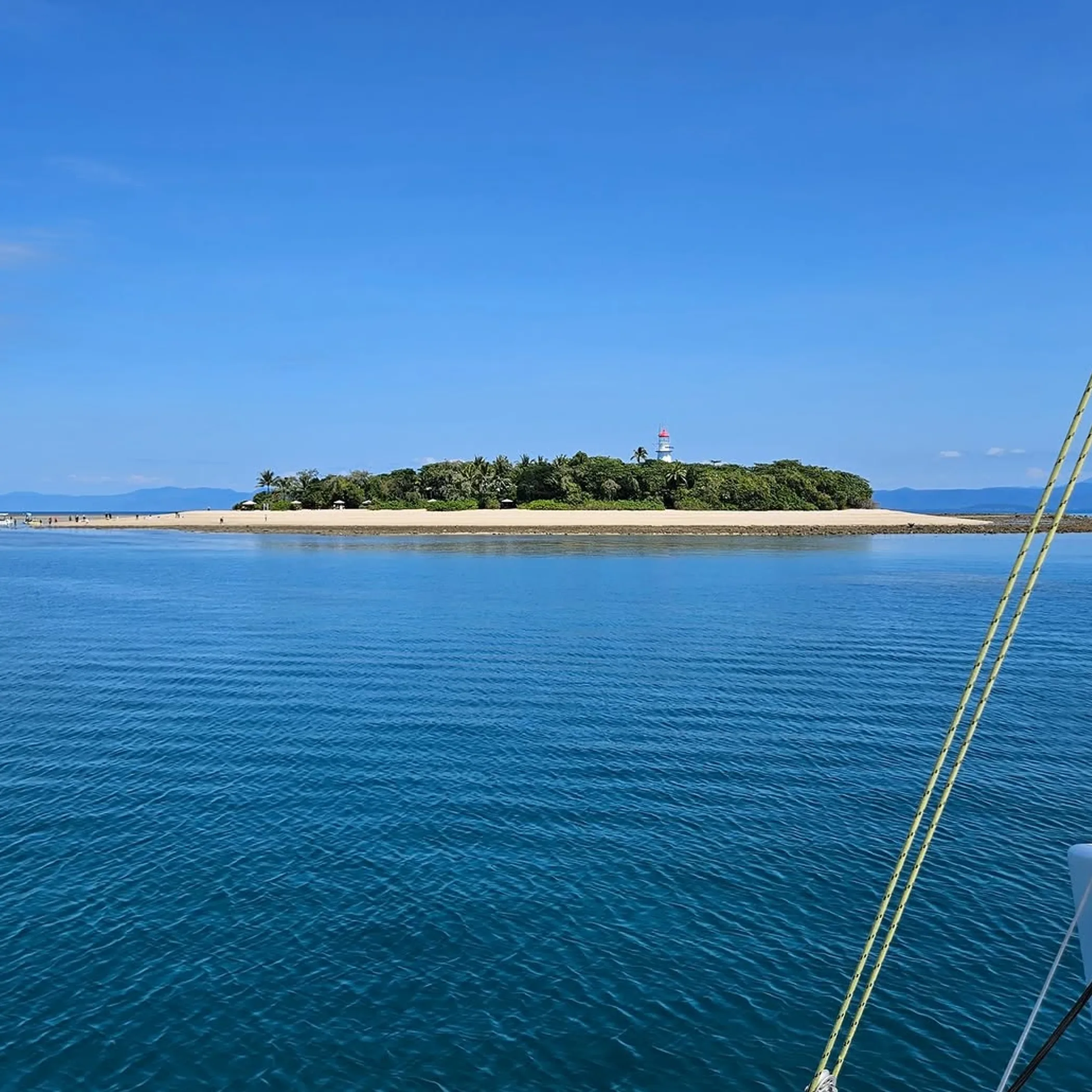
When it comes to 2026 planning for outdoor events in Australia, organisers would do well to stop regarding the country as a single weather destination. The controls required in the High Country or Snowy Mountains are not the same as in Darwin, Brisbane, Adelaide or Melbourne.
Make your choice of month on the evidence and put in place a fallback that is workable. Brief the team and design for the people who will be there. The weather will have the last say, see to it that it is not also the author of the incident report.
