To make planning for the 2026 wildflower season in Victoria’s national parks a straightforward affair, one need only track the flowers from the lower country up to the alpine ranges. The northern mallee, heath and grasslands are at their best in late winter and spring; the Grampians in full spring; and if it is alpine daisies and lilies one is after, then late spring and summer are when to head for the high country of Dinner Plain, Mount Feathertop or Mount Buffalo.
My name is Aurelia Smith. I write from Melbourne and have no time for anything other than a practical walk, a good bakery and honest counsel on parking, the weather and where the toilets are. Here is my take on the Victoria wildflowers season for 2026: where to be, how much time to put aside and what might trip up the unwary. You can consider the dates that follow to be good windows for your itinerary, but do not think of them as set in stone; rainfall, elevation and temperature will have the final say on the blooms.
A Quick View Of The Victoria Wildflower Season
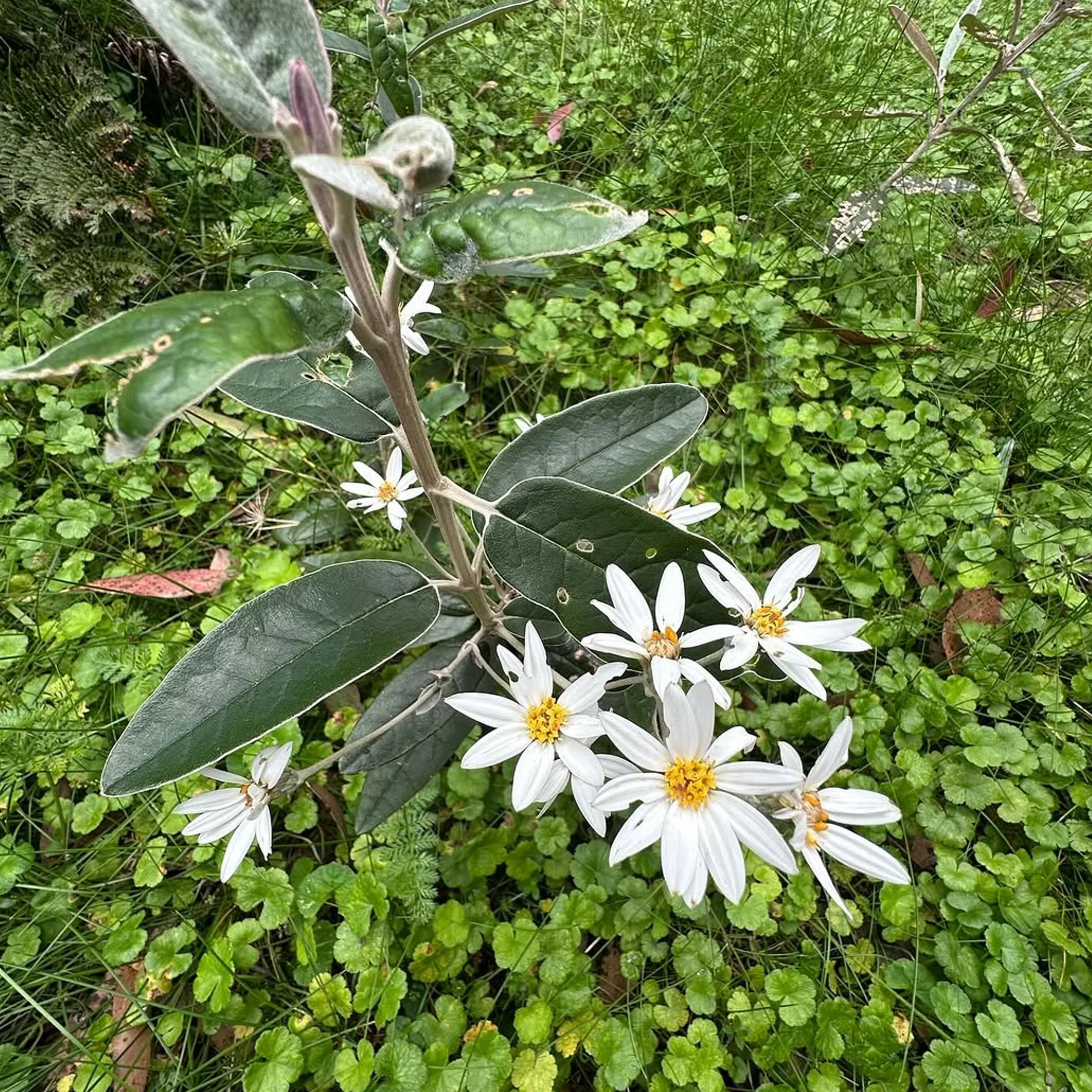
It is a slow progression across the state. Warmer, lower ground will put on a show from late winter, but you will have to wait until summer for the alpine meadows to get going given the cold and snow.
The month is not as important as which park you are in. For more on the best season for Grampians hiking, see our guide. An early spring in the Grampians will yield orchids and heath, but go to Dinner Plain and you may find the high-country plains are still at odds with winter.
| Region Or Park | Useful 2026 Window | Typical Highlights | Best For |
|---|---|---|---|
| Northern grasslands and mallee parks | Late winter to spring | Native daisies, grevilleas, lilies and the like | Broad landscapes, photography and short walks |
| Grampians (Gariwerd) National Park | Spring (elevation will determine timing) | Heath, trigger plants, orchids, native daisies | Weekends devoted to flowers and day hikes |
| Alpine National Park and Dinner Plain | Late spring to summer | High-country meadow plants, buttercups, alpine daisies | Cooler-weather excursions for those with walking experience |
| Mount Buffalo National Park | Late spring to summer | Plateau flowers, heath, snow-gum country | Lookouts and plateau walks for all abilities |
| Kooyoora State Park | Late winter to spring | Woodland and heath flowers, native daisies | An unassuming regional day out |
What To Expect In 2026
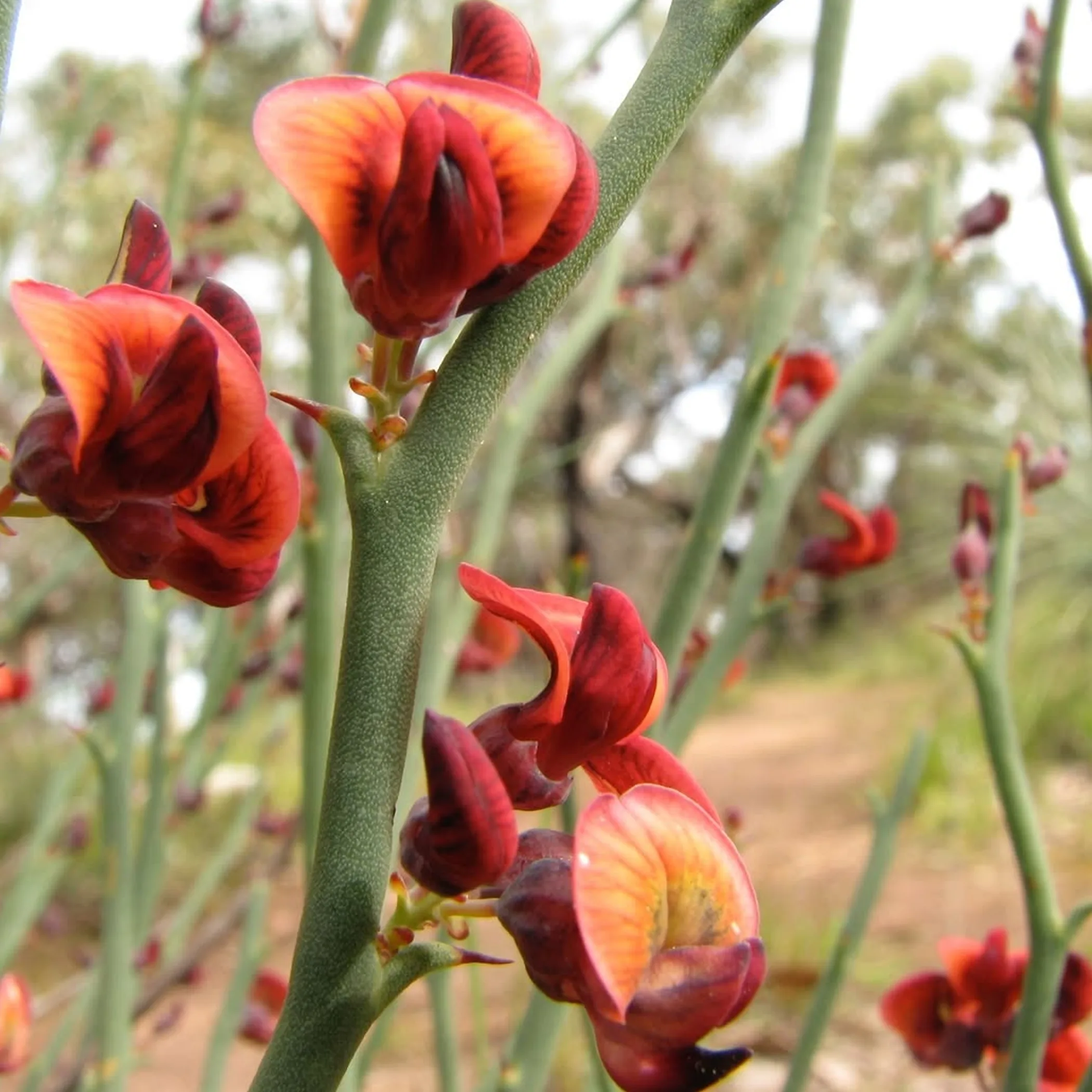
Do not look for one date for Victoria’s spring wildflowers. A dry spell will curtail the display, an abundance of rain will hasten it. In the alpine there is as much to be made of the overnight temperatures and snowmelt as the calendar.
I would use the following as a means of building a route for 2026. But check the park notices before you set off; access and road closures can be put in place on short notice and fire danger is a factor.
Late Winter And Early Spring
Head to the grasslands and heath of lower and northern Victoria in late winter. You may spot some small native daisies, lilies and grevilleas ahead of the main event. If a mountain mission is not to your taste, Kooyoora State Park is a reasonable outing.
The light is softer for the photographer and the detail better. Then again it can be cold and windy and the mud is real. Put on something for your feet that has seen a bit of water.
Mid-Spring To Late Spring
With more than one region in flower, this is the most accommodating time in Victoria’s wildflower parks. The Grampians (Gariwerd) is a fine proposition for longer day walks over rocky trails and lookouts.
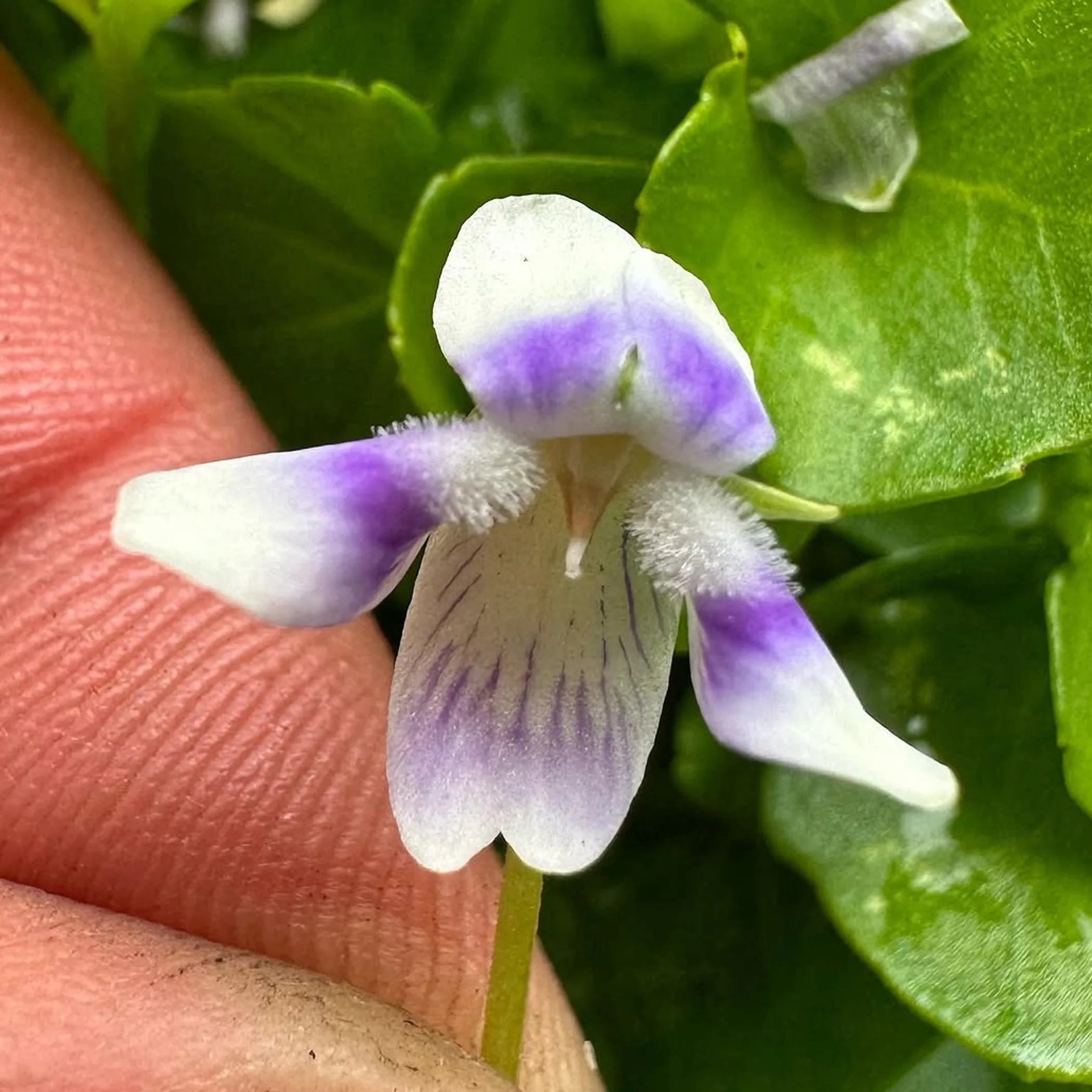
You might come across a blue fairy or greenhood orchid in the native species, though they are diminutive and there is no promise of a sighting. Leave them where they are and put the camera to work; a wildflower is not a pocketable souvenir.
Summer In The High Country
For the Alpine, Mount Buffalo and Dinner Plain, summer is the season. The ground warms and the snow goes and with it come the alpine daisies, lilies and buttercups.
Not that conditions are easy. There is little shade and the sun is out, afternoon storms are possible and ridgelines are exposed. A walk can seem deceptively short. Make an early start, have your water and do not count on your phone to bail you out of a plan gone wrong.
Parks Worth A Weekend
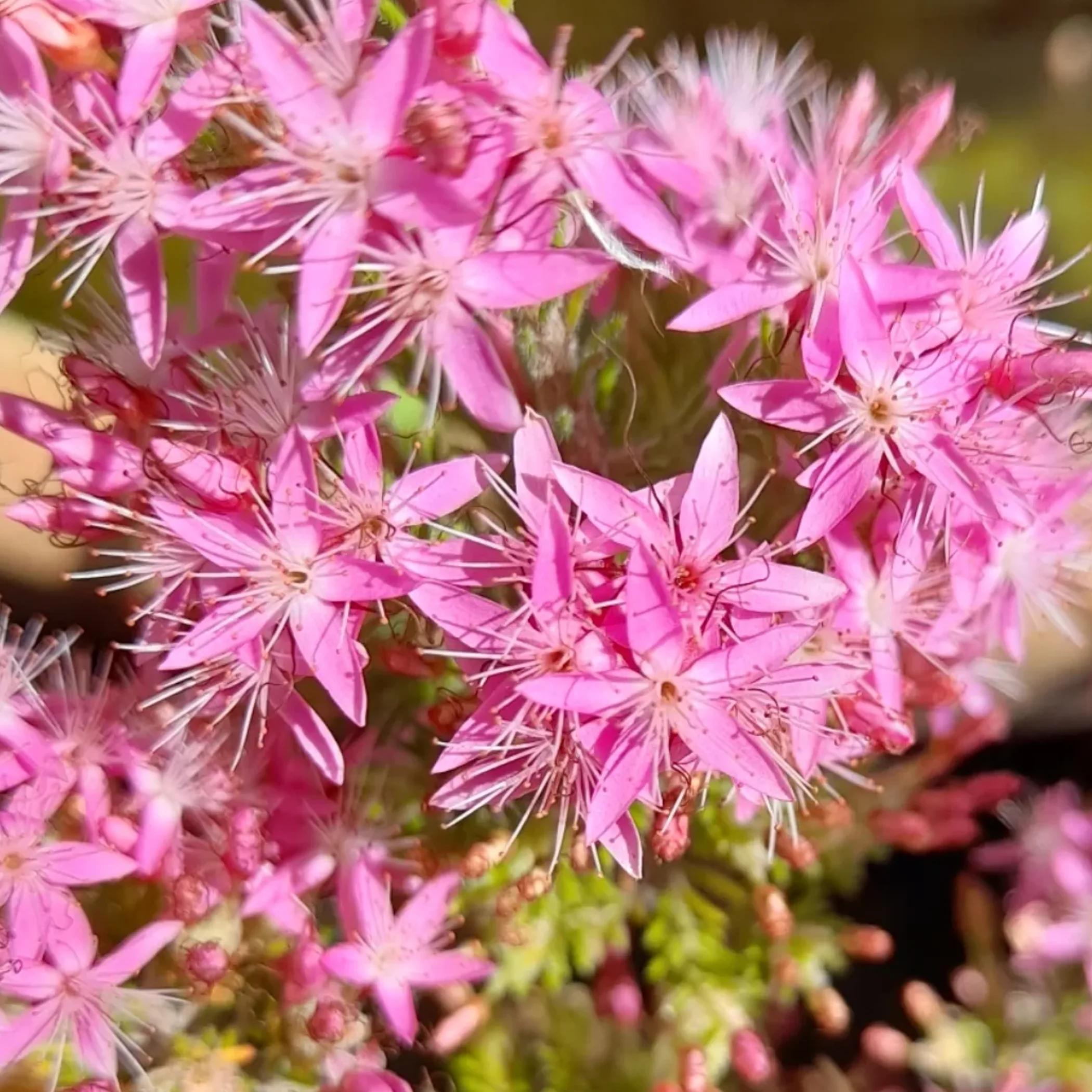
There is ample wildflower country in Victoria to fill a few weekends, provided the driving and the walking are to your liking. A short stop by the road is amply rewarded in some places, in others you will need to put in a full day with good shoes and be prepared to turn back.
The parks detailed here are representative of the seasonal patterns, but do not make out that every bloom is on time. Rainfall, weather or some recent disturbance can see excellent local variation even in one park.
Grampians Spring Displays
There is no better all-round spring option than Grampians (Gariwerd) National Park. One will find heath, orchids, grevilleas, trigger plants and native daisies in a variety of habitats; the flowering will differ between an exposed track at height and the more sheltered lower ground.
If it is your first time, pick a trail commensurate with your fitness instead of the longest one the map has to offer. What may look unassuming from a picnic table can be steep or have loose surfaces and rockier, uneven terrain. The cooler weather of the best hiking season puts the spring flowers in action and makes for a pleasant walk, though access should be verified before you go.
Should the programme of the Pomonal Native Flower Show fit in with your plans in the Grampians area, it is of some use as an orientation point. Do not take it as evidence that a national park track will be in its prime on the same day.
Alpine National Park And Dinner Plain
Those in search of alpine meadows, snow gums and the high-country plains of Alpine National Park and Dinner Plain will be well served. Aim for late spring or summer for the most part; displays tend to be driven by warming and the snowmelt, not some set date on the calendar.
Wildflower trails at Dinner Plain are fine for shorter options and open country. More strenuous routes in the vicinity of Mount Feathertop call for better preparation. The mountains have a way of turning rough: do not count on an exposed ridge being any calmer just because there is warm sun in the car park.
Factor in time for the odd photo opportunity and navigating uneven ground. With only a day to spare, an easy walk in the high country at Dinner Plain is preferable to making for several far-flung trailheads; driving about will eat up the day quicker than a first-timer might think.
Mount Buffalo Plateau Walks
For a summer excursion to the plateau for its snow gums and alpine flora, Mount Buffalo National Park is a sound bet. The plateau and Lake Catani let groups combine some walking with gentle sightseeing, subject to what the season allows in terms of facilities and access.
Dicksons Falls is a feature to put on a wider itinerary, yet a waterfall and flowers are two different things. A wet walk does not mean the floral display will be at its best; wind, elevation and the weather of late will have their say.
Scenic drives and walks of varying length are what make Mount Buffalo appealing to some. For those who have not seen to road conditions, vehicle needs or any closures in the valley prior to departure, it is not the place to be.
Grasslands, Mallee And Kooyoora
Patient types will be repaid with late-winter and spring shows in the mallee and northern grasslands parks. The flowers are not as much of a spectacle as an alpine meadow perhaps, but they make for good photography and wildlife viewing.
A regional day out at Kooyoora State Park is to be recommended if woodland and heath are more to your liking along with a shorter walk. In the warmth these parts are exposed and there is little shade. Even a modest looking walk is not climate controlled so have water with you.
Plan A Safer Flower Hike
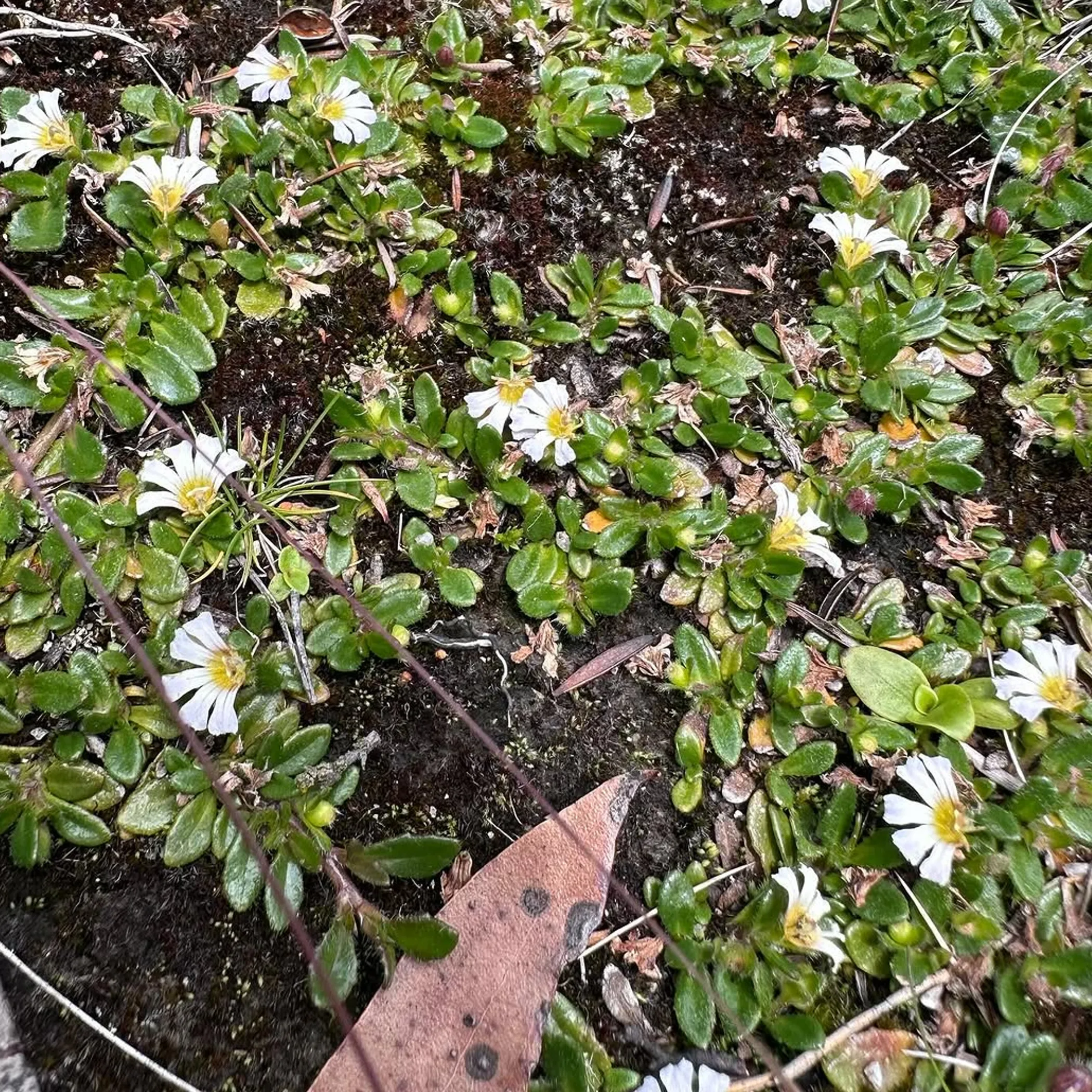
Most of the work in wildflower travel is the ordinary sort of preparation you get out of the way beforehand. Make sure you have enough daylight to put in the last few kilometres without haste, and have reliable mapping to hand or downloaded.
Official Parks Victoria visitor information is where to go for any alerts or guidance. This is important when bushfire or storm weather is in the offing and for alpine access affected by seasonal road closures.
Choose The Right Route
A novice would do well to begin with something clearly marked and short near an access point. An old hand may put in for a longer alpine route provided he has looked into the elevation, water and transport back. The distance put forward for a trail is not going to account for stops to admire a flower, fix your footwear or have a word over a snack.
- Make a pre-departure check of the weather, mobile coverage, parking, toilets and any alerts.
- Once on the path, remain on the formed one, do not let dogs into restricted zones, take your rubbish with you and leave the rocks, Aboriginal cultural sites and flowers as you found them.
- For the way back, have a torch, a warm layer and some food, and let someone know what you intend to do. Put a time on when you will turn around.
Expectation Versus Reality
Expectation: One would be forgiven for thinking an alpine meadow in summer is all colour. Reality: The truth of the matter is that the display can be abbreviated by a dry season, plants put down by the wind and flowering is not always uniform.
Expectation: Orchids are supposed to stand out. Reality: Not so with some of the natives; they are apt to be small and low down and you will not see them if you do not put in the time to look.
Expectation: A well known park is assumed to be easily come by. Reality: On a busy weekend you are more likely to encounter full car parks, queues and a shortage of accommodation. It is wise to put in some early planning for a stay at a national park or nearby over the school holidays and the height of summer.
Pack as conditions warrant
Layers, sun protection and shoes with a good grip are in order. Have water, food and a first-aid kit on hand, as well as navigation and a phone with its charge (and a back up battery) in full. In the warmer months there is the matter of mozzies and the heat to contend with; in the alpine country one has to be ready for cold and rain at a moment’s notice.
Patience is called for with wildlife and your camera. Do not put yourself in the way of animals or trample the vegetation to get a vantage point. A zoom lens is a less embarrassing and more economical alternative to a rolled ankle.
2026 Itinerary Ideas
If you are making a day of it, pick a region and make the route compact. From Melbourne the drive to the Grampians, Mount Buffalo or the alpine country can eat up a visit, so a dawn start and a sensible plan to return are preferable to trying to fit in another park.
Make the Grampians your base for a spring weekend and put in a flower walk of some sort along with a shorter woodland route or lookout. In summer, an early walk followed by a break in the shade and a weather-wise approach to the day is how to go about Dinner Plain or Mount Buffalo.
Who these trips are for
They have appeal for the photographer, the family with the right kind of route in mind and any traveller inclined to take things slowly. They are most rewarding for those content to observe the finer points instead of wanting each hillside to put on as fine a show as a florist.
Those with mobility issues should make sure of the trail surfaces and gradients before they commit. And without the proper preparation, long alpine walks are not for young children or the inexperienced hiker who may have respiratory or balance problems.
Frequently Asked Questions
What Australian Wildflowers Can I See In Victoria?
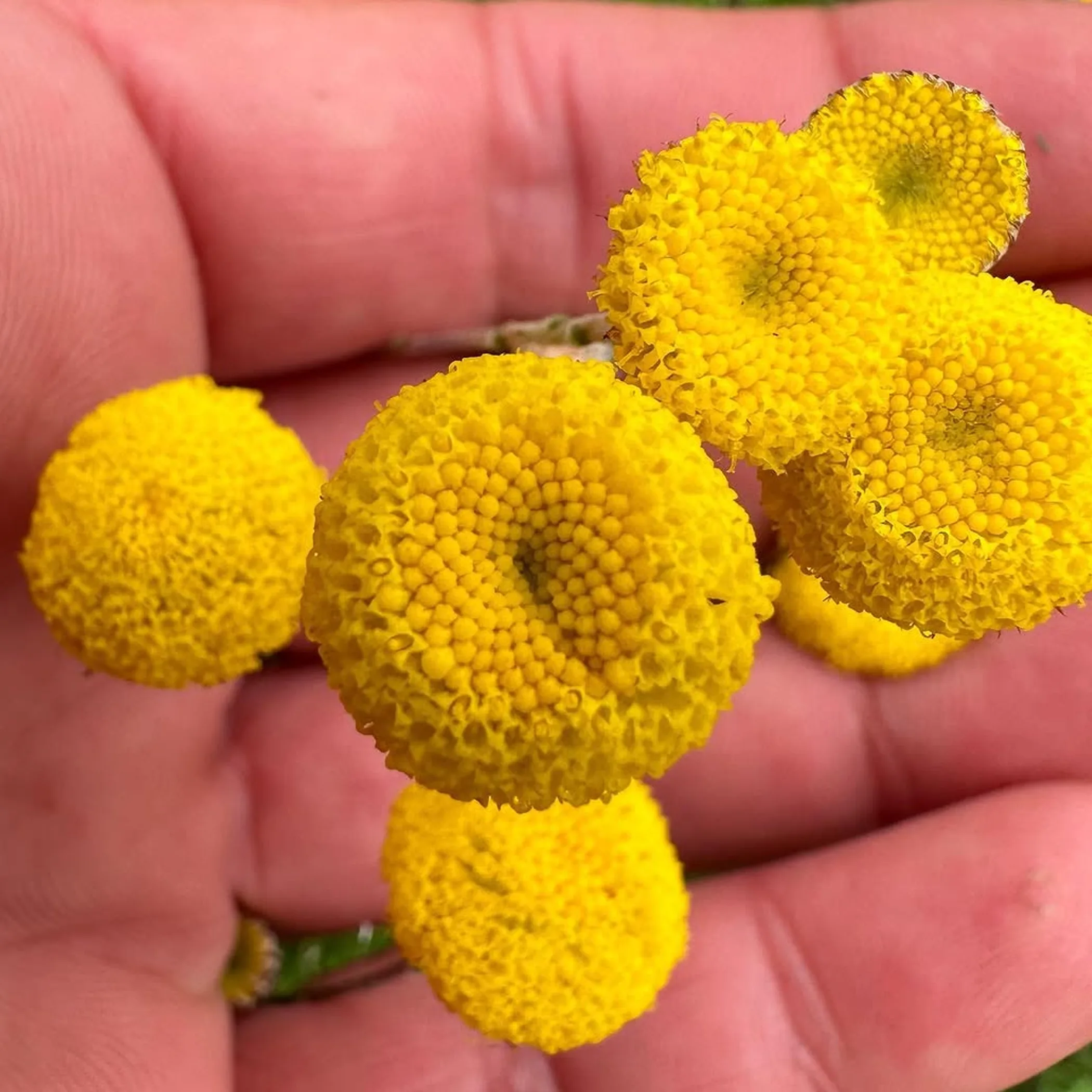
Heath, lilies, grevilleas, trigger plants, native daisies and buttercups are among what you might come across in the season, as well as greenhood and blue fairy orchids and alpine daisies. But rainfall and elevation will dictate the species and how they flower.
Where in Australia for Wildflowers?
The Grampians (Gariwerd), Alpine and Mount Buffalo National Parks, Kooyoora State Park, the mallee and northern grassland areas of Victoria are good bets. While other states have their wildflower regions, we are concerned with Victoria here.
Australia’s Most Amazing Wildflower?
You will not find an objective answer to that. One could argue that a native orchid in Victoria is every bit as memorable as something of grander proportions on the alpine because it makes you look harder.
Best Time in Victoria?
For much of the lower country, particularly in the north and the Grampians, spring is the answer. Further into late spring and summer is better for Mount Buffalo, Dinner Plain and the Alpine National Park. Bloom times are not set in stone from one year to the next so check on the conditions.
Top Victorian National Parks for a Walk?
The Grampians for the variety of spring flowers, Mount Buffalo for its plateaus, the Alpine National Park and Dinner Plain for high-country blooms in summer. For a short regional excursion and some close-up photography, try the northern grasslands or Kooyoora.
To Make The Season Count
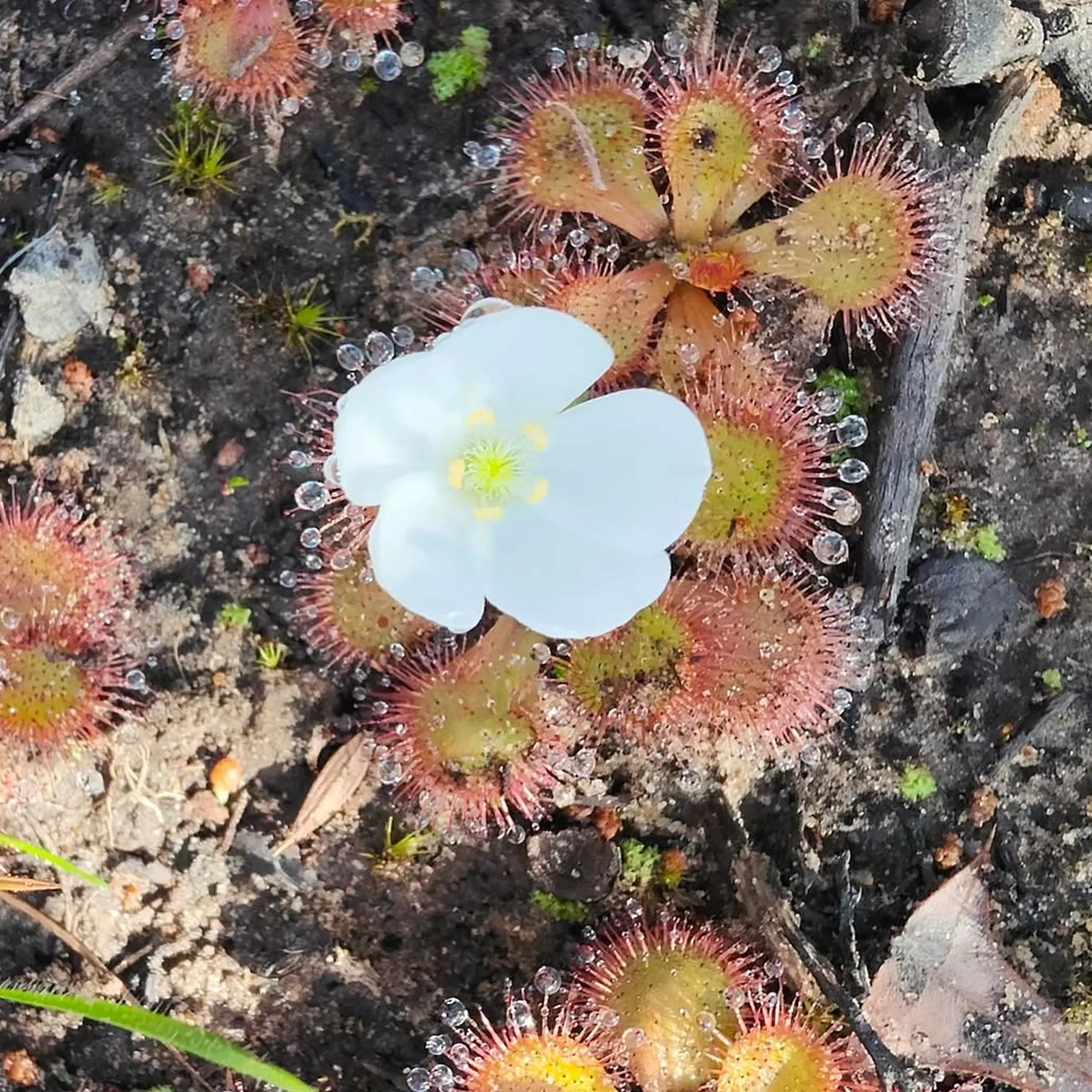
Match the trail to your fitness and the daylight, and the park to the season if you want to get the best of Victoria’s 2026 wildflowers. Be respectful of closures and the flowers in situ and allow the time to see what is at your feet.
Begin in the Grampians or northern Victoria in spring and when summer comes make your way up to Dinner Plain and the like. You cannot expect the flowers to keep to a timetable but a flexible plan and the right equipment will see you to a very good year of walking in Victoria.
