One could put it down to the fact that from May through October is the best time of year for a hike in the Northern Territory; the Top End sees less rain and the Red Centre puts on clearer skies and daytime temperatures you can handle. Then again, most will find June to August to be more to their liking, though April to September is serviceable enough contingent on the route one takes.
But there is a caveat. You will not find a homogenous hiking experience in the Northern Territory. There are tropical wet and dry seasons in Litchfield and Kakadu National Parks or in Darwin. Head to Alice Springs, Uluru or the Tjoritja/West MacDonnell Ranges and the desert will have its way with you, hot days and cold nights and all. My name is Aurelia Smith and I would advise you to pick the region before you decide on the month. You can also explore West MacDonnell Ranges walks.
A quick answer from Aurelia
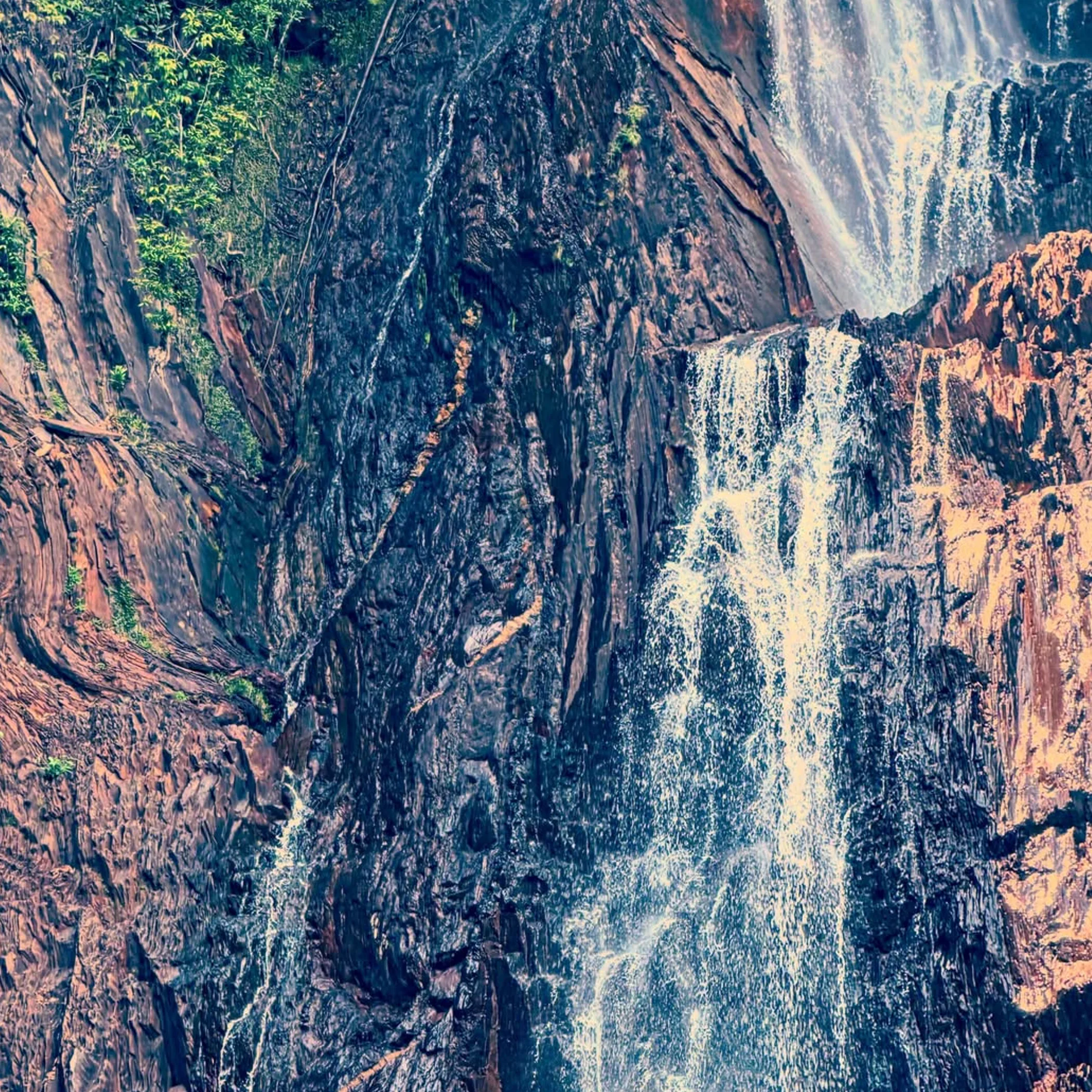
It comes down to whether you are going north or south. For the Top End the dry season is without question the safest and most agreeable time to be out. In the Red Centre the cooler months are the way to go.
Shoulder-season months like May and September are a good compromise. From June to August you will have the surest walking weather and clearest of skies, but expect to pay a premium for accommodation and some congestion at the more sought after spots. As for the wet season, it has its moments but the combination of heat, humidity, flooding and crocodiles, not to mention lightning and closed trails, rules it out for many a remote walk.
Top End Or Red Centre?
Darwin, Kakadu and Litchfield make up the Top End where you are in for monsoonal rain, tropical heat and the odd change in access. The Red Centre is another matter entirely; Alice Springs, Uluru and the West MacDonnell Ranges have a drier climate and night-time temperatures that can drop in a hurry.
The early dry season is well worth it if you are after greenery, swimming holes and waterfalls. Prefer long ridge walks and multi-day hikes in the desert gorges? The Red Centre is more comfortable in the cooler months.
Red Centre Walks
April to September is the practical window for this part of the country. With limited rainfall and the sun lower in the sky, exposed tracks are easier to contend with than in the height of summer.
The Larapinta Trail and the longer routes in the West MacDonnell Ranges or around Uluru see their classic period from June to August. Book your camping and transport well in advance since it is the busiest time of year. Temperatures often exceed 40°C from October to April, making the cooler months ideal for hiking, as noted in the official temperature guide.
Relief In The Cooler Months
Winter days are fine for a walk but do not be taken aback by how cold it gets after dark. Layering is key, rather than lugging about a huge jumper and making do. By spring the warmth sets in and you have to be mindful of heatstroke. Do not be fooled by a short distance on the map into thinking the walk will be easy; when the sun is out in force the desert is slow and unforgiving. Get an early start and have your water with you.
Uluru And Alice Springs
There are accessible walks at Uluru but a word of caution: check for any cultural guidance, weather warnings or current access info prior to departure. The climb is off limits so make plans for the base walks and what is on offer in the vicinity.
Alice Springs makes a convenient base for the Red Centre, especially for a guided trip or if you are in a hired vehicle. A private car is flexible but you need to put some thought into fuel and provisions for the remote roads and have tyres you can trust. And leave the road trains on the Stuart Highway be, they have no time for your holiday plans.
For The Top End
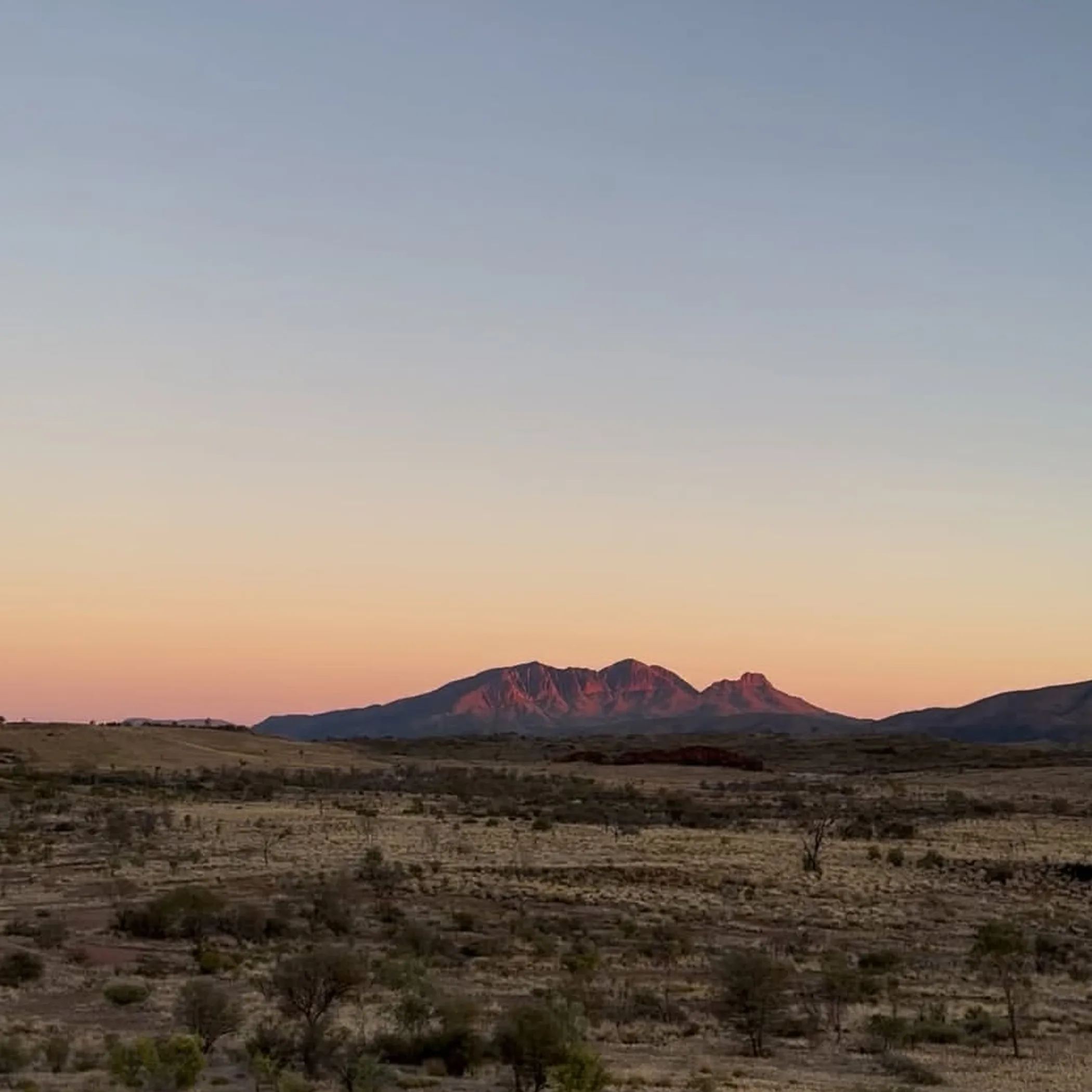
May to October is the most sensible time to be hiking here. Once the authorities have had their say on conditions, roads and tracks and swimming areas will be open again. Humidity is tamed and the rains of the wet season are a thing of the past. July and August draw crowds for the warm but not overly humid days. Come May it can still be hot and by September and October the heat will be building in anticipation of the next wet season.
Access In The Dry Season
Do not think of the dry season in the Northern Territory as just a term for the weather. It dictates what is open in the way of trails and park facilities, the state of creek crossings and water levels and road access. A word to the wise: consult the most recent park notices prior to making your way to a trailhead in some of the more out of the way places.
In Kakadu National Park one is apt to find long stretches between the various attractions and an occasional access road will not be for the faint of heart, demanding a four-wheel-drive or high-clearance vehicle. Litchfield is not as hard to get to from Darwin, yet school holidays will see the better sites swamped; get there early for a car park and some peace and quiet.
Wet Season Trade-Offs
Expect the Northern Territory’s wet season to deliver its share of heavy storms and intense rainfall along with the humidity. While the waterfalls put on a good show, you can have flooding and trails shut down on a moment’s notice. Currents, debris or the presence of crocodiles may put an end to any plans for a swim in the gorges, and some roads are simply not passable.
Hiking in these conditions is for the experienced type who are at home in the tropics and keep an eye on cyclone alerts, and are prepared to alter their itinerary. For those visiting for the first time, the dry season is far more predictable.
Larapinta Trail Timing
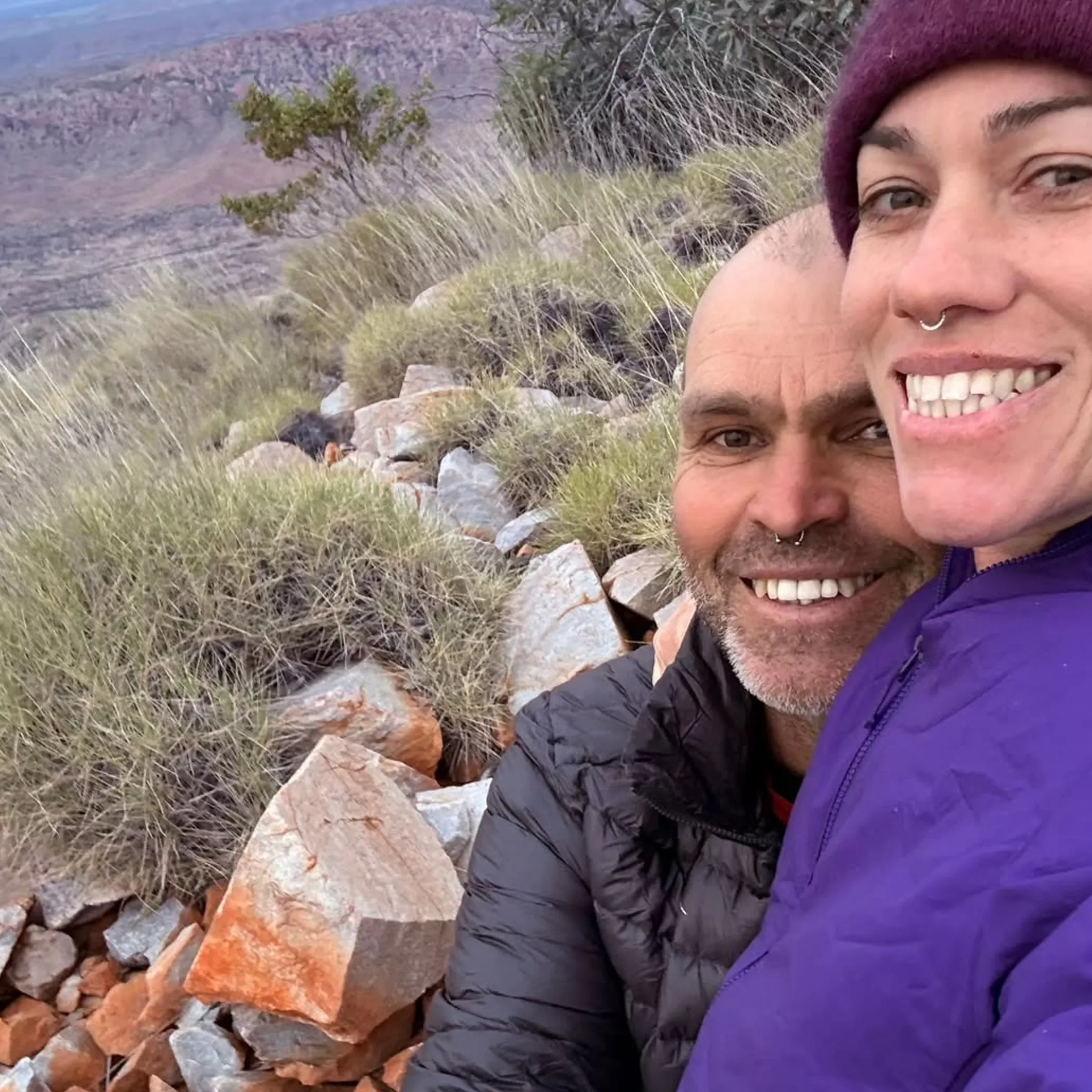
From May through September is the time to be on the Larapinta Trail, June to August being the coolest months for a multi-day affair. The trail makes its way west of Alice Springs through the West MacDonnell Ranges where one will encounter rocky ground, dry creek beds, exposed ridges and campsites of a remote nature.
It would be a mistake to think of the Larapinta as a leisurely amble from one scenic lookout to the next. With the heat, uneven terrain and the logistics of water it is no small undertaking. A strong walker might put in a section with ease but a full traverse calls for a realistic pace and some forethought.
Make it a Section You Can Handle
One day is best spent on a well-trodden part of the trail near a sure access point instead of trying to do half of it. Standley Chasm, Ormiston Gorge and Simpsons Gap are popular with planners though opening conditions are subject to change.
When selecting a walk in the West MacDonnell Ranges factor in your transport, fitness and how you plan on getting back. On paper the map is quite compact, then you have to account for the loose stone, a few stops for photographs and the trek back to the car in the heat.
Not For Everyone
Those with an aversion to remote tracks, lugging gear or being out of mobile range will not be suited to the Larapinta. A beginner is welcome on a day hike with a guide but should not set out on a multi-day remote section unprepared.
If you have medical issues related to the heat or are unsure about water carrying capacity, take professional counsel and put together a guided itinerary. It is an extra expense but the local insight on track and cultural matters and the reduction in logistical risk is worth it.
Seasonal Hiking Conditions
You are better off having an understanding of the weather in the Northern Territory than fixating on the one “best” month. What holds true in Darwin will not in Alice Springs and by mid-afternoon the conditions can be unlike what they were at sunrise.
The following table is a broad regional summary for planning purposes, not to be taken in lieu of a forecast or any alert from the park.
| Period | Top End | Red Centre | Best Use |
|---|---|---|---|
| November to April | Wet season with all that entails: storms, humidity, flooding and the odd closure | Very hot days, cooler nights and now and then a storm | Only short and flexible outings, verify access |
| May | Humidity lingers but rain has let up, green landscapes | Good shoulder-season walking as it cools down | A reasonable option for the flexible |
| June to August | Mornings are comfortable and drier | Clear skies and cool for hiking | Longer walks are best done in this period |
| September to October | The heat builds before the wet season | Warmer days and greater heat risk | Keep to shorter walks and an early start |
Weather And Safety Essentials
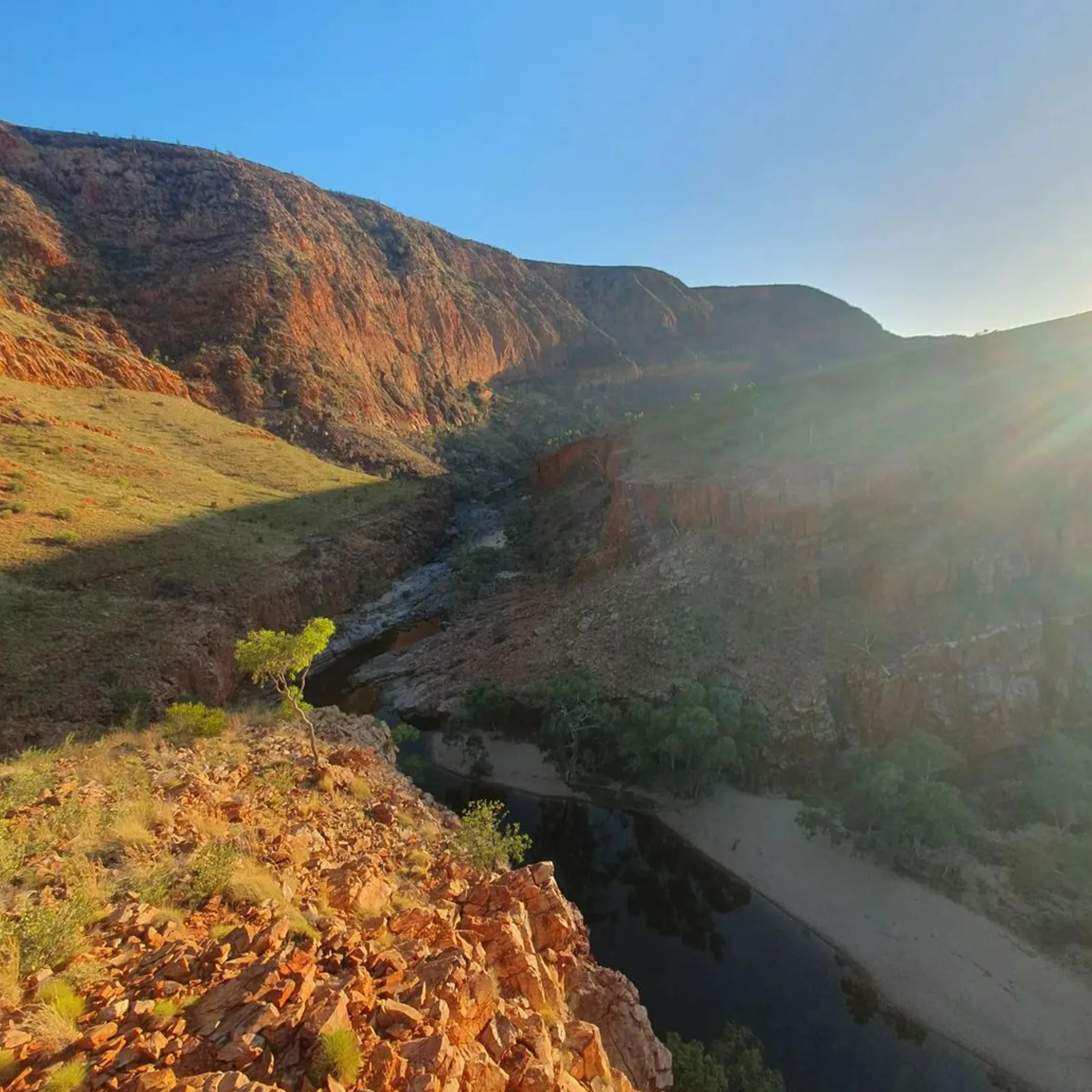
Visitors have a tendency to underestimate the heat. By midday a walk that was no trouble at 7 am can be a trial, especially on open rock with nowhere to get out of the sun. Fitness is no protection against poor planning when it comes to heatstroke.
See what the Bureau of Meteorology has to say and the official visitor information for Uluru-Kata Tjuta National Park. If a sign says a place is closed, regard it as safety advice and nothing more.
Water And Remote Tracks
On an unfamiliar or exposed route put more water in your pack than you think you will need. Do not count on a tank or swimming hole in a gorge unless you have confirmation it is safe and there. They can be empty, untreated or seasonal.
Let someone know where you are going and when to expect you. Out in the country a satellite messenger is of more use than a phone once you are past town reception. Have your maps downloaded and a paper copy in a waterproof sleeve as backup.
Wildlife And Natural Hazards
Top End waterways are to be approached with an eye for crocodiles and the posted signs on access and swimming heeded. Do not take a placid pool at face value and think it is safe. As for the bush bargain of snakes, ants and mosquitoes, one has to put up with them; the flies in particular will make a point of being part of your acquaintance.
Over in the Red Centre there is loose scree and rock to be wary of, as well as long tracts devoid of shade and temperatures that can turn on a dime. Hot spells may bring bushfire closures to impede access and storms will put creek crossings in a hazardous light.
Packing For Comfort
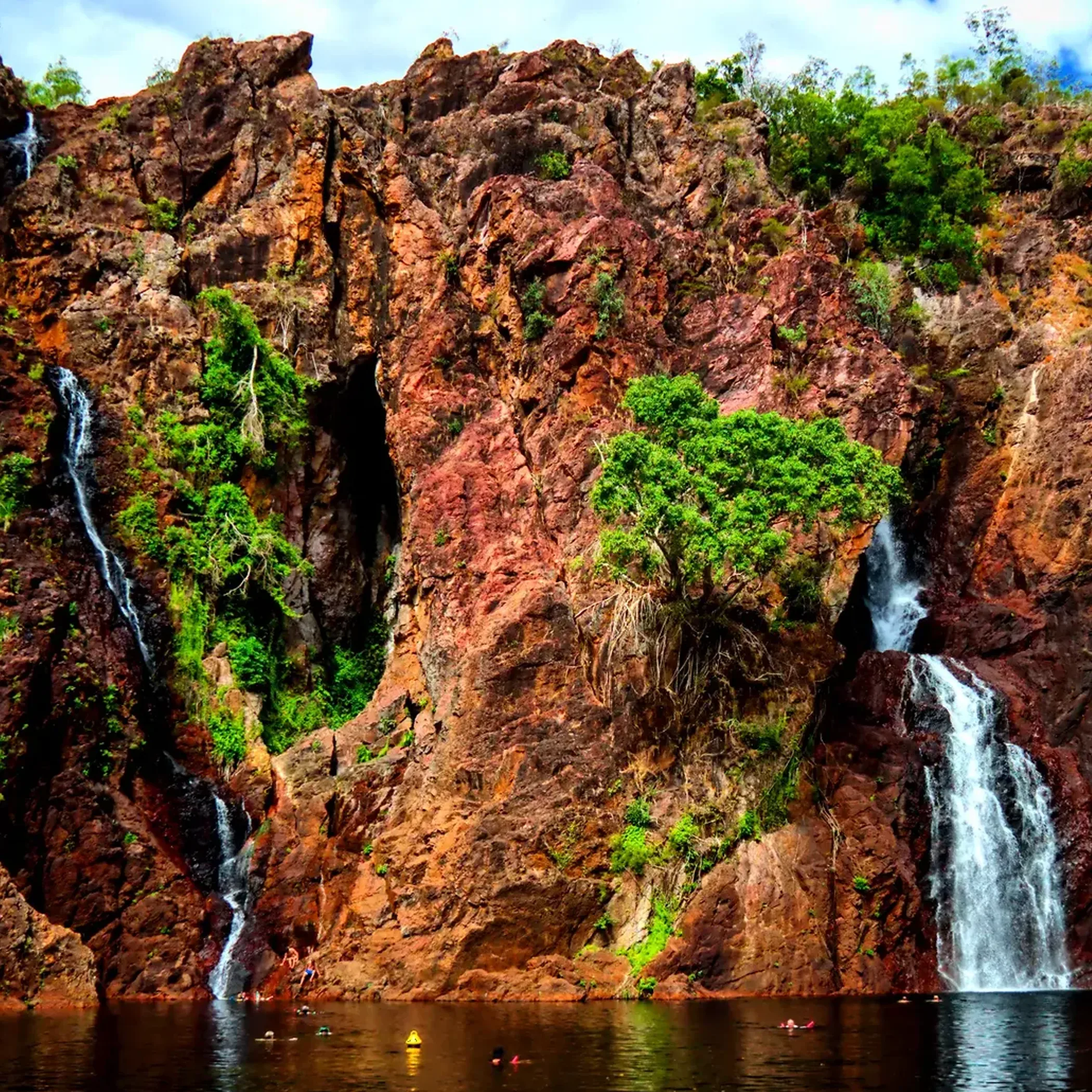
What goes in the pack is dictated by the season, how remote you are and the route itself. Sturdy footwear, sun protection and light clothing are a must in any terrain, but in the Top End you have to factor in the humidity, insects and the odd downpour.
On a day hike you want to have food, water, a hat, sunscreen, a torch, navigation tools, weather protection, a first-aid kit and a phone with a full charge. Multi-day affairs call for more: shelter appropriate to the forecast, a way to treat your water, spare rations, a satellite device and some thought given to hygiene and waste disposal.
- A good pair of sunglasses, high-protection sunscreen and a wide-brimmed hat.
- Breathable walking trousers and a lightweight long-sleeved shirt.
- Spare socks and shoes with some grip.
- First-aid and blister treatment along with any personal medication.
- An offline map and compass for when you need a backup.
- Repair tape, an emergency blanket, insect repellent and a head torch.
- More room for water if the route is hot or out of the way.
Transport And Budget
Most make of Darwin their base for the Top End; Alice Springs is where one puts in for the Red Centre. Costs for a hire car, fuel, the park fees and accommodation are subject to the season and the vehicle, so consider the budget an allowance for planning purposes. Put aside some money for a fit vehicle, for food in places other than the larger towns and for guided activities. A self-guided day hike is cheaper than a four-wheel-drive transfer or a multi-day guided walk, yet the latter is often the wiser choice in the back country.
Before setting off, see if a permit, camping booking, park pass or approval for Aboriginal land is in order. Fees and conditions are prone to change after some bad weather or work on the infrastructure.
Reality Check
You might expect the dry season to yield perfect walking weather. In reality it does little for the humidity and the sun remains unforgiving and the better sites are crowded. A short distance is no guarantee of an easy time; the heat and the rocks and getting back will put in the work. And while wet-season rain is supposed to put some colour in the landscape, lightning and flooding have a way of putting an end to the walk.
One sees it with tour operators: people who have a road trip in the Northern Territory mapped out to the hour and allow for nothing. Make some time over. The bush has no time for your spreadsheet.
Frequently Asked Questions
When is the best season for a hike?
In NT the dry season is normally best, June to August. You will find the going easier in the Top End and Red Centre these months, but do not neglect to check the local forecasts, water and any closures.
The Larapinta Trail?
May to September is the time for it, cooler in the middle of that period. Water, transport from trailhead to trailhead, camping and emergency communication all require forethought.
Which gadgets are worth having?
Reliable water-treatment gear, a power bank, head torch, satellite messenger and an offline GPS map. They are aids to good planning, not a substitute for sound judgement or your own navigational ability.
Australia’s most famous hike?
There are the likes of the Overland Track and the Bondi to Coogee coastal walk. The Larapinta is perhaps the best known of the long-distance desert walks, though “most famous” is a matter of whether you are talking visitor numbers, scenery or length.
Is the wet season hiked?
Where the tracks are open and the conditions allow. But you have to be flexible and heed any warnings about crocs or lightning, and keep an eye on rainfall. Most would say the dry season is more to their liking.
Make Your Plans
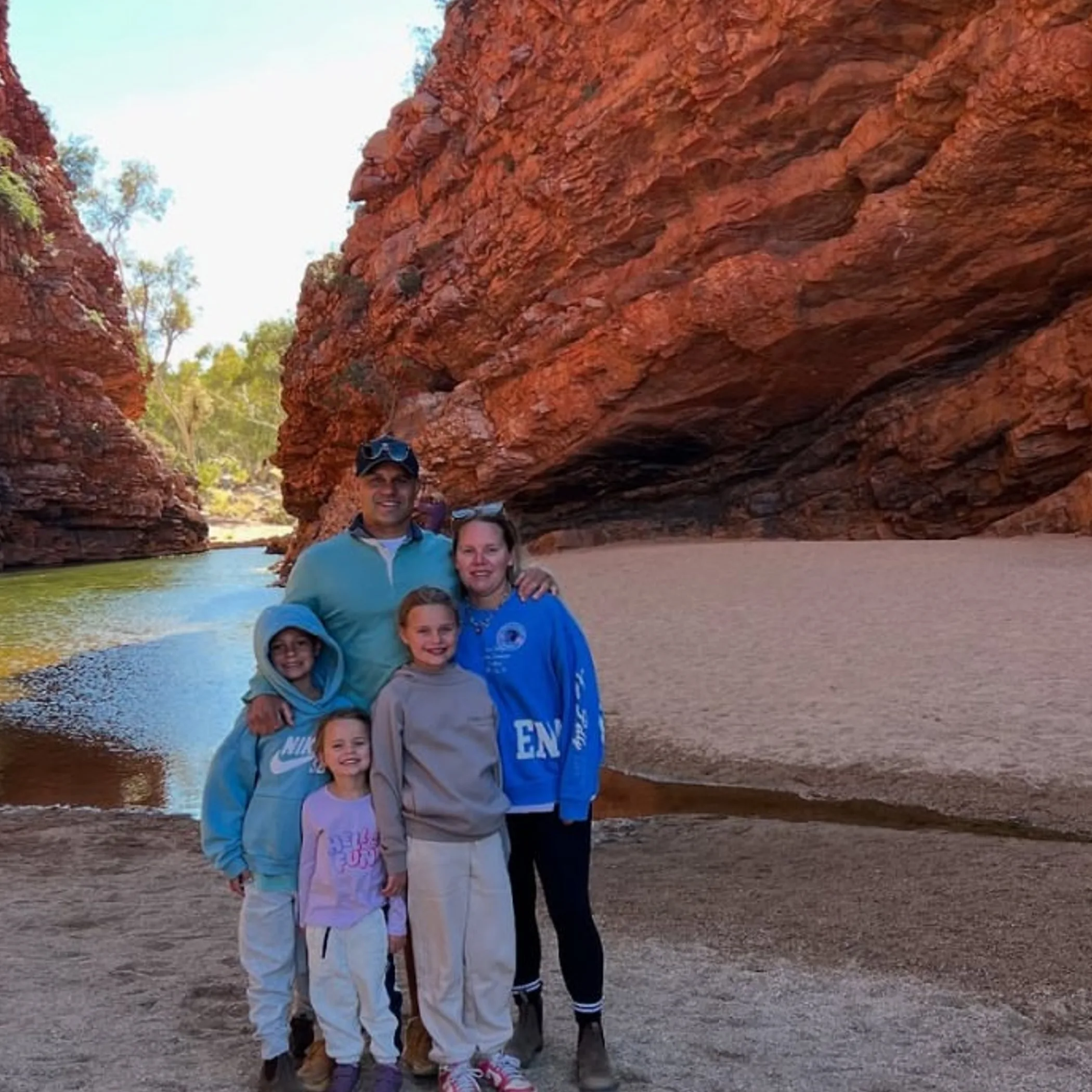
From May to October the dry, cool weather makes for the best hiking in the Territory, and many a traveller will put his money on June to August as the safest option. Go to the Top End for the tropical waterfalls and landscapes, or to the Red Centre for clear skies and a long desert walk.
Have your water, get an early start and be prepared to alter course. Leave the dehydrated wondering at a locked gate and what manner of tactics the mozzies have been taught to a well-planned hike that leaves you with a bit of a smugness and the warmth of the sun.
