You will find the weather on an Australian island in 2026 to be a matter of where you are; tropical islands in the north will put up with heat and humidity and the threat of cyclones, whereas the south is apt for cooler climes, stronger winds and less predictable seas. The Bureau of Meteorology does not issue a one-size-fits-all national forecast for the islands, so it is incumbent on the traveller to consult their warnings and outlooks and see how they fit with the month and activities at hand.
We have put together this guide to the 2026 island weather forecast in no uncertain terms. You will find information on rainfall and sea surface temperatures, as well as the sort of practicalities that tend to catch people unawares. I am Aurelia Smith from Melbourne. One learns here that a fine morning can develop into a four-season day before you have had lunch; the islands are not dissimilar, except there are fewer shops, phone service is more of a patchwork and the mozzies are more prone to take offence.
What follows is intended as a planning aid for 6 October 2026. Do not mistake a seasonal forecast for a guarantee of conditions. Before you leave, make sure to look over any access notices, local park info and current marine or other warnings.
Regional Island Weather
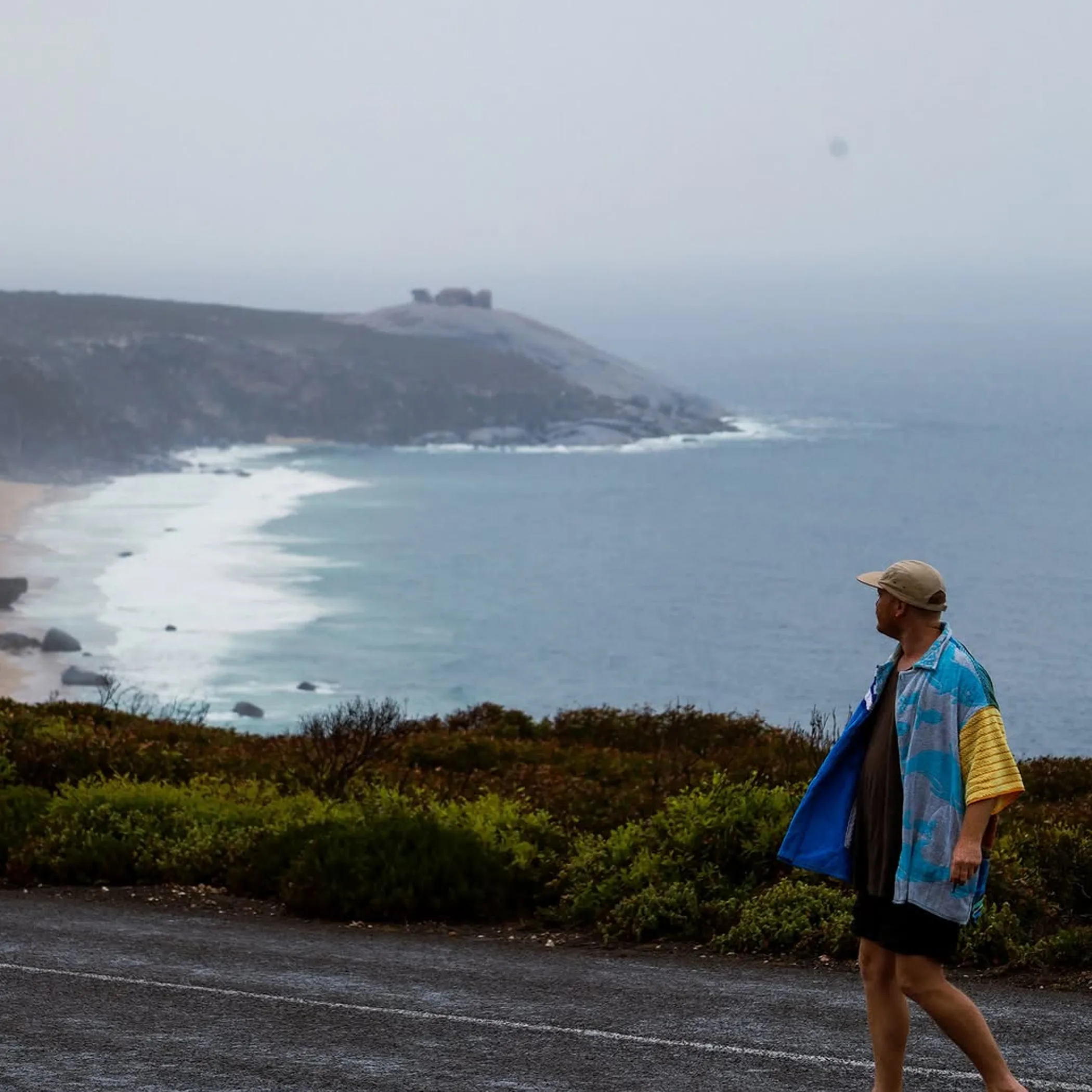
It is hard to be prescriptive about “island weather” when Australia’s islands range from the Top End to the Southern Ocean. In the course of a week the Tiwi Islands could be hot and wet and King Island cool, damp and windy. For broader context, see this Australia US island weather comparison.
A long-range forecast is of some use for general purposes but will not inform you if a ferry is going to make a rough afternoon crossing or if a walking track has been shut down by rain. What you need is a good read on the transport route, the activity, the dates and the island itself.
Forecast Guide By Region
| Region | Typical 2026 planning concern | What Travellers Should Watch | Best Practical Approach |
|---|---|---|---|
| Northern islands | Wet-season rain, humidity, heat and the risk of a tropical cyclone | Cyclone alerts, humidity, creek crossings and the rainfall outlook | Have some flexibility in your schedule. Take sun protection, insect repellent and water. |
| Eastern islands | Variable seas, coastal showers and warm weather | Bursts of rain, minimums and what the sea is doing | Book activities you can cancel and do not be too rigid with boat transfers. |
| Southern islands | Rapid changes, strong wind and the cold | Swell, wind warnings and the state of the tracks | Waterproof layers are a must and give yourself time for a walk in the open. |
| Western islands | The sun is strong, waters run warmer than average and the rain is shifting | Wind, swell and sea surface temperatures | Do not suppose the dry season is devoid of clouds; check the marine forecast. |
2026 Climate Drivers
There are climate drivers that account for why a season may be on the wetter or drier side. They are a help in picking a travel window but no substitute for common sense when the sky looks like a bruise, or for a seven-day forecast and marine warning.
ENSO, the Indian Ocean Dipole, regional pressure and sea surface temperatures are the principal indicators. How they play out on an island is not the same as in Sydney or inland.
Take the Seasonal Signals on Board
El Niño makes headlines for its ability to alter temperature and rainfall patterns in Australia but it does not affect all regions alike. A forecast of ENSO-neutral is not a promise of uneventful weather, only that the Pacific is not showing a marked preference for El Niño or La Niña.
Then there is the Indian Ocean Dipole which can drive moisture our way. A positive phase might mean drier times in some places, a negative one more moisture. These are broad relationships, not an assurance for your barbecue or the ferry.
As for the Niño3.4 values used to gauge the Pacific, there is no call for a traveller to commit the index to memory. Look to the Bureau of Meteorology seasonal outlook to see if there is a shift in the odds of below-average rainfall or above-average temperatures at your destination.
Seasons in the North
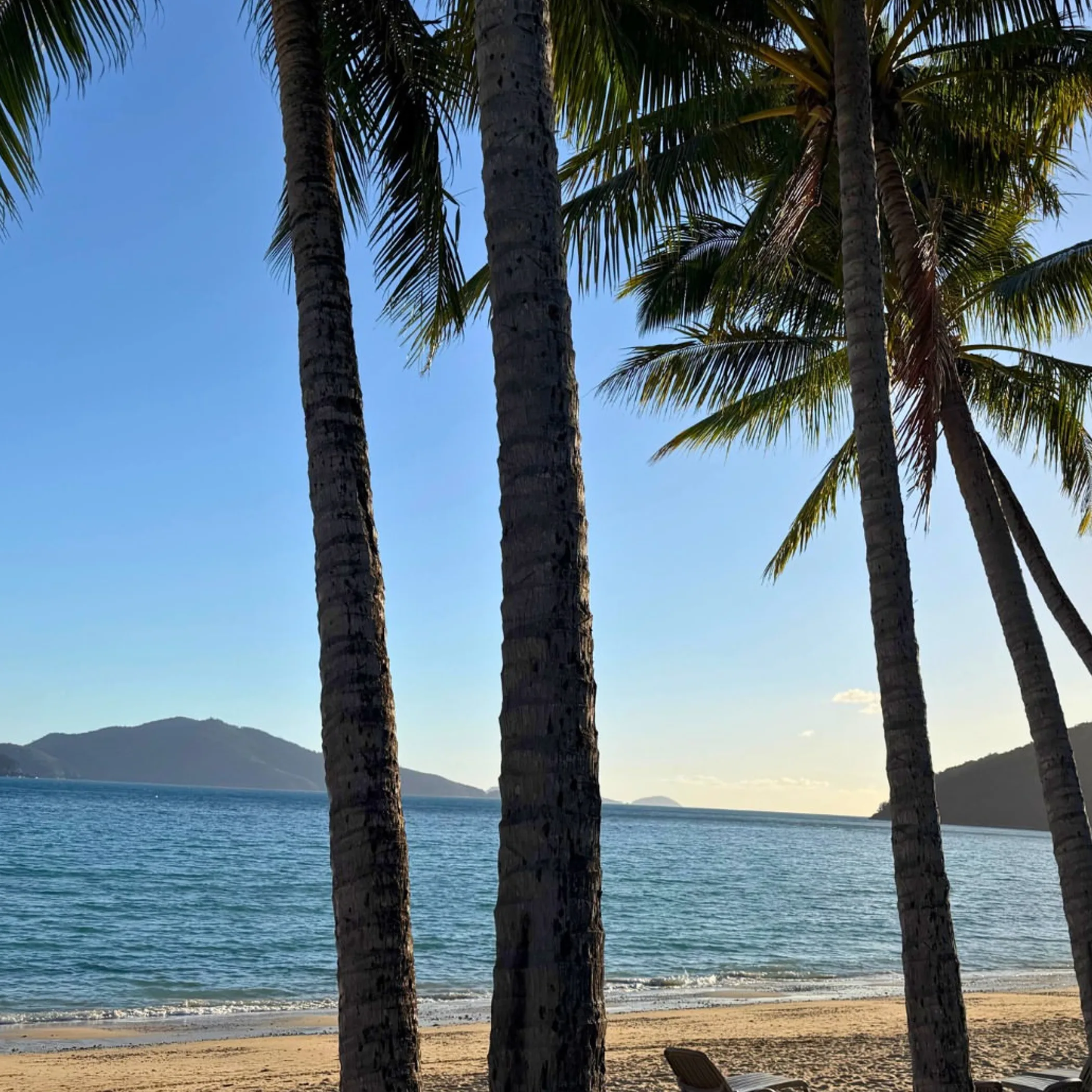
In the northern Western Australia and Top End islands the rhythm is dictated by the wet and dry seasons. The former is no place for outdoor travel with its lightning, flooded tracks and sultry nights and the ever present possibility of a cyclone. The dry season is more accommodating, though still exposed and hot. Any plans for 2026 in the spring and summer must give due consideration to the heat, humidity and what tropical weather can put one through. Then there is the matter of northern cyclone alerts from November through April; do not be fooled by a brochure calling it “shoulder season” into thinking the weather will conform to such a neat schedule.
Rain, Heat And Cyclones
You might have to contend with a day of unrelenting wet or a brief but violent downpour. It is something to take into account if your route involves an unsealed track, a creek crossing on foot, or you are in a tinnie or small aircraft. Before you go, put it to the local operators to see if access has been affected of late by rain.
Timing is dictated by the heat as well. Make an early start of any walks and steer clear of being out in the open midday, and take on more water than seems necessary. The thermometer may not read extreme but in the humidity the body will stay hot since sweat is not always going to evaporate.
Do not consider crocs, stingers and mosquitoes a mere afterthought. Heed the signs at waterways and whatever advice is given for swimming. An empty beach does not make it safe to swim. Even in the dry season there are days that are hot under a hard sun and subject to storms without notice.
Top End Travel Logistics
There is no uniformity of access. Scheduled flights will get you to some islands, others are a question of ferries or charters and still others are Aboriginal land where permission is needed. The Stuart Highway will bring you to the Top End but not over the water, so have your return transport, landing and permits in order before you make the trip.
With only a day to spare, stick to a guided activity near where you arrive and be liberal with the time allowed for the return. Do not plan an island day around the last ferry or flight. A mechanical problem or a bit of weather can make a very costly night of it when a well laid out itinerary has to be reworked.
Manage Eastern Island Conditions
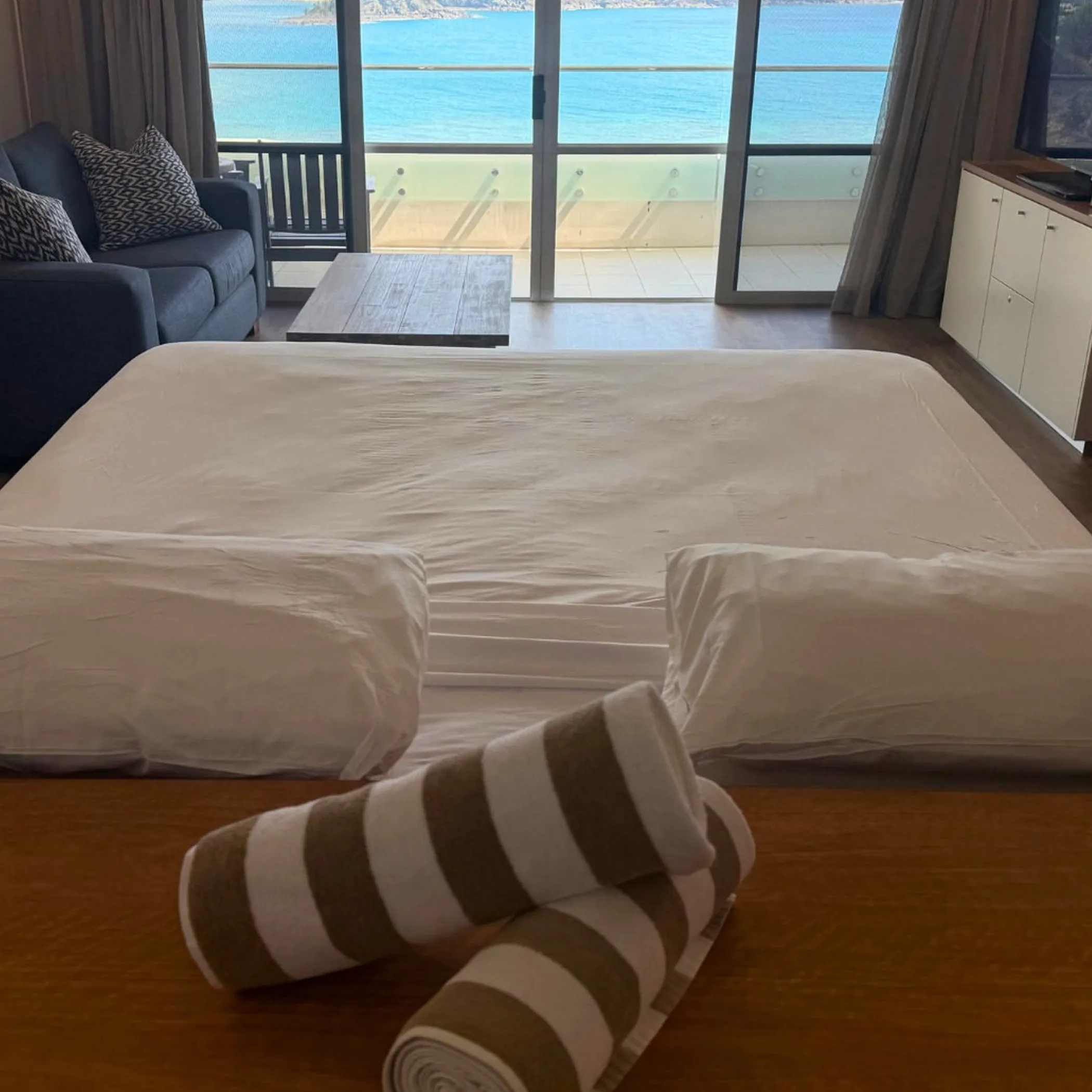
The eastern Australian islands have their appeal but the coast can change in a hurry. Queensland’s islands can be showery and humid, whereas Lord Howe and Norfolk will have their share of strong winds, fast fronts and cooler nights.
When looking at the 2026 forecast for an eastern spot in Australia, also check marine conditions. A bright forecast is no protection against a rip current or swell, nor does a placid beach mean the crossing will be.
Temperatures And Rainfall
A traveller from Melbourne will find the contrast jarring; one puts on a jacket to leave and is in sandals on arrival, then a raincoat is called for before dinner. I have been guilty of the error of packing light on the strength of a warm forecast. In the end my interpretation was at fault, not the numbers.
Those wanting a single figure for an Australia 2026 temperature forecast will not find it on the islands. One has to factor in the wind, cloud cover, water and minimums to know how a day will be. Some of the east coast will be uncomfortable with the moisture from warmer waters, but it is all down to local systems. Rain can be patchy enough to leave one side of an island in use while the other is soaked. A light waterproof is worth having even if the outlook is good.
Boats, Beaches And Backups
Put off major excursions on the water until later if you can; exposed routes are at the mercy of the afternoon showers and wind. Have a backup of sorts, be it a museum or a short walk. You will be in better spirits about an altered plan if you have one.
Before you head out for a rock platform, to fish or snorkel, look at the tides. Put on shoes with some grip and do not try to out run a rising tide. Should the sea be rough and the operator put a stop to it, accept it. There is no virtue in ignoring a warning sign and no holiday is made better for it.
Prepare For Southern Island Weather
In the south and southeast the challenges are of another kind: visibility can be fleeting and there are lower temperatures to deal with. King and Flinders in Tasmania and the islands off Victoria and South Australia will seem exposed come a fine spell.
More than is expected, the season will determine your comfort. A morning that is cool becomes agreeable in the sun and then quite cold with the wind. Muddy tracks and the need to put in for shelter will add to your walking time.
Cold, Wind And Track Safety
There is more to be had from a few well chosen layers than a single heavy jacket. Make do with a windproof layer, something warm for the middle, a waterproof shell and good footwear; they will serve you better than a suitcase of outfits put together in the hope of fine weather. And when travelling on an open boat, stow your electronics and any spare clothes in a bag that will keep the water out.
Do not let distance be the sole arbiter of how hard a trek will be. A coastal track of short duration can be trying if it is steep or exposed and underfoot is slippery. Some of the routes on the southern islands are no place for a novice, one with mobility issues or who has little experience in navigation. Put in some time to enquire as to the surface, gradients, where there is parking or a toilet and what your return options are before setting off.
In summer the southern and southeastern islands are subject to bushfire closures. See what the park alerts say on access conditions prior to making the drive to the trailhead. One does not take a closed track as licence to putter through the bush on an unofficial path.
Western Island Patterns
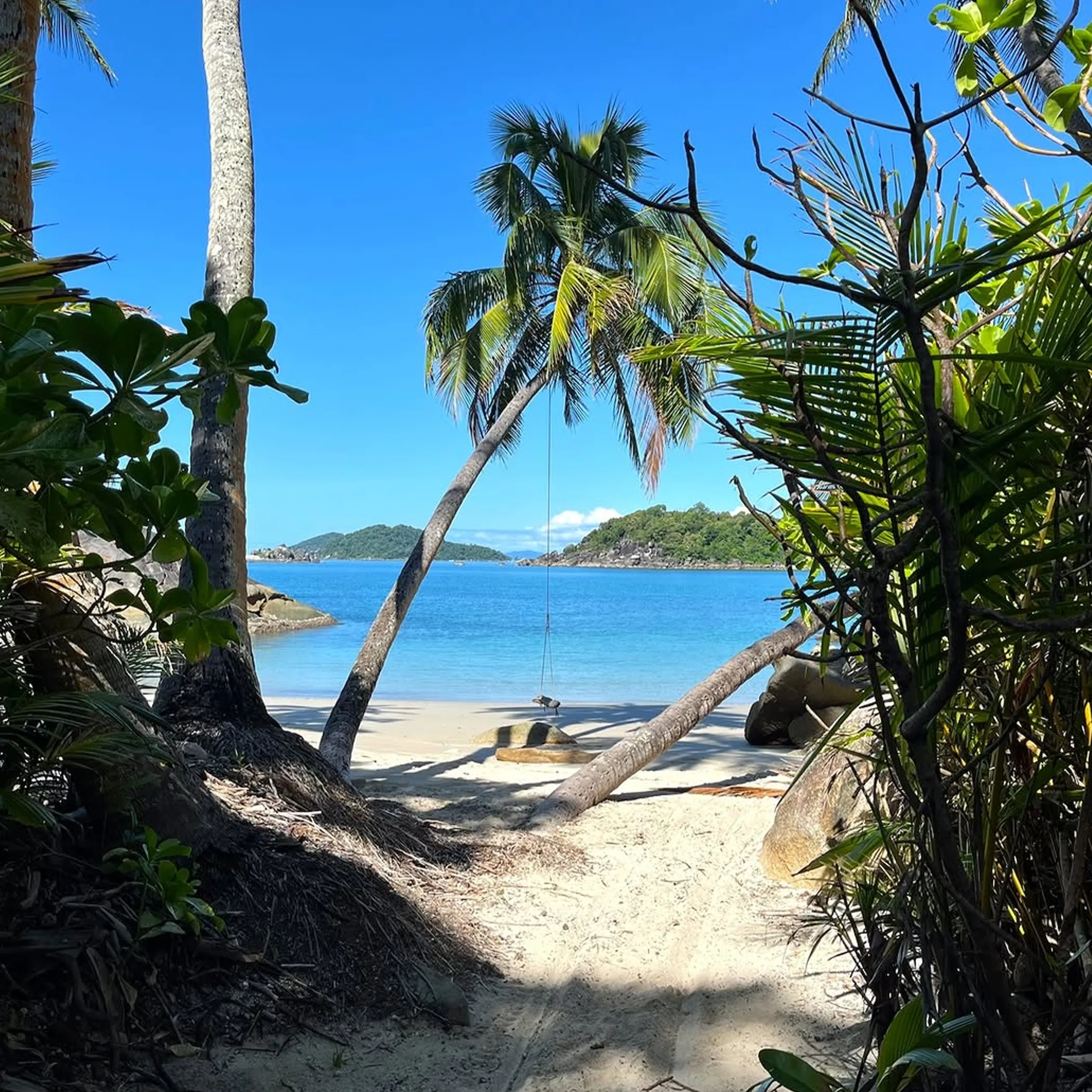
The ocean exerts its influence on the Western Australian islands in the form of wind, swell and sea surface temperatures. Rottnest is but a stone’s throw from Perth yet once the afternoon sea breeze makes itself felt it is quite unlike the mainland. To the north and west of the Pilbara and Kimberley the heat can be intense, as can the tropical systems and seasonal rain. The Gibb River Road is hardly an island route but it is instructive in showing that regional access is as much a factor as the forecast.
Sun, Wind And Water
Australia travellers might look at the 2026 rainfall figures and see a seasonal pattern, but isolated heavy showers are still possible on the western islands. Temperatures above average are not a guarantee of record breaking days, nor does below-average rainfall preclude it altogether.
For fishing, swimming or boating consult the marine forecast. A pleasant air temperature does not stop the wind from making a chop of things. There is not much shade to be found on an exposed beach so make allowances for rest, put on some shoulder cover and have water to hand. A sunburnt traveller makes for a bad navigator and worse company at dinner.
Be realistic about transport. Getting to a remote island could mean a charter, a permit, a four-wheel-drive or a guide. At a ferry terminal there is the matter of check-in, lugging luggage and finding a parking spot. Know when the last service back is and have a contingency for inclement weather.
Long-Range Forecasts
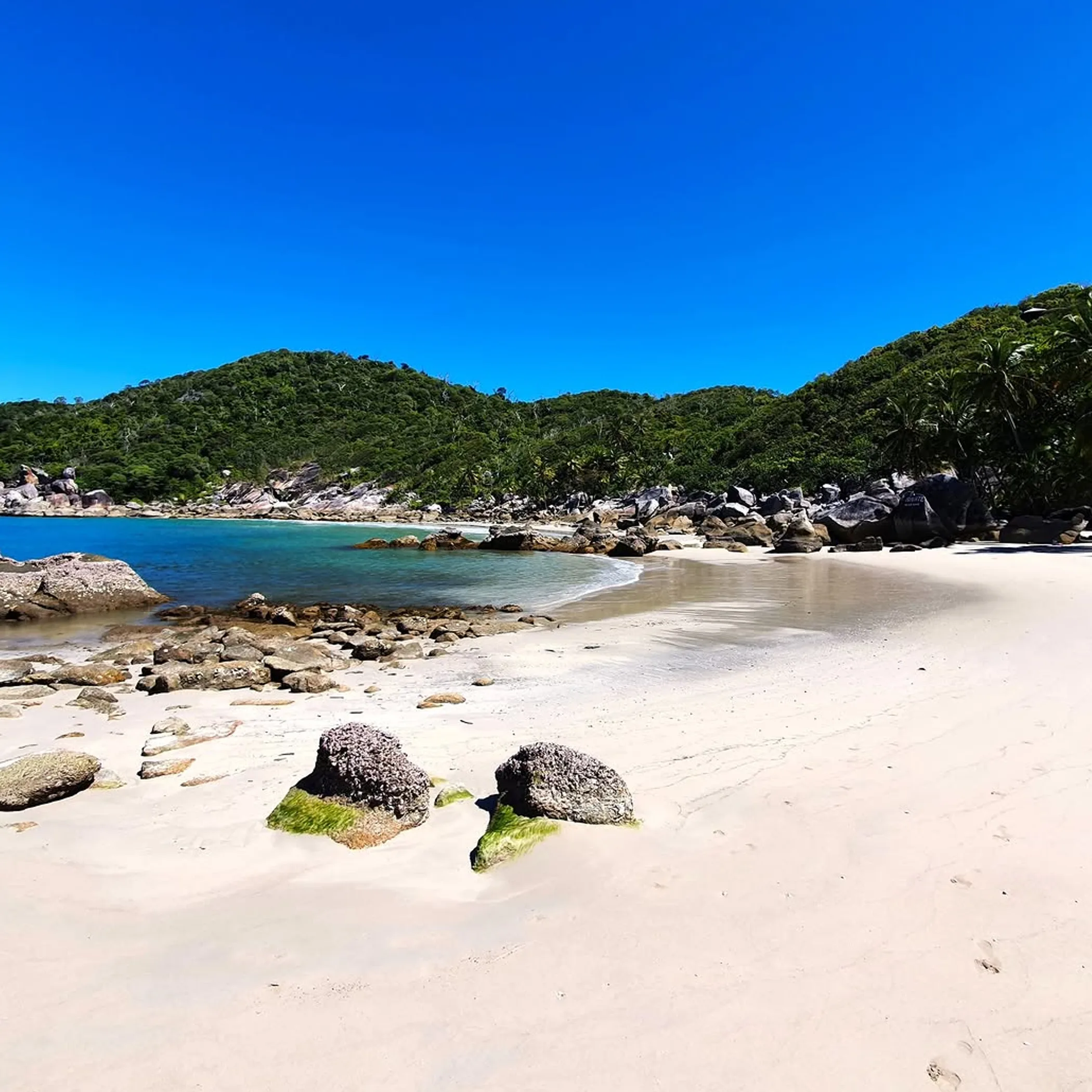
A 28 day forecast found online for Australia may give some idea of trends but the further out one looks the less confidence there is in it. Do not put stock in detailed predictions for the distant future as though they were set in stone. The same goes for a seasonal climate outlook; while it is of value in telling you if it is likely to be warmer or wetter over a wide span, it is no assurance for the date of an island barbecue and will not foretell a particular storm months in advance.
Probability Versus Certainty
People are wont to misread the probabilities. A 60% chance of above average rain is not a prediction of 60% of the trip being rained out; the system is simply saying there is a higher probability of it exceeding the historical mark than not. Nor is a 40% chance of rain an indication of an all day soaking. It is a matter of location, measurement and time window that may not reflect what is happening on the ground. Take in the region and confidence of the period as a whole.
The Bureau of Meteorology is where one should go for official marine data, warnings and the seasonal outlooks for Australia. Have a look at the Bureau’s outlooks before parting with money on non-refundable activities and again for local warnings on the eve of departure.
Expectation Versus Reality
It is easy to expect a dry-season visit to be nothing but sunshine. In reality there is wind, smoke, cloud, the odd bit of rain or a boat that does not run. You may think a warmer month is by default the best, but it comes down to the wildlife, track access and whether you can stand the humidity. Or to assume an offshore forecast is a neat copy of the mainland. An island has its own constraints and rain shadows. You can put the local numbers up against the nearest city but do not use Sydney or Melbourne in lieu of the destination.
Compare Australia And US Islands
An Australia US island weather comparison has its uses in planning an overseas option, provided one is careful with the categories. From the Southern Ocean to tropical climes, Australia’s islands are as varied in weather as those of the United States which range from Alaska and Hawaii to the Caribbean.
What one should do is put it to a practical test: look at the latitude, the ocean exposure, transport infrastructure and rainfall, as well as any risk of cyclones or hurricanes and water temperatures. Do not be taken in by a map that looks warm; it will not inform you on wind and humidity, sea states or if the ferry back is running after dark.
Weather And The Traveller
Families will want an island where there is reliable access, short walks, medical services on hand and some shelter for a swim. An experienced hiker might put up with exposed tracks and less certain transport in exchange for quiet. Those making their first foray to an island would be wise to go where permits are straightforward and operators are established, so there is more than one option if the day is dictated by the weather.
Humidity can be off-putting, so give northern wet-season travel some thought. For people who do not take kindly to the cold or wind, southern islands are no comfort save in the milder months. If heat is a medical concern, professional advice is called for along with adequate documentation, water and medication.
Some 2026 Travel Questions Answered
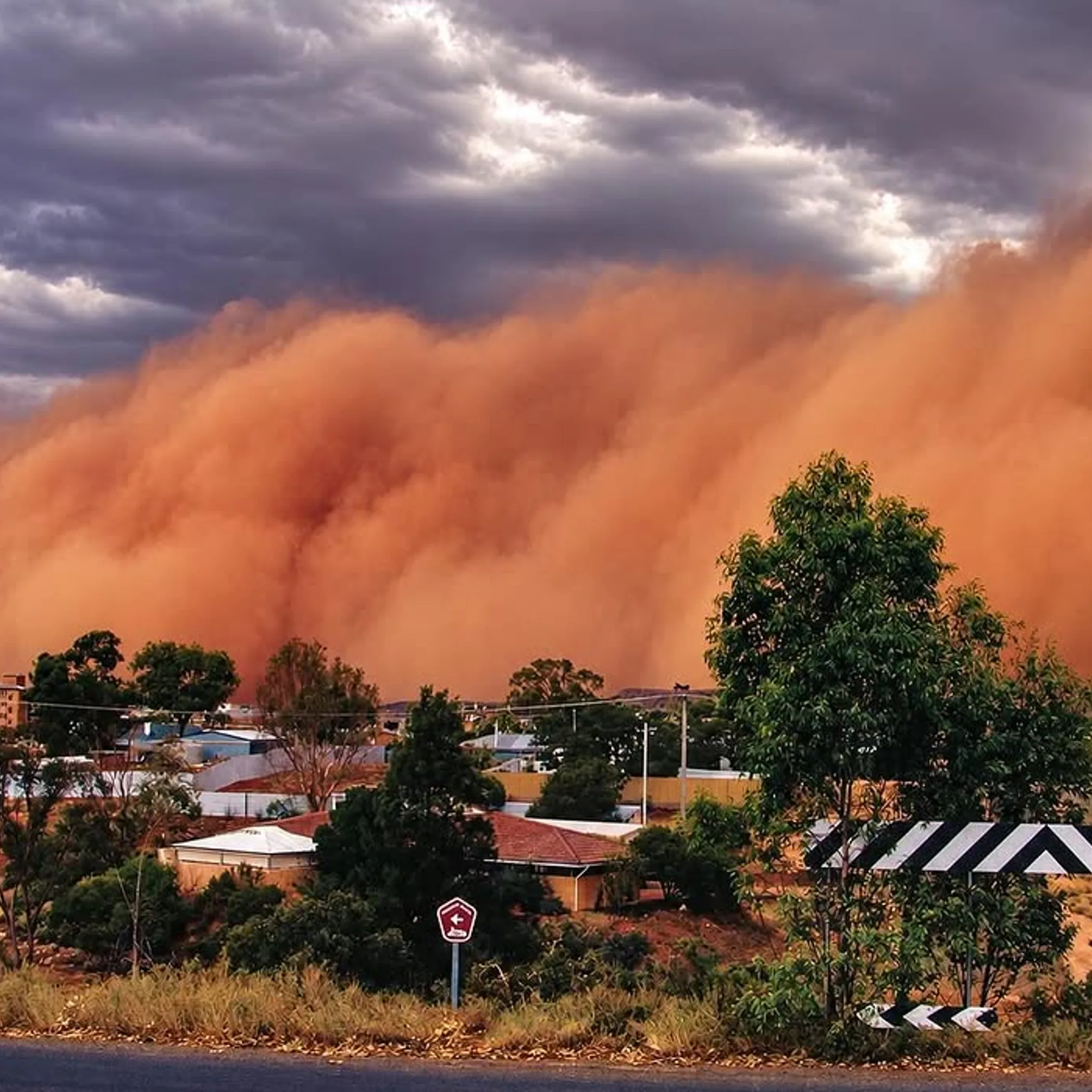
You will come across these in your planning for 2026. While the official outlook for any given island is what matters, the following principles will keep you from the usual pitfalls.
Australia in 2026: A Wet Year?
Not all of Australia’s islands can be lumped into a wet or dry category. Rainfall in the north, east, south and west can be at odds with one another and seasonal probabilities are subject to change with the Indian Ocean Dipole and ENSO. Rely on the regional outlook for the island in question, not a national generalisation.
Hot year predicted for 2026?
Temperatures may run above average in places but that is not to say every day will be so. One should check the maximums and minimums as well as the water and wind for the island to be visited. Even when the seasonal average is only marginally high, heat safety is important.
Melbourne and a hot 2026 summer?
The Bureau of Meteorology has the latest outlook and shorter-range forecast for Melbourne’s summer. A warmer tendency does not preclude rain, heatwaves or a cool, windy day. Do not expect the island destination to mirror the city.
Is summer 2026 to be hot?
In parts of Australia it could be, but it is a matter of regional probability. In the case of the northern islands there is the tropical cyclone season to consider as well as heavy rain and humidity. Make sure to review warnings and the outlook for the particular island before you depart.
Can you trust an island forecast months out?
For a broad sense of temperature and rainfall tendencies they have their uses, but they will not vouch for a beach day or a ferry crossing that far ahead. Time your visit with the seasonal information and leave itinerary details to the seven-day forecast; same-day warnings are for your safety.
A Practical Way To Go About It
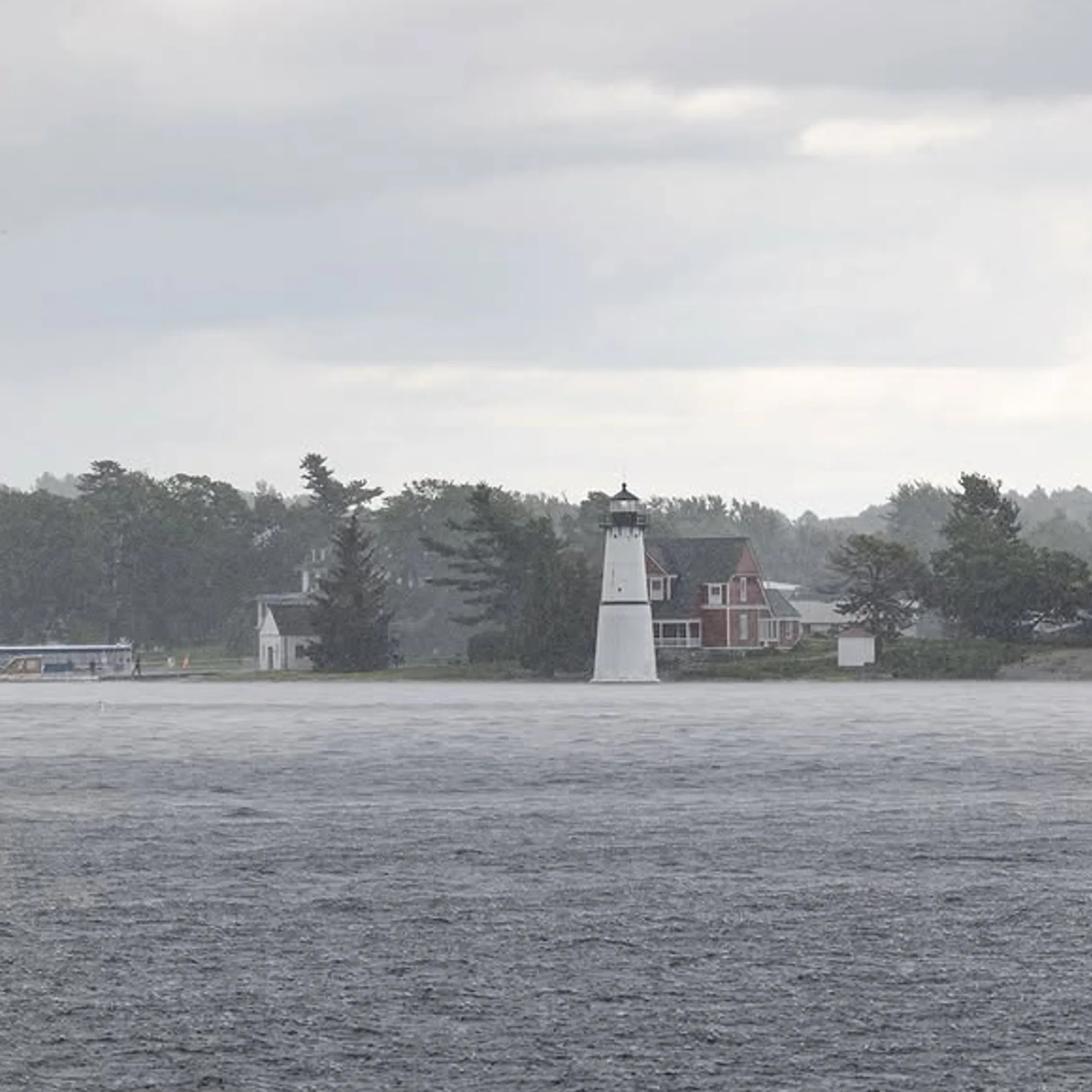
An Australian island climate outlook is best used in conjunction with a local forecast and what the park or transport operator has to say. That is how to make a sensible plan without expecting the weather to oblige.
Run through this before you head out:
- Make sure you have seen the island and marine forecasts, any park alerts and warnings.
- Put in order your permits and Aboriginal land access, and verify ferry or flight times including the last return service.
- Have your sun protection, insect repellent, layers, waterproof storage, water and necessary medication packed.
- Look at tides and the state of the track for any coastal walking or swimming.
- If remote roads or boats are part of the equation, allow for a contingency or a spare day.
One Day Only
Get to your priority activity near where you arrive and do it early, leaving the afternoon open. Factor in time for the return, luggage, parking and any delays the weather might bring. On an unfamiliar or exposed route a guide is often the better and safer course of action than attempting to fit in three stops.
Preparation is its own reward on Australian islands where conditions have a way of outpacing the timetable. Plan on the weather you are likely to encounter and not just what you fancy, and the trip will be all the better for it even when the forecast puts on a show.
